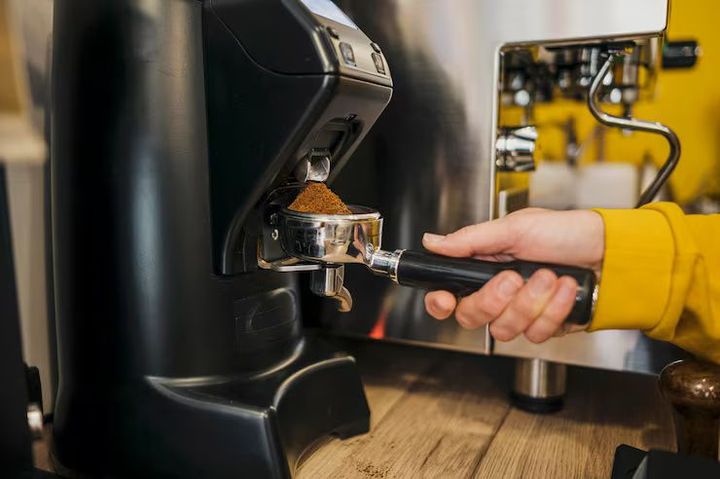
Coffee Roasting Explained With Roast Levels Cooling Methods and Flavor Benefits
Coffee roasting machines are specialized equipment designed to transform green coffee beans into roasted coffee through controlled heating processes. During roasting, coffee beans undergo physical and chemical changes that develop aroma, flavor, body, and color characteristics used in brewing. Modern roasting machines help regulate temperature, airflow, roasting duration, and cooling methods to improve flavor consistency and roasting precision. These machines are used in homes, cafés, specialty coffee businesses, and large-scale commercial production environments.
Globally, coffee culture continues evolving as consumers increasingly focus on freshness, roast transparency, and specialty brewing experiences. According to global coffee industry research, interest in personalized roasting and small-batch coffee production has expanded significantly across home brewing and commercial café environments. This reflects the broader shift toward premium beverage experiences and greater awareness of flavor development methods.
In practical applications, coffee roasting machines support roast experimentation, flavor consistency, and controlled bean development. Different machines vary in roasting capacity, automation level, heating system, and cooling efficiency depending on operational goals and experience level. Understanding how coffee roasting machines function helps coffee enthusiasts and professionals compare equipment more effectively and improve brewing quality through better roast management.
Who It Affects & Problems It Solves
Coffee roasting machines affect a wide global audience, including home brewers, café owners, coffee enthusiasts, specialty roasters, beverage manufacturers, and hospitality businesses. Roasting professionals and baristas also rely on controlled roasting systems to maintain flavor consistency and improve brewing performance.
Without reliable roasting equipment, coffee beans may develop uneven roast profiles, inconsistent flavor balance, excessive bitterness, or reduced aroma quality. Manual roasting methods may also make it difficult to repeat the same flavor profile across multiple batches. Coffee roasting machines help solve these challenges by improving heat management and airflow consistency during the roasting process.
A common scenario involves coffee enthusiasts purchasing pre-roasted beans that lose freshness before brewing. Over time, reduced freshness may affect flavor clarity and aroma intensity. Coffee roasting machines allow users to roast smaller batches more frequently, helping improve freshness and flavor control. These practical advantages naturally lead into recent developments shaping coffee roasting technology and specialty beverage trends.
Recent Updates
Over the past year, coffee roasting machine technologies have evolved significantly through improved automation and digital roast monitoring systems. Modern roasters increasingly use programmable temperature controls, automated roast profiling, and airflow adjustment technologies to improve consistency and flavor repeatability.
Another important trend is the growing popularity of compact home roasting systems. Smaller electric and air roasters are increasingly used by coffee enthusiasts seeking personalized roast experimentation and fresher coffee preparation experiences.
Energy-efficient roasting systems and lower-emission roasting technologies have also become more common. Manufacturers are increasingly developing electric roasting systems and advanced ventilation designs suitable for modern cafés and indoor operational environments.
Additionally, specialty coffee communities continue emphasizing roast transparency and origin-specific flavor profiles. Roasters increasingly focus on preserving unique flavor notes through carefully controlled roasting curves and rapid cooling methods. These developments provide useful context for comparing common coffee roasting machine types and operational features.
Comparison Table
The table below compares common coffee roasting machine types based on roasting functionality and operational characteristics.
| Coffee Roasting Machine Type | Main Function | Common User Type | Automation Level | Operational Benefit |
|---|---|---|---|---|
| Air Roasters | Hot air bean roasting | Home users | Moderate to high | Cleaner roasting process |
| Drum Roasters | Rotating heat-based roasting | Cafés and specialty roasters | Moderate | Rich flavor development |
| Electric Roasters | Electric heating system | Home and small cafés | Moderate | Easier indoor operation |
| Gas Drum Roasters | Gas-powered roasting | Commercial roasting operations | Moderate to high | Strong roast customization |
| Sample Roasters | Small-batch testing | Professional roasters | Moderate | Roast experimentation |
| Commercial Roasting Systems | Large-scale production | Industrial coffee businesses | High | Continuous roasting efficiency |
| Smart Roasting Machines | Digital roast automation | Specialty coffee users | Very high | Improved roast consistency |
| Portable Coffee Roasters | Compact roasting setup | Travelers and hobbyists | Moderate | Easy transportation |
| Hybrid Roasting Systems | Mixed heat management | Advanced roasting operations | High | Greater roasting flexibility |
| Ventless Roasters | Reduced smoke operation | Indoor cafés and offices | High | Improved ventilation management |
The comparison shows that different roasting machines support different operational goals, from home experimentation and specialty brewing to large-scale commercial production. Matching roasting technology with roasting style and production needs often helps improve flavor consistency and workflow efficiency. Understanding these distinctions naturally leads into practical guidance and roasting considerations.
Regulations & Practical Guidance
In many countries, coffee roasting equipment and beverage preparation operations are encouraged to follow food safety, ventilation management, and equipment maintenance practices. These standards generally focus on roasting consistency, operational cleanliness, and safe heat management within beverage production environments.
Globally, coffee enthusiasts and roasting professionals increasingly prioritize roast transparency, freshness management, and controlled flavor development when selecting roasting systems. Roasting environment, airflow management, and cooling efficiency often influence flavor quality and long-term equipment performance.
Another important consideration is ventilation and smoke management. Coffee roasting naturally produces smoke and chaff during bean development, making proper airflow systems and roasting area planning important for both home and commercial operations.
Which Option Suits Your Situation?
For beginners and home coffee enthusiasts seeking simple operation and compact design, air roasters and electric coffee roasting machines may provide easier roasting experiences and reduced maintenance requirements.
For specialty coffee enthusiasts focused on roast experimentation and deeper flavor development, drum roasters and gas-powered systems may support stronger roast customization and flavor complexity.
For cafés and small roasting businesses requiring higher batch consistency and operational scalability, smart roasting machines and commercial roasting systems may improve production efficiency and workflow organization.
For indoor roasting environments with limited ventilation capacity, ventless roasting systems and compact electric roasters may provide improved smoke management and operational flexibility. Choosing the right roasting machine depends on roasting volume, flavor goals, experience level, and operational environment. These considerations naturally lead into useful tools and resources.
Tools & Resources
Several tools and resources can help individuals better understand coffee roasting and brewing processes effectively.
Roast Profiling Software — supports temperature tracking and roast consistency management.
Coffee Bean Storage Containers — help preserve freshness and aroma quality.
Brewing Temperature Tools — improve extraction consistency and brewing precision.
Ventilation Monitoring Systems — support safer roasting environments and airflow management.
Flavor Profiling Resources — provide information about roast characteristics and aroma development.
Coffee Enthusiast Communities — enable individuals to exchange roasting insights and brewing experiences.
These resources support informed coffee roasting decisions and flavor experimentation, leading naturally into frequently asked questions.
Frequently Asked Questions
What is a coffee roasting machine?
A coffee roasting machine is equipment designed to heat green coffee beans under controlled conditions to develop flavor, aroma, and roast characteristics used in brewing.
What are the main types of coffee roasting machines?
Common types include air roasters, drum roasters, electric roasters, gas-powered systems, commercial roasting machines, and smart automated roasting equipment.
Why is airflow important during coffee roasting?
Airflow helps regulate heat distribution, remove smoke and chaff, and improve overall roasting consistency and flavor balance.
What is a common misconception about coffee roasting?
A common misconception is that darker roasting always creates stronger flavor quality. In reality, roast preference depends on brewing style and personal taste goals.
How can beginners start learning coffee roasting?
Beginners often benefit from using compact electric or air roasters, learning basic roast levels, and experimenting with small coffee batches gradually.
Conclusion
Coffee roasting machines play an important role in supporting flavor development, roast consistency, and brewing quality within modern coffee preparation environments. Their ability to control temperature, airflow, and cooling processes helps create diverse flavor profiles suited to different brewing preferences and roasting styles.
For most users, selecting the right coffee roasting machine involves balancing roasting capacity, automation features, ventilation requirements, and flavor experimentation goals. Careful roast management and freshness planning often contribute to stronger long-term brewing consistency and coffee quality.
As specialty coffee culture and roasting technologies continue evolving globally, coffee roasting machines are expected to become more automated, energy-efficient, and focused on precision flavor development and smart roasting workflows.