Co-Living Space Rentals Explained: Learn Key Facts, Benefits, Tips, and How It Works in Today’s Market
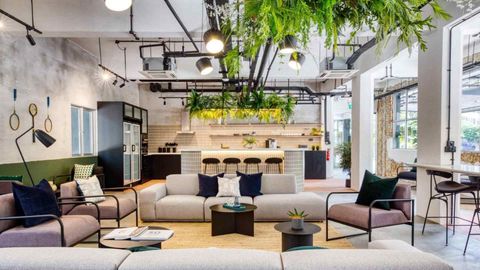
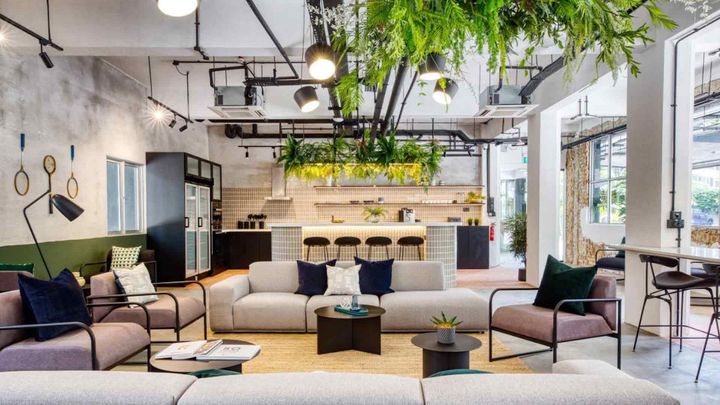
Co-living space rentals are a modern form of shared accommodation where individuals live in private rooms while sharing common areas such as kitchens, lounges, and workspaces. This housing model has developed as a response to rising urban housing demand, changing lifestyle preferences, and the need for more flexible living arrangements.
It combines elements of community living and private housing, often supported by digital platforms and smart property management systems. The concept is now widely associated with urban housing trends, flexible housing solutions, and evolving real estate investment strategies.
Context: What Co-Living Space Rentals Are and Why They Exist
Co-living space rentals are designed to simplify access to housing in urban environments where traditional renting may feel rigid or expensive. Instead of renting an entire apartment, individuals choose a private room within a shared residence.
The structure typically includes:
- Private furnished rooms
- Shared kitchens and living spaces
- Shared utilities and maintenance systems
- Community-oriented design
This model exists due to several global urban shifts:
- Increased population movement toward cities
- Growth of remote and hybrid work culture
- Demand for flexible housing solutions
- Expansion of digital leasing platforms
- Rising interest in minimalist and community-based living
Co-living also integrates modern technologies such as smart home technology and tenant management systems, improving convenience and operational efficiency.
Importance: Why Co-Living Matters Today
Co-living has become important in the context of modern housing because it addresses multiple challenges in urban real estate markets.
It affects:
- Young professionals seeking flexible housing arrangements
- Digital nomads requiring temporary but stable living spaces
- Students and researchers needing short-to-medium term accommodation
- Urban residents looking for community-based environments
Key problems it helps solve:
- Limited availability of affordable urban housing options
- High initial commitment required for traditional renting
- Social isolation in large cities
- Inefficient use of residential space
- Complexity in utility and maintenance coordination
From a real estate investment perspective, co-living models are also being studied for their efficiency in space utilization and potential to stabilize occupancy rates through shared accommodation structures.
A simplified comparison table:
| Feature | Traditional Renting | Co-Living Model |
|---|---|---|
| Space Use | Entire unit | Private room + shared areas |
| Flexibility | Limited | High flexibility |
| Community Interaction | Low | High |
| Management System | Manual or fragmented | Digitally managed |
| Setup Complexity | High | Moderate |
Recent Updates and Market Trends (Past Year Overview)
Over the past year (2025–2026), co-living space rentals have continued to evolve with new trends shaped by technology and lifestyle changes.
Key developments include:
- Increased adoption of property management software for automated maintenance tracking and communication
- Expansion of smart access systems using digital identity verification
- Growing use of AI-driven tenant matching tools to improve compatibility in shared housing environments
- Rising integration of energy-efficient systems in shared residential buildings
- Stronger focus on urban housing trends linked to remote work flexibility
Another notable trend is the increasing role of data analytics in real estate investment planning. Developers are using occupancy data, demand forecasting, and behavioral insights to design more efficient shared accommodation spaces.
Additionally, hybrid living arrangements have grown, where residents split time between co-living spaces and other residential setups depending on work requirements.
Laws and Policies Affecting Co-Living Spaces
Co-living space rentals are influenced by housing regulations that vary across regions, but several common legal and policy themes apply globally.
Key regulatory areas include:
- Residential zoning rules that determine where shared housing is permitted
- Health and safety standards for shared living environments
- Building occupancy limits based on space and infrastructure
- Tenant rights frameworks covering privacy, maintenance, and dispute resolution
- Fire safety and emergency infrastructure requirements
Many governments are also updating housing frameworks to adapt to modern shared accommodation models. These updates often aim to:
- Improve transparency in rental agreements
- Ensure safe living conditions in shared environments
- Regulate digital leasing platforms
- Support urban housing supply through flexible housing solutions
In some regions, co-living is categorized under shared residential housing, while in others it is treated as a hybrid model requiring specific compliance under multiple housing codes.
Tools and Resources for Co-Living and Shared Housing
Several digital tools and platforms support the management and experience of co-living environments.
Useful categories include:
Property Management Platforms
- Tenant coordination dashboards
- Maintenance tracking systems
- Communication automation tools
Digital Leasing Platforms
- Online agreement management systems
- Identity verification tools
- Digital document storage systems
Smart Home Technology Tools
- Smart locks and access control systems
- Energy monitoring systems
- Automated lighting and climate control tools
Urban Housing Analytics Tools
- Rental demand tracking dashboards
- Real estate investment analysis platforms
- Market trend visualization tools
Community Management Tools
- Shared calendar systems
- Group communication platforms
- Event coordination applications
These tools are widely used to improve efficiency in shared accommodation environments and enhance tenant experience through automation and structured communication.
FAQs
What is the main idea behind co-living space rentals?
It is a housing model where individuals rent private rooms while sharing common areas such as kitchens and lounges, designed for flexible and community-oriented living.
Who typically uses co-living arrangements?
It is commonly used by young professionals, students, remote workers, and individuals who prefer flexible housing solutions in urban environments.
How is co-living different from traditional renting?
Traditional renting usually involves an entire unit, while co-living focuses on shared accommodation with private personal space and shared facilities.
What role does technology play in co-living spaces?
Technology supports digital leasing platforms, smart home systems, tenant coordination, and automated maintenance tracking systems.
Is co-living a long-term housing option?
It can be used for both short-term and longer stays depending on individual needs and availability of flexible housing arrangements.
Conclusion
Co-living space rentals represent a significant shift in modern housing patterns, shaped by urbanization, digital transformation, and changing lifestyle preferences. By combining private living spaces with shared environments, this model offers a structured yet flexible approach to accommodation.
Its growing relevance is linked to advancements in real estate investment strategies, property management software, and smart home technology. As housing markets continue to evolve, co-living is expected to remain an important part of urban housing trends and flexible residential solutions.