Table of Contents

Cement Mixer Machines Explained: Components, Functions, and Complete Overview Guide

Cement Mixer Machines Explained: Components, Functions, and Complete Overview Guide

Cement mixer machines are industrial and construction equipment designed to combine cement, sand, gravel, and water into a uniform concrete mixture. The main purpose of these machines is to ensure consistency in mixing, which is difficult to achieve manually, especially in large-scale construction environments.


These machines are widely used in construction engineering because they support precision in material blending, reduce human effort, and improve the structural quality of concrete. In modern construction project management, cement mixing technology plays a key role in ensuring reliable building materials processing for infrastructure such as roads, buildings, bridges, and industrial facilities.

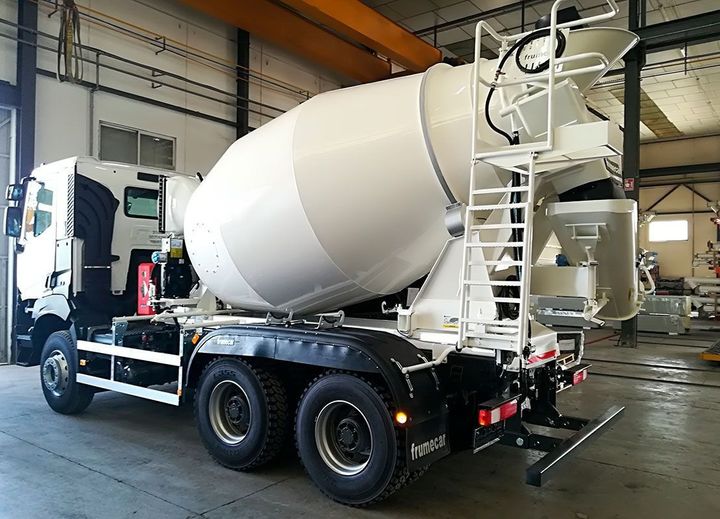
At a basic level, a cement mixer consists of a rotating drum or mixing chamber powered by a motor or engine. As the drum rotates, materials are continuously lifted and folded into themselves until a consistent mixture is formed.

Importance in Modern Construction and Engineering

Cement mixer machines are essential in construction equipment technology due to their ability to standardize concrete production. Without mechanical mixing systems, achieving uniform strength and durability in concrete would be inconsistent and time-consuming.

Key importance areas include:

  • Ensuring uniform distribution of cement particles and aggregates
  • Improving structural strength of concrete elements
  • Reducing manual labor in heavy equipment engineering workflows
  • Supporting large-scale infrastructure development
  • Enhancing productivity in building materials processing systems

These machines directly affect civil engineering projects, real estate development, road construction, and industrial infrastructure. They are also significant in construction safety compliance systems because properly mixed concrete reduces risks of structural failure.

From a broader perspective, cement mixers contribute to sustainability in construction by minimizing material waste and improving efficiency in resource usage.Core Components and How They Work Together

A cement mixer machine is built using several mechanical and electrical components that work in coordination. Each part plays a specific role in ensuring effective mixing performance.

ComponentFunction
Mixing DrumRotates to blend materials uniformly
Motor or EngineProvides mechanical power
Blades or PaddlesLift and fold mixture for consistency
Frame StructureSupports machine stability
Transmission SystemTransfers power to drum
Control PanelManages speed and operation timing
Discharge ChuteReleases finished mixture

The mixing process generally follows these steps:

  1. Raw materials are loaded into the drum
  2. Rotation begins through motor power
  3. Internal blades lift and tumble materials
  4. Continuous movement ensures uniform blending
  5. Mixture is discharged when ready

A simple representation of mixing flow:

Raw Materials → Drum Rotation → Mechanical Blending → Uniform Concrete Output

This process is central to industrial machinery overview studies and construction engineering practices.Types of Cement Mixer Machines

Cement mixers come in different designs depending on application and capacity requirements.

  • Drum Mixers: Common in general construction tasks
  • Pan Mixers: Used for high-intensity mixing applications
  • Twin-Shaft Mixers: Known for fast and uniform blending
  • Volumetric Mixers: Measure materials during mixing process
  • Continuous Mixers: Used in large-scale infrastructure projects

Each type supports different levels of construction equipment technology and project complexity.Recent Trends and Developments (Past Year Insights)

In the past year, cement mixer technology has seen improvements driven by automation, digital monitoring, and energy efficiency goals. These developments align with broader trends in heavy equipment engineering and construction project management tools.

Key updates include:

  • Increased adoption of IoT-enabled monitoring systems (2025 trend) for tracking mixing performance and wear levels
  • Expansion of electric-powered mixers to reduce reliance on traditional fuel-based systems
  • Integration of smart sensors to measure moisture levels and mixing consistency in real time
  • Development of modular mixer designs for faster installation and transport
  • Improved drum coating materials to reduce internal wear and extend operational lifespan

A noticeable trend in 2026 is the use of data-driven construction machinery that connects equipment performance with project management software, improving accuracy in building materials processing workflows.

Regulations, Standards, and Compliance Frameworks

Cement mixer machines are subject to multiple safety and engineering standards designed to ensure operational reliability and worker safety. These frameworks are part of global construction safety compliance systems.

Common regulatory and standard influences include:

  • ISO machinery safety standards for rotating equipment design
  • Occupational safety guidelines related to mechanical operation and protective systems
  • Environmental regulations focusing on emissions and energy efficiency
  • Electrical safety codes for industrial equipment
  • Workplace hazard prevention rules for construction machinery operation

Manufacturers and operators typically follow structured compliance protocols to ensure machines meet international engineering expectations. These policies help reduce mechanical failures and improve safety in construction environments.

Tools, Digital Systems, and Resources

Modern construction environments use several tools and digital platforms to support cement mixer operations and planning. These resources are often linked with construction project management tools and industrial machinery overview systems.

Useful categories include:

  • Concrete mix design calculators (for material proportion planning)
  • Construction simulation software for workflow optimization
  • IoT monitoring dashboards for machine tracking
  • Material strength analysis tools for structural planning
  • Maintenance scheduling applications for equipment lifecycle tracking
  • CAD-based modeling systems for construction design integration
  • Construction safety compliance tracking platforms

These tools help engineers and project managers maintain accuracy in cement mixing operations and improve efficiency across large-scale projects.

Frequently Asked Questions (FAQs)

What is the main purpose of a cement mixer machine?
A cement mixer machine is designed to combine cement, aggregates, and water into a uniform mixture for construction use.

Why is mechanical mixing preferred over manual mixing?
Mechanical mixing ensures consistent quality, better material distribution, and improved structural strength compared to manual methods.

What factors affect mixing quality?
Key factors include drum rotation speed, material ratio accuracy, blade design, and mixing duration.

Are cement mixers used in small and large projects?
Yes, they are used across all project scales, from small structures to large infrastructure developments.

How is technology improving cement mixing systems?
Modern systems use sensors, automation, and digital monitoring to improve precision, efficiency, and material control.

Conclusion

Cement mixer machines are a fundamental part of modern construction engineering, supporting consistent concrete production and efficient material processing. Their design combines mechanical systems, electrical components, and controlled rotation to ensure uniform mixing quality.

With advancements in automation, digital monitoring, and energy-efficient systems, cement mixers are becoming more intelligent and integrated into construction project management ecosystems. These improvements continue to enhance reliability, safety, and performance in global construction practices.


author-image

Harshit Sharma

We are a performance-driven media buying team focused on scaling brands through smart, data-backed advertising strategies

June 04, 2026 . 7 min read