BMW Car Guide: Everything You Need to Know
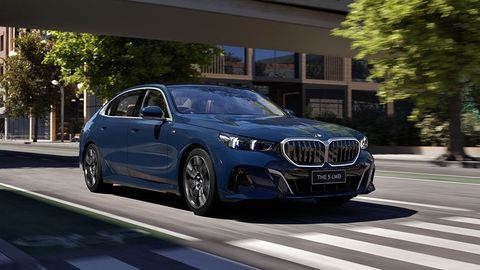
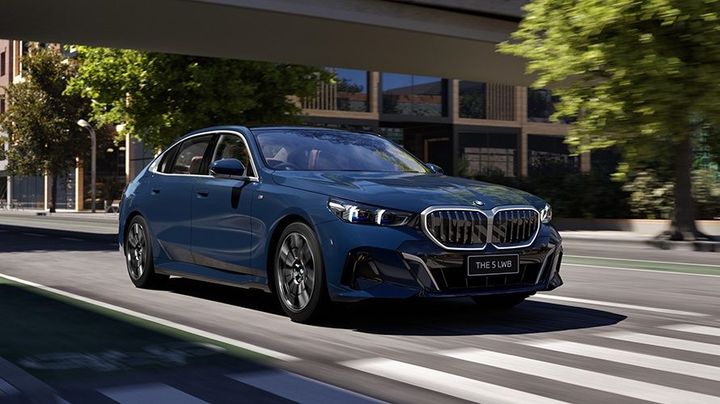
BMW is one of the most recognized automobile manufacturers in the world. Known for engineering, innovation, and a strong focus on driving performance, BMW produces a wide range of vehicles including sedans, sports cars, SUVs, electric vehicles, and luxury models. The company has built a reputation for combining advanced technology with comfort and efficiency.
Today, the BMW car lineup serves different types of drivers, from daily commuters to enthusiasts interested in performance-oriented vehicles. As the automotive industry evolves with electrification, digital connectivity, and sustainability goals, BMW continues adapting its products and technologies to meet changing consumer and regulatory expectations.
Context
BMW stands for Bayerische Motoren Werke, a German automotive manufacturer founded in 1916. The company originally produced aircraft engines before expanding into motorcycles and automobiles. Over time, BMW became known for premium vehicles designed with a focus on performance, safety, and innovation.
A BMW car can be found in several categories, including:
- Luxury sedans
- Sport utility vehicles (SUVs)
- Performance vehicles
- Plug-in hybrid models
- Fully electric vehicles
BMW operates globally and manufactures vehicles for markets across Europe, Asia, North America, and other regions. The company also invests heavily in research and development to improve vehicle efficiency, safety systems, and digital features.
BMW Vehicle Categories
| Category | Examples | Main Purpose |
|---|---|---|
| Sedan | 3 Series, 5 Series | Everyday driving and comfort |
| SUV | X1, X3, X5 | Family and utility use |
| Performance | M Series | High-performance driving |
| Electric | i4, iX | Reduced emissions driving |
| Hybrid | Various Plug-in Hybrids | Combined electric and fuel power |
Importance
BMW plays an important role in the global automotive sector. Its influence extends beyond vehicle manufacturing into areas such as electric mobility, advanced safety systems, and digital vehicle technologies.
The importance of BMW can be seen in several ways:
- Supports automotive innovation through research and development.
- Contributes to advancements in electric vehicle technology.
- Encourages improvements in vehicle safety features.
- Influences automotive design and engineering trends.
- Promotes sustainable transportation initiatives.
BMW affects a wide range of stakeholders, including drivers, manufacturers, suppliers, technology developers, regulators, and transportation planners. Changes introduced by BMW often reflect broader developments within the automotive industry.
Recent Updates
Between 2024 and 2026, several important trends have shaped BMW's direction.
Growth of Electric Mobility
BMW has continued expanding its electric vehicle portfolio. Models in the BMW i series have gained increased attention as more countries encourage lower-emission transportation options. Battery technology improvements have also contributed to greater driving range and efficiency.
Digital Technology Integration
Modern BMW vehicles increasingly feature:
- Advanced driver assistance systems
- Connected vehicle technologies
- Over-the-air software updates
- Enhanced navigation tools
- Artificial intelligence-powered vehicle functions
Another notable trend is the development of sustainable manufacturing practices. BMW has emphasized reducing environmental impact through responsible sourcing, energy efficiency initiatives, and recycling programs.
The company has also continued investing in autonomous driving research and next-generation mobility solutions that may influence future transportation systems.
Laws or Policies
Automobile manufacturers such as BMW must comply with numerous regulations across different countries and regions.
Key policy areas include:
| Policy Area | Purpose |
|---|---|
| Vehicle Safety Standards | Protect drivers, passengers, and pedestrians |
| Emissions Regulations | Reduce environmental impact |
| Fuel Efficiency Rules | Encourage efficient transportation |
| Battery Recycling Policies | Support sustainability goals |
| Data Privacy Regulations | Protect connected vehicle information |
In many regions, governments have introduced stricter emissions targets between 2024 and 2026. These policies encourage manufacturers to expand electric and hybrid vehicle development.
Connected vehicles also raise questions regarding data collection and cybersecurity. Regulations increasingly require manufacturers to protect user information and maintain secure digital systems.
Import and trade regulations may also affect vehicle manufacturing, distribution, and market availability in different countries.
Tools and Resources
Several resources can help individuals learn more about BMW vehicles and automotive technology.
Official Information Sources
Useful resources include:
- BMW product information portals
- Government vehicle safety websites
- Fuel economy databases
- Electric vehicle charging network platforms
- Transportation regulatory websites
Helpful Automotive Tools
| Tool Type | Purpose |
|---|---|
| Fuel Consumption Calculator | Estimate fuel usage |
| Electric Range Calculator | Assess EV driving range |
| Vehicle Comparison Tools | Compare specifications |
| Charging Station Locator | Find charging locations |
| Maintenance Schedule Tracker | Monitor vehicle upkeep |
These tools help drivers understand vehicle performance, efficiency, maintenance requirements, and environmental impact.
Automotive research organizations and transportation agencies also publish reports that provide valuable information about emerging vehicle technologies and industry developments.
FAQs
What is BMW known for?
BMW is known for producing premium automobiles that combine performance, technology, comfort, and engineering innovation.
Does BMW manufacture electric vehicles?
Yes. BMW produces several electric vehicles under its BMW i lineup, including electric sedans and SUVs.
What does the BMW logo represent?
The BMW logo has historical connections to the company's origins in aviation and reflects the brand's long engineering heritage.
Are BMW vehicles available worldwide?
BMW operates in many countries and distributes vehicles across major global markets.
Why is BMW investing in electric mobility?
BMW is responding to changing consumer preferences, environmental objectives, and government regulations that encourage lower-emission transportation solutions.
Conclusion
BMW remains an important participant in the global automotive industry. The company has evolved from its early manufacturing roots into a producer of luxury, performance, hybrid, and electric vehicles. Recent developments between 2024 and 2026 highlight a growing focus on electrification, digital connectivity, sustainability, and advanced safety technologies. Understanding BMW's history, vehicle categories, regulations, and emerging trends can help readers better understand the broader changes occurring throughout the automotive sector.