Best Specs for Laptop/PC for Gaming Explained: Hardware Basics and System Performance Guide
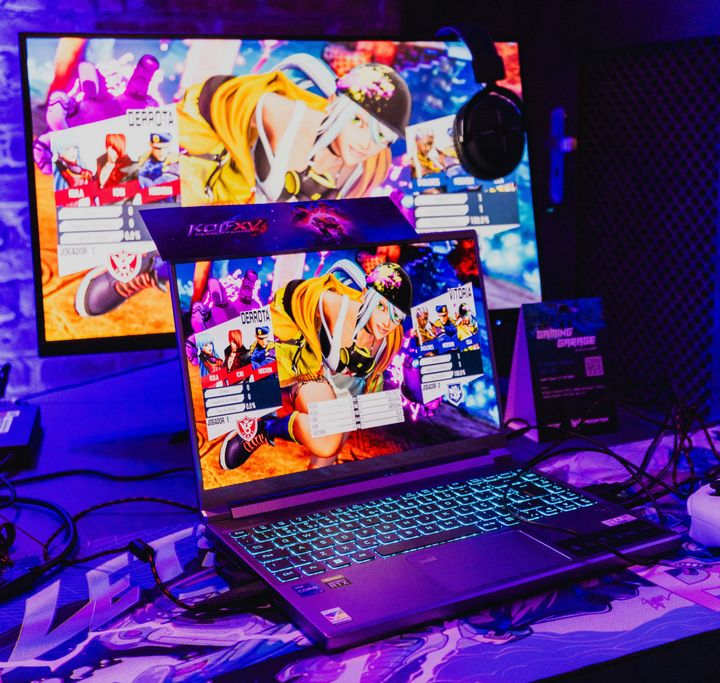
Gaming laptops and gaming PCs are computer systems designed to handle graphically demanding applications, real-time rendering, and high-performance processing tasks. These systems exist to support modern video games, streaming applications, creative software, and advanced multimedia workloads.
The purpose of gaming-focused hardware is to deliver smooth frame rates, responsive controls, improved graphics quality, and stable system performance during intensive tasks. Compared to standard computers, gaming systems include more advanced processors, graphics units, cooling systems, and memory configurations.
High CPC keywords associated with this topic include gaming PC hardware, high-performance gaming laptop, graphics card performance, gaming processor comparison, gaming monitor setup, gaming SSD storage, and advanced cooling systems. These keywords are commonly associated with the gaming technology and computer hardware industries.
As gaming technology evolves, modern systems increasingly support higher resolutions, faster refresh rates, artificial intelligence processing, and immersive visual experiences.
Why Gaming System Specifications Matter Today
Gaming hardware has become important not only for entertainment but also for content creation, streaming, virtual collaboration, and digital media production. Modern games and software require powerful systems capable of handling advanced graphics and real-time processing.
Key reasons gaming specifications matter include:
Performance optimisation:
Powerful hardware improves speed, graphics rendering, and responsiveness
High-resolution gaming support:
Modern systems support advanced visual quality and smoother gameplay
Streaming and content creation:
Gaming PCs are often used for video editing and live streaming
Future-ready compatibility:
Strong specifications help systems support newer applications and software updates
Problems gaming hardware helps address include:
Slow loading times and lag
Limited graphics performance
Overheating during intensive workloads
Insufficient memory and storage capacity
Gaming systems are relevant for players, streamers, designers, developers, and multimedia creators.
Main Hardware Components in Gaming Systems
Gaming performance depends on several hardware components working together efficiently.
Hardware Component
Main Function
Importance
Processor (CPU)
Handles calculations and system operations
System speed
Graphics Card (GPU)
Processes graphics and visual rendering
Gaming visuals
RAM (Memory)
Supports multitasking and active applications
Performance stability
SSD Storage
Improves loading speed and responsiveness
Faster access
Cooling System
Controls temperature during heavy workloads
System reliability
This table highlights the core components that influence gaming system performance.
Processor and Graphics Performance Basics
The processor and graphics card are two of the most important components in gaming hardware.
Processor (CPU):
The CPU handles game logic, background tasks, and system management. Multi-core processors improve multitasking and modern game compatibility.
Graphics Processing Unit (GPU):
The GPU is responsible for rendering graphics, lighting effects, textures, and high-resolution visuals. Advanced GPUs improve frame rates and visual quality.
Performance-related specifications include:
Clock speed and processing cores
Graphics memory (VRAM)
Ray tracing and AI rendering support
Thermal and power efficiency
These specifications influence how smoothly games and applications run under demanding conditions.
Recent Trends and Updates in Gaming Hardware (2025–2026)
Gaming technology has evolved rapidly over the past year due to advances in AI processing, graphics rendering, and cooling technologies.
AI-enhanced gaming performance (2025):
Graphics technologies increasingly use AI-based upscaling and frame generation systems.
Growth of high-refresh-rate displays (2025–2026):
Gaming laptops and monitors now commonly support faster refresh rates for smoother visuals.
Expansion of portable gaming systems (2026):
Slim and lightweight gaming laptops continue improving in thermal and graphical performance.
Advanced cooling systems (late 2025):
Manufacturers introduced improved vapor chamber cooling and thermal management technologies.
Faster SSD adoption (2026):
Modern gaming systems increasingly rely on NVMe SSD storage for quicker game loading and responsiveness.
Display and Cooling System Considerations
Gaming performance is influenced not only by processing power but also by display quality and thermal efficiency.
Important display features include:
High refresh rates for smoother motion
Low response times for faster reactions
Higher resolutions for sharper visuals
Adaptive synchronization technologies
Cooling technologies include:
Air-based thermal systems
Liquid cooling systems
Vapor chamber cooling
Smart fan control software
Efficient cooling helps maintain stable performance during extended gaming or content creation sessions.
Laws and Policies Affecting Gaming Hardware
Gaming hardware markets are influenced by technology regulations, energy standards, and digital safety policies.
Important considerations include:
Electronic safety standards:
Hardware manufacturers must follow product safety and certification guidelines
Energy efficiency regulations:
Governments encourage energy-efficient computing technologies and responsible manufacturing
Import and technology regulations:
Hardware distribution may be affected by regional electronics policies
Consumer protection standards:
Devices must comply with transparency and warranty-related regulations
Technology companies:
Organizations such as NVIDIA and Intel contribute to advancements in gaming hardware and computing technologies
These frameworks help ensure safety, reliability, and responsible technology development.
Tools and Resources for Gaming Hardware Analysis
Various tools and software platforms help users evaluate gaming performance and system compatibility.
Performance monitoring tools:
MSI Afterburner for GPU and temperature monitoring
System information tools:
CPU-Z for processor and memory details
Benchmarking platforms:
3DMark for gaming performance analysis
Communication and streaming platforms:
Discord for gaming communities and collaboration
Storage and optimization tools:
System maintenance utilities for driver updates and storage management
These tools help users monitor hardware performance and understand system capabilities.
Frequently Asked Questions
What are the most important specs for gaming systems?
The processor, graphics card, memory, storage speed, and cooling system are among the most important components.
Why is a graphics card important for gaming?
The GPU handles visual rendering, textures, and frame rates, directly affecting gaming performance.
What is the benefit of SSD storage?
SSD storage improves loading times, responsiveness, and overall system speed.
Why do gaming systems require advanced cooling?
High-performance components generate heat during intensive tasks, making thermal management important for stability.
What are current gaming hardware trends?
AI graphics technologies, high-refresh displays, faster SSDs, and advanced cooling systems are major trends in 2026.
Conclusion
Gaming laptops and PCs have evolved into powerful computing systems capable of supporting advanced graphics, content creation, streaming, and immersive digital experiences. Modern hardware combines high-performance processors, advanced graphics technology, efficient cooling systems, and fast storage solutions to improve responsiveness and visual quality.
Recent developments in AI-enhanced graphics, portable gaming systems, and thermal management technologies continue reshaping the gaming hardware industry. At the same time, technology standards and energy regulations help maintain safety and reliability across computing platforms.
Understanding gaming hardware specifications, performance factors, and modern technology trends helps users make informed decisions about system capabilities and long-term performance expectations.
Disclaimer
This content is intended for informational and educational purposes only. It does not promote, endorse, or represent any specific hardware manufacturer, gaming platform, or technology provider. The information provided is general in nature and should not be interpreted as technical, financial, or professional computing advice.
Ravi Shankar Maurya
We create purposeful content that speaks, resonates, and drives action.