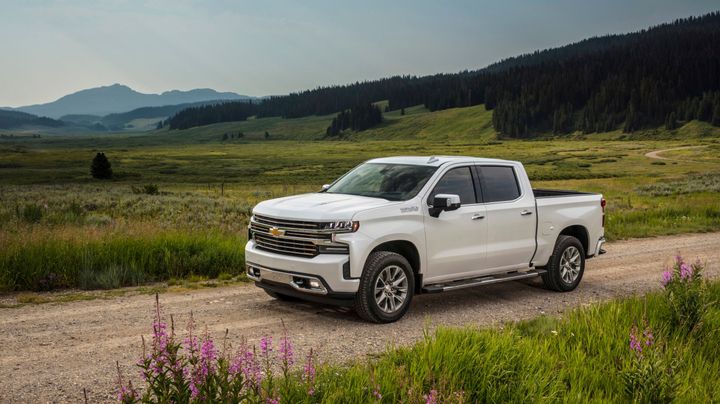
Best Pickup Trucks for Business & Off-Road Use 2026: Explore Guide, Tips, Insights, Advice, Facts, Knowledge, and Helpful Resources
Pickup trucks remain among the most versatile vehicle categories in the automotive industry. They are designed to combine passenger transportation with cargo-carrying capability while maintaining strong towing performance and durability. Over time, pickup trucks have evolved from simple work vehicles into advanced transportation solutions suitable for construction, agriculture, logistics, outdoor recreation, and challenging terrain.
Business operators often rely on pickup trucks to transport equipment, materials, and tools across various locations. At the same time, outdoor enthusiasts use them for trail driving, camping, exploration, and travel in remote environments. This dual-purpose functionality has contributed to the continued popularity of pickup trucks worldwide.
Manufacturers are increasingly integrating advanced safety systems, fuel-efficiency technologies, hybrid powertrains, and digital connectivity features into modern pickup trucks. As a result, 2026 models offer greater flexibility for both commercial and recreational applications.
Why Pickup Trucks Matter in 2026
The growing demand for flexible transportation solutions has increased the relevance of pickup trucks across multiple industries.
For businesses, pickup trucks help address challenges such as:
- Transporting heavy tools and equipment
- Accessing remote work locations
- Supporting agricultural operations
- Managing construction and infrastructure projects
- Handling towing requirements
For off-road users, pickup trucks provide:
- Enhanced ground clearance
- Four-wheel-drive capabilities
- Terrain management systems
- Improved suspension technologies
- Increased cargo capacity for outdoor gear
The expansion of infrastructure projects, logistics operations, and outdoor recreation activities has further strengthened the importance of reliable pickup truck platforms.
Common Features Business and Off-Road Users Consider
| Feature | Business Use | Off-Road Use |
|---|---|---|
| Payload Capacity | High Importance | Medium Importance |
| Towing Capability | High Importance | Medium Importance |
| Ground Clearance | Medium Importance | High Importance |
| Four-Wheel Drive | Medium Importance | High Importance |
| Fuel Efficiency | High Importance | Medium Importance |
| Safety Technology | High Importance | High Importance |
| Cargo Bed Utility | High Importance | High Importance |
| Navigation Systems | Medium Importance | High Importance |
Popular Pickup Truck Categories in 2026
| Category | Typical Application |
|---|---|
| Compact Pickup Trucks | Urban operations and light-duty tasks |
| Mid-Size Pickup Trucks | Mixed business and recreational use |
| Full-Size Pickup Trucks | Heavy-duty transportation and towing |
| Off-Road Focused Trucks | Trail driving and rugged environments |
| Hybrid Pickup Trucks | Improved fuel economy and emissions management |
| Electric Pickup Trucks | Emerging commercial and sustainability applications |
Recent Updates and Industry Trends
The pickup truck market experienced several notable developments during 2025 and early 2026.
One significant trend has been the continued expansion of hybrid and electric pickup truck options. Manufacturers have introduced updated battery technologies, improved charging systems, and enhanced driving ranges aimed at supporting commercial and recreational users.
Advanced Driver Assistance Systems (ADAS) have also become more common. Features such as adaptive cruise control, lane-keeping assistance, collision mitigation, trailer monitoring systems, and 360-degree camera technology are increasingly available across multiple pickup segments.
Another important development has been the growth of connected vehicle technology. Many 2026 pickup trucks now include:
- Fleet management integration
- Remote vehicle diagnostics
- Predictive maintenance alerts
- Smartphone connectivity
- Real-time navigation support
Industry reports published throughout 2025 indicated growing investment in electrification and sustainable transportation technologies. These developments continue to influence vehicle design strategies heading into 2026.
Pickup Truck Technology Trends
The chart below illustrates the relative growth of key pickup truck technologies.
| Technology Area | Industry Growth Trend |
|---|---|
| Hybrid Systems | Very High |
| Electric Powertrains | Very High |
| Safety Automation | High |
| Fleet Connectivity | High |
| Autonomous Features | Moderate |
| Traditional Gasoline Engines | Stable |
Regulatory and Policy Considerations
Pickup trucks are influenced by a range of transportation, environmental, and safety regulations. These rules vary by country and region but generally affect manufacturers and vehicle operators in several ways.
Environmental policies increasingly focus on:
- Vehicle emissions standards
- Fuel economy requirements
- Carbon reduction initiatives
- Battery recycling programs
- Alternative fuel adoption
Safety regulations commonly address:
- Crash testing standards
- Occupant protection systems
- Lighting requirements
- Electronic stability control
- Advanced safety technologies
Commercial fleet operators may also encounter regulations involving:
- Vehicle weight classifications
- Commercial registration requirements
- Inspection programs
- Driver qualification standards
- Fleet reporting obligations
Government transportation agencies worldwide continue to encourage innovation through programs supporting cleaner vehicle technologies and infrastructure modernization.
Key Factors for Evaluating Pickup Trucks
When reviewing pickup truck options for business and off-road use, several considerations can help improve long-term usability.
Payload Requirements
Payload refers to the amount of weight a vehicle can safely carry. Different industries may require varying payload capacities depending on equipment and material transportation needs.
Towing Performance
Many businesses rely on trailers, machinery, and equipment transportation. Towing capacity remains an important metric for evaluating truck capability.
Off-Road Capability
Users operating in challenging environments often examine:
- Approach angles
- Departure angles
- Ground clearance
- Locking differentials
- Terrain response systems
Technology Integration
Modern fleet management increasingly depends on digital tools that support vehicle monitoring and maintenance planning.
Safety Systems
Advanced safety technologies help improve driver awareness and reduce operational risks.
Helpful Tools and Resources
Several digital resources can assist individuals and organizations researching pickup trucks.
Vehicle Comparison Platforms
These tools allow users to compare:
- Payload ratings
- Engine specifications
- Fuel economy estimates
- Safety features
- Cargo capacities
Fuel Economy Calculators
Fuel consumption calculators help estimate operational efficiency across different vehicle categories.
Useful calculations often include:
- Annual fuel usage
- Distance efficiency
- Fleet operating metrics
- Emissions estimates
Fleet Management Applications
Common features include:
- GPS tracking
- Maintenance scheduling
- Driver reporting
- Vehicle diagnostics
- Utilization monitoring
Towing Capacity Calculators
These resources help users understand towing requirements and vehicle compatibility.
Navigation and Mapping Applications
Navigation tools support route planning, off-road mapping, and remote-area exploration.
Practical Tips for Business and Off-Road Applications
Organizations and individuals can improve vehicle performance and longevity through several best practices.
- Follow manufacturer maintenance schedules
- Monitor tire condition regularly
- Verify payload and towing limits
- Inspect suspension components periodically
- Maintain proper fluid levels
- Use appropriate tires for operating conditions
- Review vehicle software updates when available
- Conduct regular safety inspections
These practices help support reliability and operational efficiency across a variety of environments.
Frequently Asked Questions
What makes a pickup truck suitable for business use?
Business-oriented pickup trucks typically offer strong payload capacity, towing capability, durability, cargo management features, and modern fleet technology integration.
Why are four-wheel-drive systems important for off-road driving?
Four-wheel-drive systems improve traction and stability by distributing power to multiple wheels, helping vehicles navigate uneven terrain and challenging surface conditions.
Are hybrid pickup trucks becoming more common?
Yes. Hybrid pickup truck adoption has increased significantly due to advancements in fuel-efficiency technologies, emissions reduction initiatives, and improved powertrain performance.
How do safety technologies benefit pickup truck operators?
Modern safety systems can enhance driver awareness through features such as collision alerts, lane monitoring, adaptive cruise control, and surround-view camera systems.
What factors influence towing capability?
Towing capability is affected by engine performance, transmission design, chassis strength, suspension systems, braking systems, and manufacturer specifications.
Conclusion
Pickup trucks continue to serve a vital role in both commercial operations and off-road activities. Their combination of cargo capacity, towing performance, durability, and technological innovation makes them valuable transportation solutions across diverse industries and environments.
The 2026 pickup truck landscape reflects broader automotive trends, including electrification, advanced safety systems, connected vehicle technologies, and sustainability initiatives. Understanding payload requirements, towing needs, regulatory considerations, and available digital tools can help individuals and organizations make informed decisions.
As transportation technology continues to evolve, pickup trucks are expected to remain an important part of business operations, outdoor recreation, infrastructure projects, agriculture, logistics, and many other sectors. By staying informed about industry developments and best practices, users can better evaluate the capabilities and potential applications of modern pickup truck platforms.