Best Home Security Robots: AI Monitoring, Automation, and Smart Home Security Insights
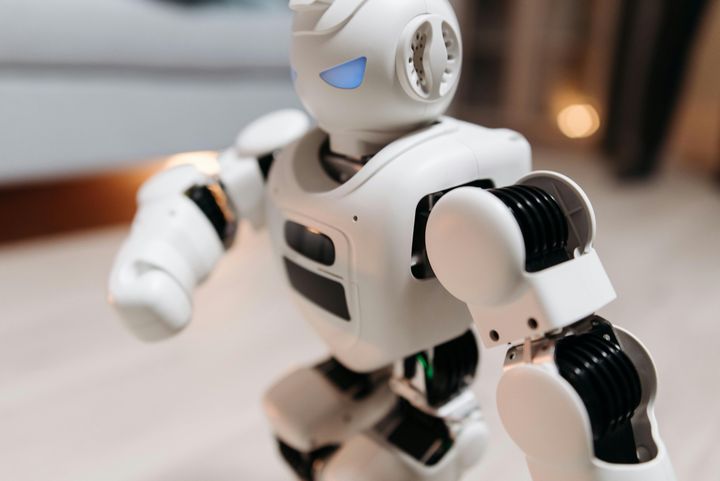
Home security robots are intelligent devices designed to assist with property monitoring, surveillance, environmental awareness, and smart home security management. Unlike traditional security cameras that remain fixed in one location, security robots can use sensors, artificial intelligence (AI), automation technologies, and connected systems to observe and respond to changing conditions within a home environment.
The growing adoption of smart homes, Internet of Things (IoT) devices, cloud computing, and AI-powered monitoring systems has accelerated interest in robotic security technologies. These systems are designed to complement existing security infrastructure rather than replace comprehensive home security planning.
High CPC keywords associated with this topic include home security systems, AI security monitoring, smart home automation, video surveillance technology, cloud security platforms, remote monitoring solutions, cybersecurity for smart homes, intelligent security systems, and automated threat detection.
As residential technology continues evolving, security robots are becoming an increasingly visible part of the connected home ecosystem.
Why Home Security Robots Matter Today
Modern households often contain multiple connected devices, smart appliances, and digital systems. Managing security across these environments can be challenging.
Home security robots help address several objectives:
- Continuous property monitoring
- Remote visibility
- Automated alerts
- Smart home integration
- Environmental awareness
- Operational convenience
These technologies affect homeowners, property managers, technology enthusiasts, residential communities, and smart home users.
Growing interest in AI-powered automation has contributed to the development of more advanced home monitoring solutions.
How Home Security Robots Work
Home security robots typically combine multiple technologies into a single platform.
Common components include:
- Cameras
- Motion sensors
- AI-powered analytics
- Wireless connectivity
- Navigation systems
- Audio communication features
- Environmental monitoring sensors
The robot collects information from its surroundings, analyzes data through onboard or cloud-based systems, and may generate notifications when unusual activity is detected.
Core Technologies Used in Security Robots
| Technology | Function |
|---|---|
| Artificial Intelligence | Object and activity recognition |
| Computer Vision | Image analysis and monitoring |
| Motion Detection | Movement awareness |
| Wireless Connectivity | Remote access and communication |
| Cloud Computing | Data processing and storage |
| Smart Home Integration | Connected device management |
These technologies work together to support monitoring and automation functions.
Common Features of Modern Home Security Robots
Many home security robots include a combination of the following capabilities:
- Mobile surveillance
- Live video streaming
- Motion tracking
- Two-way communication
- AI-assisted monitoring
- Remote control functions
- Smart alerts
- Environmental sensing
The exact features vary depending on design objectives and technological capabilities.
AI Monitoring and Intelligent Detection
Artificial intelligence is one of the most important innovations in modern security robotics.
AI systems may help identify:
- Human movement
- Pets
- Objects
- Environmental changes
- Activity patterns
- Unusual events
Rather than simply recording footage, AI technologies can assist with filtering information and reducing unnecessary alerts.
Smart Home Security Ecosystems
Security robots often operate as part of a broader smart home environment.
Common integrations include:
- Smart cameras
- Smart lighting systems
- Door sensors
- Smart locks
- Voice assistants
- Home automation hubs
These connected systems can help improve coordination between security devices and household automation platforms.
Types of Home Security Robots
Several categories of security robots are used in residential environments.
| Robot Type | Primary Purpose |
|---|---|
| Mobile Monitoring Robots | Indoor patrol and observation |
| Companion Security Robots | Home awareness and communication |
| Surveillance Robots | Video monitoring and alerts |
| Smart Patrol Systems | Automated navigation and detection |
| Hybrid Home Assistants | Combined automation and security functions |
Each category serves different monitoring and automation objectives.
Industry Examples and Technology Developers
Several organizations have contributed to advancements in robotics, AI monitoring, and smart home technologies.
Examples include:
Organizations working in robotics and AI research include:
- Institute of Electrical and Electronics Engineers
- Artificial Intelligence
- Robotics
These examples are provided solely for educational purposes and do not constitute endorsements.
Recent Trends and Updates (2025–2026)
The home robotics and security technology sectors have experienced several notable developments during the past year.
Key trends include:
- Improved AI object recognition
- Enhanced autonomous navigation
- Expansion of smart home integration
- Growth of edge computing capabilities
- Increased focus on privacy controls
- Advanced environmental monitoring features
- Better battery performance and efficiency
- More sophisticated automation workflows
Industry analysts continue to monitor how AI and robotics technologies influence residential security systems.
Advantages of Security Robots
Potential benefits of security robots include:
- Increased situational awareness
- Flexible monitoring coverage
- Smart home integration
- Automated observations
- Remote access capabilities
- Enhanced technology-driven convenience
These systems are often viewed as complementary tools within broader home security strategies.
Challenges and Considerations
Like other technologies, security robots may present considerations such as:
- Privacy management
- Connectivity requirements
- Maintenance needs
- Data security concerns
- Environmental limitations
- System compatibility
Understanding these factors helps users evaluate technology within their specific environments.
Home Security Technology Comparison
| Security Solution | Monitoring Style |
|---|---|
| Fixed Cameras | Stationary observation |
| Smart Doorbells | Entry-point monitoring |
| Security Robots | Mobile monitoring |
| Motion Sensors | Activity detection |
| Smart Locks | Access management |
| Integrated Platforms | Combined security oversight |
Many modern households utilize multiple technologies together.
Laws and Policies Affecting Security Robots
Security robots may be affected by various legal and regulatory frameworks.
Relevant considerations include:
- Privacy regulations
- Data protection requirements
- Consumer technology standards
- Wireless communication regulations
- Smart device security guidelines
- AI governance frameworks
As AI and robotics technologies continue evolving, policymakers are increasingly examining issues related to privacy, transparency, and responsible technology use.
Tools and Resources
Useful resources related to home security robotics include:
- Smart home management platforms
- AI monitoring dashboards
- Security planning guides
- Device compatibility tools
- Home automation software
- Privacy assessment resources
- Robotics research publications
- Technology standards documentation
Educational institutions and technology organizations also provide valuable research related to AI-powered monitoring systems.
Frequently Asked Questions
What is a home security robot?
A home security robot is an automated device that uses sensors, cameras, AI, and connectivity technologies to assist with monitoring and security awareness.
Do security robots replace traditional security systems?
Most security robots are designed to complement existing security measures rather than completely replace them.
How does AI improve home security robots?
AI can help analyze activity, identify objects, recognize patterns, and support intelligent monitoring functions.
Can security robots integrate with smart homes?
Many modern systems are designed to work alongside smart locks, cameras, sensors, lighting systems, and home automation platforms.
What are the major trends in 2026?
AI-driven analytics, autonomous navigation, enhanced privacy controls, smart home integration, and edge computing are among the leading trends.
Conclusion
Home security robots represent an emerging category within smart home technology, combining artificial intelligence, automation, sensors, and connected systems to enhance residential monitoring capabilities. By integrating mobile surveillance, intelligent detection, and smart home connectivity, these technologies contribute to broader home security ecosystems.
As advancements in robotics, AI monitoring, computer vision, and automation continue accelerating, home security robots are expected to play an increasingly important role in residential technology environments. Understanding their capabilities, limitations, technological foundations, and regulatory considerations helps provide valuable insight into the future of smart home security and automated monitoring systems.