Best Electric Stove Guide: How to Choose the Right One for Your Kitchen
Choosing a new stove can feel overwhelming with so many options available today. Electric stoves remain a popular and practical choice for many homes because they offer consistent heat, straightforward installation in most kitchens, and modern features that make daily cooking easier. Whether you are replacing an old unit or designing a new kitchen, understanding the different types of electric stoves and what matters most will help you pick a model that fits your cooking style, budget, and energy goals.
Types of Electric Stoves Explained
Electric stoves generally fall into a few main categories, each with its own strengths.
Coil Electric Stoves
Traditional coil models use exposed metal heating elements that heat up and transfer warmth directly to your pots and pans. These are usually the most affordable option and are simple to repair if a coil fails. Many people still prefer them for basic, reliable cooking. The downside is that coils can be harder to clean, and heat distribution may not feel as even as newer surfaces.
Radiant or Glass-Top Electric Stoves
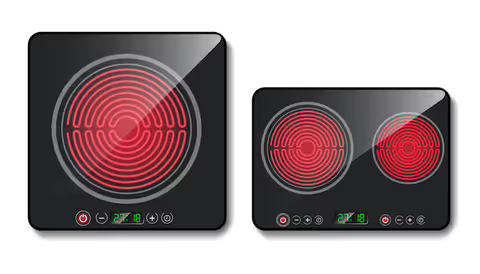
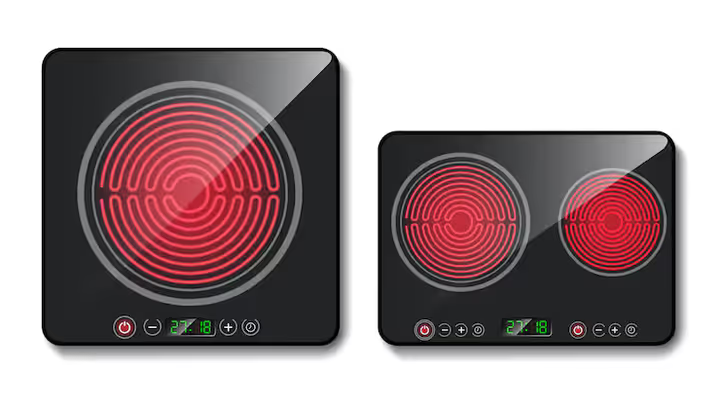
These feature a smooth ceramic or glass surface with heating elements underneath. The flat top looks modern, cleans more easily than coils, and provides better heat distribution. Radiant electric stoves heat the surface, which then warms the cookware. They are a step up in appearance and convenience for most households.
Induction Stoves and Cooktops
Induction technology is often grouped with electric stoves because it runs on electricity, yet it works differently. Instead of heating the surface, electromagnetic fields heat the cookware itself. This makes induction faster, more energy efficient, and safer since the cooktop stays relatively cool. You will need magnetic (ferromagnetic) pots and pans for induction to work properly. Many buyers now compare induction stove options closely when shopping for an electric range.
Key Benefits of Choosing an Electric Stove
Electric stoves deliver steady, even heat that many home cooks appreciate for baking and simmering. They do not require a gas line, which simplifies installation in apartments or homes without existing gas service. Modern electric ranges often include features such as precise temperature controls, self-cleaning ovens, dual-element burners, and bridge elements that let you use larger cookware.
Energy efficiency is another strong point. Newer electric models, especially induction, convert a higher percentage of electricity into usable cooking heat compared with older units or gas ranges. Over time this can lower household energy costs and reduce heat released into the kitchen, which is helpful in warmer climates.
Safety features have also improved. Many electric stoves include residual heat indicators, automatic shut-off options, and child lock controls. Glass-top models eliminate open flames and reduce the risk of gas leaks.
Important Factors When Buying an Electric Stove or Range
Start by measuring your available space and checking the electrical requirements. Most full-size electric ranges need a dedicated 240-volt circuit. Confirm that your kitchen wiring can support the model you want.
Consider your cooking habits. If you frequently boil water quickly or need precise temperature changes, induction often performs best. For everyday family cooking on a budget, a solid radiant electric range is usually sufficient. Look at oven capacity if you bake often, and check burner sizes and power levels for larger pots.
Cleaning ease matters for daily use. Smooth glass tops wipe clean more easily than coils, though spills should still be removed promptly to avoid staining. Durability of the glass surface varies by brand, so read recent user feedback.
Budget ranges widely. Basic coil or entry-level radiant models cost less upfront, while feature-rich induction ranges sit higher. Factor in long-term energy use and potential cookware upgrades if switching to induction.
Electric Stove vs Gas and Induction Considerations
Many shoppers compare electric stoves with gas models. Electric units typically offer more even oven heat and eliminate combustion byproducts indoors. Gas provides instant visual flame control that some cooks prefer. Induction sits between them in responsiveness while delivering the cleanliness of electric power.
Energy efficiency often favors induction and modern electric ranges. Traditional electric coil and radiant models already improve on older designs, and induction pushes efficiency higher by heating the pan directly.
Practical Tips for Getting the Most from Your Electric Stove
Use flat-bottomed cookware that matches the burner size for better heat transfer. Avoid dragging heavy pots across glass tops to prevent scratches. Keep the surface clean and never place wet items on a hot glass top.
For induction, test your existing pans with a magnet. If it sticks firmly to the bottom, the pan should work. Many manufacturers now label induction-compatible cookware clearly.
Regular maintenance extends the life of any electric stove. Wipe spills promptly, check seals on the oven door, and follow the manufacturer’s cleaning recommendations for self-clean cycles.
Making the Final Decision
The best electric stove for you depends on how you cook, your kitchen setup, and how much you want to invest. Focus on reliable brands with good warranty coverage, read recent owner reviews for real-world performance, and match the features to your actual needs rather than every available option.
An electric range or cooktop can serve a household well for many years when chosen carefully. Take time to compare a few models side by side, confirm electrical compatibility, and select one that supports both everyday meals and the occasional special dish. With the right choice, your new electric stove will become a dependable centerpiece of the kitchen.