Battery Cell Manufacturing Explained: Explore Guide, Tips, Insights, Facts, Knowledge, and Helpful Resources
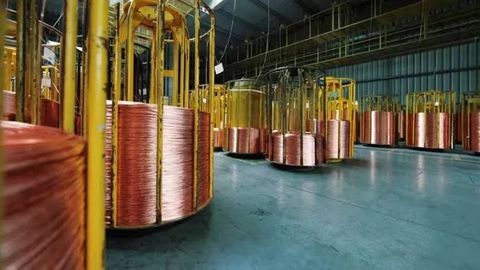
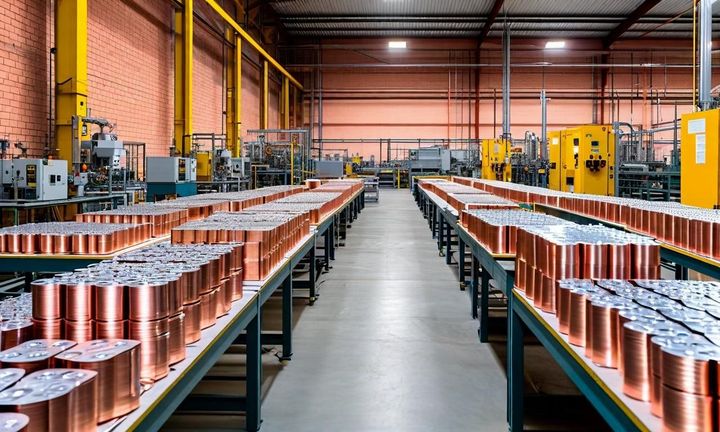
Battery cell manufacturing refers to the process of producing the individual cells that store and release electrical energy. These cells are the building blocks of battery packs used in electric vehicles, consumer electronics, renewable energy storage systems, industrial equipment, and backup power solutions.
The manufacturing process exists because modern technologies require reliable energy storage. As societies increasingly rely on portable electronics and renewable energy systems, the demand for efficient and high-performance battery cells continues to grow.
Most modern rechargeable batteries are based on lithium-ion technology, although other chemistries such as sodium-ion, solid-state, and lithium iron phosphate batteries are also gaining attention. Battery manufacturing involves multiple stages, including material preparation, electrode production, cell assembly, electrolyte filling, formation cycling, testing, and quality control.
The goal of battery production is to create safe, durable, and energy-efficient cells capable of supporting various applications over extended periods.
Key Stages of Battery Cell Manufacturing
| Manufacturing Stage | Purpose |
|---|---|
| Material Preparation | Mixing active materials and additives |
| Electrode Coating | Applying materials to metal foils |
| Drying Process | Removing moisture and solvents |
| Cell Assembly | Combining electrodes and separators |
| Electrolyte Filling | Enabling ion movement inside the cell |
| Formation Testing | Activating battery chemistry |
| Quality Inspection | Ensuring safety and performance |
Why Battery Cell Manufacturing Matters
Battery production has become a critical part of the global energy transition. As countries seek lower emissions and improved energy efficiency, battery technologies play an increasingly important role.
Electric transportation relies heavily on advanced battery cells. Energy storage systems help stabilize renewable power generation from solar and wind sources. Portable electronics depend on compact batteries for daily operation.
Several groups are directly affected by developments in battery manufacturing:
- Electric vehicle manufacturers
- Renewable energy developers
- Consumer electronics companies
- Industrial equipment producers
- Research institutions
- Energy infrastructure planners
Battery cell manufacturing helps address several challenges:
- Energy storage limitations
- Dependence on fossil fuels
- Grid stability concerns
- Portable power requirements
- Electrification of transportation
- Renewable energy integration
The expansion of battery production capacity also encourages innovation in materials science, automation systems, advanced manufacturing technologies, and energy management solutions.
Global Battery Market Focus Areas
| Focus Area | Importance |
| Energy Density | Longer operating duration |
| Battery Safety | Reduced operational risks |
| Recycling Technologies | Material recovery and sustainability |
| Fast Charging | Improved user convenience |
| Supply Chain Security | Reliable material availability |
| Manufacturing Efficiency | Better resource utilization |
Recent Updates and Industry Trends
Battery manufacturing has experienced significant developments during the past year.
In 2025 and early 2026, manufacturers continued expanding production facilities to support growing electric vehicle adoption and energy storage deployment. Industry attention has increasingly focused on improving battery efficiency, sustainability, and material sourcing practices.
Several important trends have emerged:
- Increased investment in lithium iron phosphate (LFP) battery technology.
- Growing research into solid-state batteries.
- Expansion of battery recycling infrastructure.
- Development of sodium-ion battery alternatives.
- Greater use of artificial intelligence in manufacturing quality control.
- Increased automation within battery production facilities.
Manufacturers are also working to reduce production emissions and improve lifecycle sustainability. Many facilities have adopted advanced monitoring systems that optimize energy consumption and improve manufacturing consistency.
Another notable trend involves localized supply chains. Various regions have introduced initiatives to strengthen domestic battery production capabilities and reduce dependence on imported components.
Industry Development Timeline
2024 ─ Increased battery recycling investments
2025 ─ Expansion of large-scale battery facilities
2025 ─ Growth of AI-driven quality inspection
2025 ─ Continued advancement of LFP technology
2026 ─ Increased focus on sodium-ion research
2026 ─ Further development of solid-state battery prototypes
Laws, Regulations, and Policy Considerations
Battery manufacturing is influenced by numerous regulations designed to protect safety, environmental quality, and supply chain transparency.
Many governments have established standards covering:
- Battery safety testing
- Environmental compliance
- Hazardous material handling
- Transportation requirements
- Recycling obligations
- Manufacturing emissions reporting
Environmental regulations often require manufacturers to manage waste materials responsibly and reduce pollution generated during production processes.
Battery recycling policies are becoming increasingly important. Regulatory frameworks in several regions encourage material recovery from used batteries to support resource conservation and reduce environmental impact.
Product safety standards also play a significant role. Manufacturers must conduct testing to verify battery performance under various operating conditions, including temperature extremes, vibration, charging cycles, and impact scenarios.
In addition, supply chain transparency requirements are receiving greater attention. Organizations may be required to document sourcing practices for critical minerals used in battery production.
Helpful Tools and Resources
A variety of digital tools, educational resources, and technical platforms can help individuals understand battery manufacturing processes.
Useful resources include:
- Battery capacity calculators
- Energy storage sizing calculators
- Manufacturing process simulation software
- Battery performance analysis platforms
- Lifecycle assessment tools
- Material composition databases
- Engineering design software
- Technical standards libraries
Common categories of resources include:
| Resource Type | Purpose |
| Battery Calculators | Estimate capacity and energy output |
| Simulation Tools | Model battery behavior |
| Technical Databases | Research battery materials |
| Educational Platforms | Learn manufacturing concepts |
| Quality Control Software | Monitor production consistency |
| Sustainability Tools | Analyze environmental impacts |
Technical publications, academic journals, and engineering organizations also provide valuable information regarding battery chemistry, manufacturing methods, safety practices, and emerging technologies.
Professionals often use digital monitoring systems to evaluate battery performance, manufacturing quality, and operational efficiency across production environments.
Frequently Asked Questions
What is a battery cell?
A battery cell is the smallest functional unit of a battery that stores and releases electrical energy through chemical reactions. Multiple cells are often combined to create larger battery packs.
Which battery chemistry is most commonly used today?
Lithium-ion batteries remain the most widely used rechargeable battery technology due to their balance of energy density, efficiency, and long cycle life.
Why is battery manufacturing important for renewable energy?
Battery systems store electricity generated by renewable sources such as solar and wind power, helping maintain reliable energy availability when generation levels fluctuate.
What is battery formation testing?
Formation testing is a controlled charging and discharging process that activates battery chemistry and helps verify performance characteristics before final deployment.
Are batteries recyclable?
Many battery materials can be recovered through recycling processes. Modern recycling technologies can extract valuable materials such as lithium, nickel, cobalt, copper, and aluminum for future use.
What are solid-state batteries?
Solid-state batteries replace liquid electrolytes with solid materials. Researchers are studying these technologies because they may offer improved safety, energy density, and durability.
High-Value Industry Keywords Related to Battery Cell Manufacturing
The following informational keywords are commonly associated with high-value industrial and technology sectors:
- Battery Cell Manufacturing
- Lithium Ion Battery Technology
- Energy Storage Systems
- Battery Production Process
- Industrial Battery Solutions
- Electric Vehicle Battery Technology
- Battery Quality Control
- Battery Recycling Technology
- Advanced Energy Storage
- Renewable Energy Storage Systems
- Battery Manufacturing Equipment
- Solid State Battery Research
- Battery Materials Engineering
- Industrial Automation Systems
- Clean Energy Infrastructure
- Grid Energy Storage
- Sustainable Battery Technology
- Battery Testing Procedures
- Battery Supply Chain Management
- Energy Storage Innovation
Conclusion
Battery cell manufacturing is a foundational technology supporting modern energy storage, transportation electrification, renewable energy integration, and portable electronics. The industry combines advanced materials science, precision engineering, automation, and rigorous quality control to produce reliable energy storage solutions.
Recent developments have focused on improving sustainability, manufacturing efficiency, battery safety, recycling capabilities, and next-generation technologies such as sodium-ion and solid-state batteries. Regulations continue to shape manufacturing practices, while digital tools and educational resources help improve understanding across the sector.
As global demand for energy storage grows, battery cell manufacturing is expected to remain a key area of technological advancement, supporting innovation across numerous industries and contributing to broader energy transformation efforts worldwide.