Jump to a Chapter

Automatic Brick Making Machine Explained: Explore Guide, Tips, Insights, Knowledge, Facts, and Helpful Resources

Automatic Brick Making Machine Explained: Explore Guide, Tips, Insights, Knowledge, Facts, and Helpful Resources

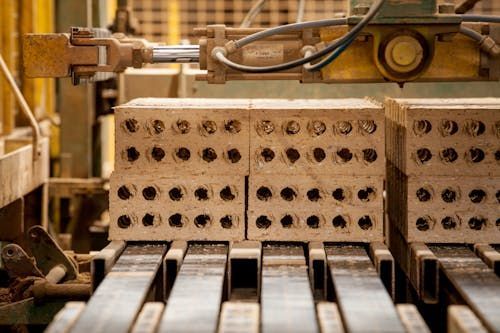
An automatic brick making machine is a type of industrial equipment designed to produce bricks with minimal manual intervention. These machines use automated systems to mix raw materials, shape bricks, compress them, and prepare them for curing or further processing.


The development of automatic brick manufacturing technology emerged from the growing need for consistent brick quality, increased production efficiency, and reduced dependence on manual labor. Traditional brick production methods often required significant physical effort and could result in variations in size, shape, and strength.

Modern automatic systems integrate sensors, programmable controls, hydraulic mechanisms, and material handling technologies. As a result, they can produce large volumes of bricks while maintaining standardized specifications.

Automatic brick making machines are commonly used for producing:

  • Concrete bricks
  • Fly ash bricks
  • Hollow blocks
  • Paver blocks
  • Interlocking bricks
  • Solid construction blocks

These machines form an important part of the broader construction manufacturing technology sector.

Key Components of an Automatic Brick Making Machine

ComponentFunction
Material MixerBlends raw materials uniformly
Hopper SystemStores and feeds materials
Hydraulic UnitProvides compression force
Molding SectionShapes bricks according to design
Control PanelManages automated operations
Conveyor SystemTransfers finished products
Curing AreaSupports strength development

Why Automatic Brick Making Machines Matter Today

The construction industry continues to expand in many regions, increasing demand for reliable building materials. Automatic brick making machines help manufacturers maintain consistent production standards while supporting large-scale infrastructure projects.

Several groups benefit from this technology:

  • Construction companies
  • Infrastructure developers
  • Building material manufacturers
  • Urban development agencies
  • Industrial production facilities
  • Research and engineering organizations

One major challenge in traditional brick production is inconsistency. Differences in raw material mixing, molding pressure, and curing conditions can affect final product quality. Automated systems reduce these variations through standardized processes.

Another important factor is resource efficiency. Modern equipment is designed to optimize material usage and reduce production waste. This contributes to more sustainable construction practices.

The technology also supports the growing adoption of environmentally conscious building materials, including fly ash-based products and alternative aggregate mixtures.

Industry Benefits Overview

AreaImpact
Quality ControlImproved consistency
ProductivityHigher output rates
Material UsageBetter resource management
AutomationReduced manual intervention
StandardizationUniform brick dimensions
SustainabilitySupports eco-friendly materials

Recent Updates and Industry Trends

The automatic brick manufacturing sector has experienced notable technological developments during the past year.

In 2025 and early 2026, manufacturers increasingly adopted smart manufacturing systems that integrate digital monitoring and predictive maintenance tools. These systems collect operational data and help operators identify maintenance requirements before equipment failures occur.

Artificial intelligence-assisted monitoring has also gained attention. Machine learning algorithms are being explored for process optimization, quality inspection, and production forecasting.

Another significant trend involves energy-efficient hydraulic systems. Newer machine designs focus on reducing electricity consumption while maintaining production performance.

Industry reports published throughout 2025 highlighted growing interest in sustainable construction technology. Many facilities expanded the use of recycled materials, industrial by-products, and low-carbon construction inputs.

Digital control systems have also become more advanced. Touchscreen interfaces, remote monitoring capabilities, and cloud-based production analytics are increasingly available in modern industrial automation equipment.

Technology Trends Comparison

TrendIndustry Focus
Smart SensorsEquipment monitoring
Predictive MaintenanceReduced downtime
Digital ControlsProduction management
Data AnalyticsProcess optimization
Energy EfficiencyResource conservation
Sustainable MaterialsEnvironmental performance

The graph below illustrates the relative emphasis of recent industry trends.

Energy Efficiency ████████████
Smart Monitoring ███████████████
Digital Automation █████████████████
Sustainable Materials ████████████████
Predictive Analytics ██████████████

Regulations and Policy Considerations

Automatic brick making machines operate within broader industrial, environmental, and construction-related regulatory frameworks. Requirements vary by country and region.

Several regulatory areas commonly influence brick manufacturing operations:

  • Industrial safety standards
  • Workplace health requirements
  • Environmental compliance regulations
  • Air quality management rules
  • Waste management policies
  • Energy efficiency guidelines
  • Construction material standards

Many governments encourage the adoption of environmentally responsible construction materials. In some regions, policy initiatives promote the use of fly ash bricks and alternative building products to reduce pressure on natural resources.

Environmental regulations may also affect emissions, dust control, water management, and industrial waste handling practices. Facilities using automated equipment often incorporate monitoring systems to help maintain compliance with applicable requirements.

Building codes frequently establish minimum standards for brick strength, durability, dimensions, and structural performance. Manufacturers must ensure that production processes meet these technical specifications.

Organizations involved in construction manufacturing technology often monitor updates from:

  • National standards agencies
  • Environmental authorities
  • Construction regulatory bodies
  • Occupational safety organizations
  • Industrial development departments

Understanding local regulations remains an important aspect of responsible manufacturing operations.

Helpful Tools and Resources

A variety of digital tools and educational resources can assist professionals, students, and industry observers in learning about automatic brick making technology.

Useful resources include:

  • Construction material calculators
  • Production planning software
  • Industrial automation learning platforms
  • Equipment maintenance tracking systems
  • Hydraulic system diagnostic tools
  • Quality control documentation templates
  • Manufacturing process simulation software

Common categories of online resources include:

Resource TypePurpose
Material CalculatorsEstimate material quantities
Maintenance SoftwareTrack equipment performance
Learning PlatformsStudy automation concepts
CAD ApplicationsDesign production layouts
Quality TemplatesDocument inspections
Analytics ToolsMonitor production metrics

Educational topics worth exploring include:

  • Industrial automation equipment
  • Hydraulic engineering fundamentals
  • Construction manufacturing technology
  • Sustainable construction practices
  • Smart manufacturing systems
  • Production quality management
  • Building materials science

These resources help improve understanding of modern manufacturing processes and industry developments.

Frequently Asked Questions

What is an automatic brick making machine?

An automatic brick making machine is industrial equipment that produces bricks through automated processes such as material feeding, mixing, molding, compression, and handling. It reduces manual involvement while improving production consistency.

Which materials can be used in automatic brick production?

Depending on machine design and manufacturing requirements, materials may include cement, sand, aggregates, fly ash, industrial by-products, and other approved construction inputs.

Why is automation important in brick manufacturing?

Automation helps improve consistency, standardization, efficiency, and process control. It also supports better monitoring and quality management throughout production.

Are automatic brick making machines environmentally friendly?

Environmental performance depends on machine design, energy usage, raw materials, and operating practices. Many modern systems support sustainable construction technology through efficient resource utilization and compatibility with alternative materials.

How do digital control systems improve production?

Digital control systems enable operators to monitor performance, adjust settings, track production data, and manage processes more accurately. Advanced systems may also support remote monitoring and predictive maintenance functions.

What industries use automatic brick making machines?

These machines are commonly used in construction material manufacturing, infrastructure development, industrial production facilities, commercial building projects, and urban development initiatives.

Conclusion

Automatic brick making machines represent an important advancement in construction manufacturing technology. By combining automation, hydraulic engineering, digital controls, and quality management systems, these machines help support modern building material production.

Growing interest in smart manufacturing systems, predictive maintenance, sustainable construction technology, and energy-efficient operations continues to shape the industry. At the same time, regulatory requirements related to safety, environmental protection, and construction standards influence how production facilities operate.

Understanding the fundamentals of automatic brick making machines provides valuable insight into the technologies that support modern construction and infrastructure development. As automation continues to evolve, these systems are expected to play an increasingly important role in efficient, standardized, and sustainable building material manufacturing.

author-image

Harshit Sharma

We are a performance-driven media buying team focused on scaling brands through smart, data-backed advertising strategies

June 06, 2026 . 8 min read