Athletic Clothing for Women: Complete Guide to Comfort, Performance, and Everyday Fitness
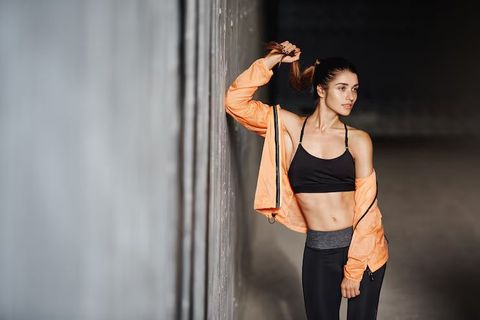
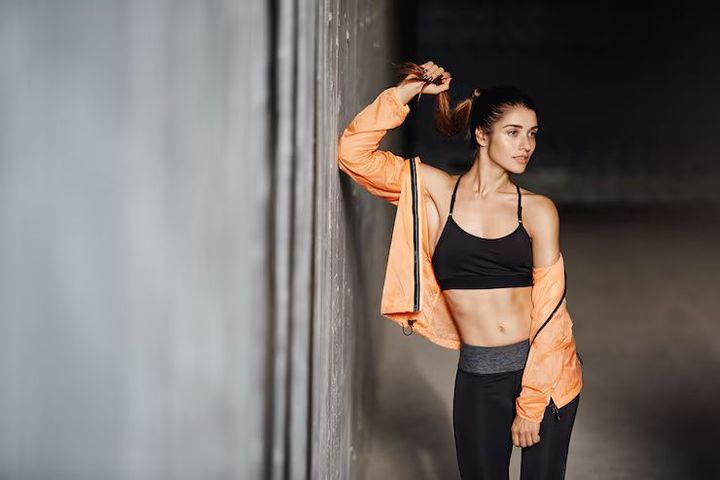
Athletic clothing for women has become an essential part of active lifestyles, supporting everything from gym workouts and yoga sessions to running, hiking, and everyday movement.
Modern activewear combines comfort, flexibility, durability, and style, allowing women to stay comfortable while participating in various physical activities.
Advancements in athletic apparel have introduced innovative fabrics, moisture-wicking technology, compression wear, breathable materials, and ergonomic designs that improve comfort during exercise. Whether someone is a beginner or an experienced athlete, selecting the right women's athletic clothing can enhance mobility and overall workout performance.
This guide explains the different types of athletic clothing for women, how they work, their advantages, practical applications, and important factors to consider when choosing fitness apparel.
Understanding the Concept
Athletic clothing refers to garments specifically designed for exercise, sports, fitness activities, and active lifestyles. Unlike everyday clothing, sportswear focuses on flexibility, breathability, moisture management, and unrestricted movement.
Modern women's activewear uses performance fabrics that help regulate body temperature, manage perspiration, and provide support during physical activities. Many athletic clothing brands also integrate stretch materials that allow comfortable movement during running, strength training, cycling, yoga, and outdoor recreation.
Common high-value apparel categories include:
- Women's athletic clothing
- Women's workout clothes
- Women's activewear
- Women's fitness apparel
- Performance leggings
- Sports bras
- Running apparel
- Yoga clothing
- Compression clothing
- Moisture-wicking apparel
Each category serves different workout needs while improving overall comfort.
Key Types or Categories
Sports Bras
Sports bras provide support during physical activities by reducing unnecessary movement and improving comfort.
Common styles include:
- Low-impact support
- Medium-impact support
- High-impact support
- Racerback designs
- Adjustable strap designs
The appropriate level of support depends on the activity.
Athletic Leggings
Performance leggings are among the most popular pieces of women's fitness apparel.
Popular features include:
- Four-way stretch fabric
- Moisture-wicking technology
- High-waist design
- Compression support
- Flatlock seams
Leggings are suitable for yoga, gym workouts, walking, and strength training.
Athletic Shorts
Workout shorts improve ventilation during warm weather and high-intensity exercise.
Popular options include:
- Running shorts
- Compression shorts
- Cycling shorts
- Training shorts
Each style supports different workout routines.
Performance Tops
Athletic tops include:
- Tank tops
- Short-sleeve shirts
- Long-sleeve performance shirts
- Compression tops
These garments help regulate body temperature while allowing unrestricted movement.
Athletic Jackets
Lightweight jackets provide additional protection during outdoor exercise.
Common features include:
- Wind resistance
- Water-resistant fabric
- Breathable panels
- Lightweight insulation
Outdoor runners and hikers often use these jackets during changing weather conditions.
Athletic Footwear
Proper footwear supports balance, stability, and comfort.
Popular categories include:
- Running shoes
- Walking shoes
- Cross-training shoes
- Tennis shoes
- Hiking shoes
Selecting footwear based on the intended activity improves overall performance.
Important Subsections
Moisture-Wicking Fabric
Moisture-wicking fabric moves perspiration away from the skin, helping clothing remain dry during exercise.
This improves comfort during longer workout sessions.
Compression Clothing
Compression apparel gently supports muscles while encouraging improved circulation during physical activity.
Many athletes choose compression garments for training and recovery.
Breathable Materials
Breathable fabrics allow better airflow, reducing overheating during workouts.
Mesh panels are commonly used to improve ventilation.
Stretch Technology
Stretch fabrics allow unrestricted movement during activities requiring flexibility.
Examples include:
- Yoga
- Pilates
- Dance
- Functional fitness
- Strength training
Seam Construction
Flatlock seams reduce friction between clothing and skin, minimizing discomfort during extended workouts.
How It Works
Step 1: Choose Activity-Specific Clothing
Different workouts require different apparel.
Examples include:
- Running
- Weight training
- Yoga
- Cycling
- Hiking
Selecting activity-specific athletic clothing improves comfort and movement.
Step 2: Select the Correct Fit
Athletic clothing should fit comfortably without being excessively tight or loose.
Proper fit allows unrestricted movement while maintaining support.
Step 3: Consider Fabric Technology
Performance fabrics often include:
- Moisture-wicking materials
- Quick-drying fibers
- Stretch fabrics
- Breathable mesh
- Compression materials
These technologies improve workout comfort.
Step 4: Layer When Necessary
Outdoor exercise may require multiple clothing layers.
A typical layering system includes:
- Moisture-wicking base layer
- Insulating middle layer
- Weather-resistant outer layer
This approach helps regulate body temperature.
Step 5: Maintain Athletic Apparel
Proper care extends clothing lifespan.
Recommendations include:
- Wash according to garment instructions
- Avoid excessive heat when drying
- Store clothing in a clean, dry location
- Replace garments showing excessive wear
Benefits and Advantages
Women's athletic clothing provides several practical advantages.
Improved Comfort
Performance fabrics reduce discomfort during exercise by managing moisture and allowing better airflow.
Greater Flexibility
Stretch materials support natural body movement during workouts.
Better Support
Sports bras and compression garments provide additional support for different activity levels.
Enhanced Temperature Regulation
Breathable materials help maintain comfort across various weather conditions.
Increased Durability
Quality athletic apparel is designed to withstand frequent movement and repeated washing.
Versatile Everyday Wear
Many women wear activewear not only during exercise but also while traveling, shopping, or performing daily activities because of its comfort.
Real-World Examples or Applications
Women's athletic clothing is suitable for many activities.
Gym Training
Common apparel includes:
- Performance leggings
- Sports bras
- Athletic tops
- Cross-training shoes
Running
Runners often choose:
- Lightweight shirts
- Running shorts
- Compression leggings
- Breathable jackets
Yoga Classes
Yoga apparel focuses on flexibility and comfort.
Popular choices include:
- High-waist leggings
- Stretch tops
- Low-impact sports bras
Outdoor Recreation
Hiking and walking apparel may include:
- Moisture-wicking shirts
- Lightweight jackets
- Hiking leggings
- Trail footwear
Team Sports
Athletic clothing supports sports such as:
- Tennis
- Volleyball
- Basketball
- Soccer
- Badminton
Each activity benefits from sport-specific apparel.
Important Factors to Understand
Several considerations help when selecting athletic clothing.
Fabric Quality
Quality fabrics generally provide better durability, flexibility, and moisture management.
Proper Fit
Comfort and mobility improve when clothing fits correctly.
Climate
Warm climates often require lightweight, breathable apparel, while colder environments benefit from layered clothing.
Activity Level
High-impact activities typically require additional support and more durable fabrics.
Care Instructions
Following garment care recommendations helps preserve elasticity, fabric quality, and performance.
Future Trends and Industry Insights
Women's athletic apparel continues evolving with new textile technologies.
Smart Athletic Clothing
Wearable technology is being integrated into athletic garments to monitor movement, posture, and activity levels.
Sustainable Fabrics
Many manufacturers are using recycled fibers and environmentally responsible production methods.
Advanced Performance Materials
New materials provide improved moisture management, durability, odor resistance, and stretch performance.
Personalized Athletic Apparel
Data-driven sizing and customized garment designs are improving comfort and fit for different body types.
Multifunctional Activewear
Modern activewear is increasingly designed for workouts, travel, remote work, and casual everyday wear, making it more versatile than ever.
Conclusion
Athletic clothing for women combines comfort, flexibility, support, and performance to meet the demands of modern active lifestyles. From performance leggings and sports bras to moisture-wicking tops, compression apparel, and athletic footwear, each item contributes to safer and more comfortable physical activity.
Choosing clothing based on activity type, fabric technology, fit, and environmental conditions helps improve movement, confidence, and overall workout experience. As textile innovation continues advancing, women's athletic apparel will provide even greater comfort, durability, and functionality for fitness enthusiasts and everyday users alike.