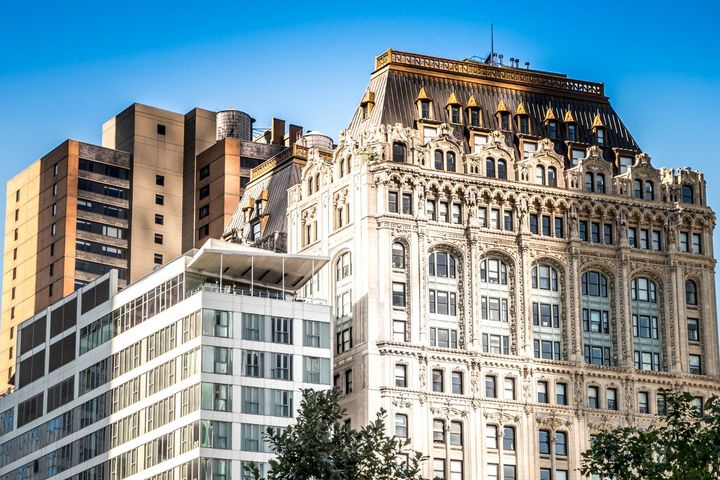
Apartments for Rent in Germany: Explore Guide, Tips, and Insight
Apartments for rent in Germany are residential properties available under a tenancy agreement for a defined period or on an open-ended basis.
What Are Apartments for Rent in Germany?
The German rental market includes private flats, furnished apartments, shared housing, student residences, serviced apartments Germany, and long term apartment rental Germany.
The rental process can differ according to the city, property type, tenancy arrangement, and landlord requirements. People searching for apartment rental Germany may need documents such as identification, proof of income, residence information, and, in many cases, a creditworthiness record.
Germany has a large rental population. In 2025, 52.8% of the population lived in rented housing, according to Germany-related Eurostat data reported by Destatis.
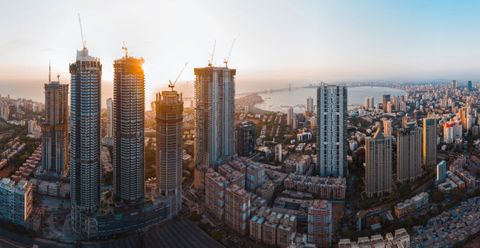
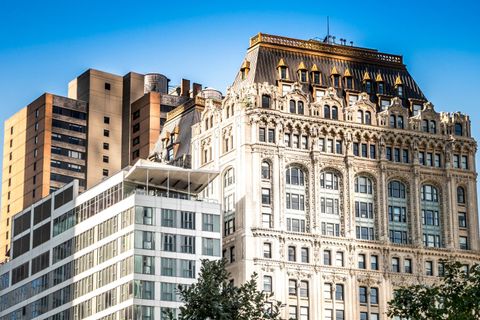
Major cities such as Berlin, Munich, Frankfurt, and Hamburg have substantial rental markets, while smaller cities and surrounding areas can provide different housing choices.
Why Does Apartment Rental Matter Today?
Finding suitable housing is important for residents, international workers, students, families, and people relocating within Germany. Demand is particularly significant in large urban areas.
In 2025, 11.7% of Germany's population lived in overcrowded housing. The rate was considerably higher in cities than in rural areas, highlighting continuing pressure on urban housing availability.
The housing market also affects relocation planning. Someone moving to Berlin may research apartment rental Berlin, while a person relocating to Bavaria may search for apartments for rent Munich.
Common challenges include:
- Limited availability in popular neighbourhoods
- High demand for well-connected apartments
- Documentation requirements
- Understanding Kaltmiete and Warmmiete
- Comparing furnished and unfurnished housing
- Arranging registration after moving
- Identifying legitimate rental advertisements
- Understanding tenancy agreements
For international residents, apartment relocation Germany planning often requires preparing documents before contacting landlords. Germany's official immigration information portal recommends having relevant documents ready because suitable advertisements can disappear quickly.
Main Types of Rental Apartments
Germany has several residential formats designed for different circumstances.
Unfurnished apartments: These are common for long-term residents and generally provide greater flexibility for arranging furniture and household equipment.
Furnished apartments Germany: These typically include furniture and may be appropriate for people arriving in a new city, professionals on temporary assignments, or residents who need accommodation for a defined period.
Shared apartments: Known as Wohngemeinschaften or WGs, these involve private bedrooms with shared areas such as kitchens and bathrooms.
Student residences: These are intended primarily for students and may include individual rooms, shared facilities, or individual apartments.
Serviced apartments Germany: These combine residential accommodation with additional features intended for temporary or flexible stays.
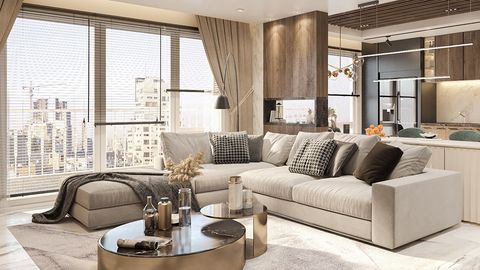
Luxury apartments Germany: These generally refer to higher-specification properties with features such as larger floor areas, premium locations, modern interiors, terraces, parking, or upgraded building facilities.
| Rental Type | Typical Use | Main Consideration |
|---|---|---|
| Unfurnished flat | Long-term residence | Furniture and household setup |
| Furnished apartment | Relocation or temporary stay | Included furnishings |
| Shared apartment | Students and young professionals | Shared facilities |
| Student residence | University students | Eligibility and availability |
| Serviced apartment | Flexible stays | Contract duration and inclusions |
| Luxury apartment | Premium urban living | Location and specifications |
Benefits and Applications
Apartment rental provides flexibility for people whose housing requirements may change over time. It can be particularly relevant when purchasing a residence is not part of an individual's immediate plans.
Relocation: People moving between German cities can use temporary or furnished housing while arranging longer-term accommodation.
Education: Students can consider student residences, shared flats, or private apartments depending on location and availability.
Employment-related moves: Professionals relocating to Berlin, Munich, Frankfurt, Hamburg, or another business centre may initially consider furnished accommodation before choosing a longer tenancy.
Family living: Larger apartments can provide separate bedrooms, living areas, storage, and other features needed by households.
Flexible accommodation: Furnished rental apartments Berlin and similar options in other cities can be useful when a resident needs accommodation for a limited period.
When comparing apartments, consider:
- Monthly Kaltmiete and Warmmiete
- Deposit requirements
- Apartment size
- Number of rooms
- Furnishing level
- Energy efficiency
- Public transport access
- Contract duration
- Notice period
- Registration eligibility
Any rental figures shown in advertisements or market comparisons should be treated as indicative. Actual monthly amounts vary according to location, size, building condition, furnishings, contract terms, and local market conditions.
Five Major Rental Platforms and Providers
The German rental market includes several established property platforms and furnished-housing providers. These names are useful starting points for independent research rather than recommendations.
ImmoScout24: A major German property platform with extensive residential listings and rental search functions.
immowelt: Provides apartment listings across Germany, including categories for furnished apartments, student housing, shared flats, new buildings, and different apartment sizes.
HousingAnywhere: An international accommodation platform used for housing searches in various European cities, including Germany.
Wunderflats: Focuses strongly on furnished apartments and temporary accommodation. Its current company profile lists furnished apartments, serviced apartments, and accommodation from one month in multiple German cities.
Homelike: A platform associated with furnished and flexible accommodation, particularly relevant to people researching temporary housing in German business centres.
Availability, listing information, eligibility, and contractual terms can change, so applicants should verify details directly on the relevant platform or with the landlord.
Recent Housing Updates in Germany
Germany's rental market has experienced several important developments during 2025 and 2026.
On 23 July 2025, the German government brought an extension of the Mietpreisbremse, or rent control mechanism, into force. The measure was extended through the end of 2029. In designated areas with tight housing markets, the starting rent generally cannot exceed the local comparative rent by more than 10%, subject to statutory exceptions.
The rule does not generally apply to housing first used and rented after 1 October 2014, among other statutory exceptions.
In April 2026, the federal government announced cabinet-approved measures intended to strengthen tenant protection and address gaps associated with the rent-control framework. The proposal was part of an ongoing legislative process rather than a statement that every proposed measure had already become applicable law.
Housing construction also remains an important market issue. Destatis reported that 206,600 homes were completed in Germany in 2025, 18.0% fewer than in 2024 and the lowest annual figure since 2012.
These developments help explain why apartment availability and rental conditions remain important topics for people researching Germany's housing market.
Laws and Policies Affecting Rental Housing
German tenancy arrangements are primarily governed by the German Civil Code (BGB) along with other federal and local regulations.
The Mietpreisbremse can restrict the initial rent in designated areas with tight housing markets. Its exact application depends on the location and statutory exceptions.
Rental deposits: Under Section 551 of the BGB, a residential rental deposit generally cannot exceed three times the monthly rent excluding separately stated operating-cost payments. A tenant paying a cash deposit is entitled to divide it into three equal monthly payments.
Operating charges: German law permits agreements under which tenants pay certain operating charges. Advance payments must be reasonable, and annual settlement rules apply where advance payments are used.
Registration: Anyone moving into a residence generally has to register with the local registration authority within two weeks. The Federal Registration Act establishes this requirement.
A Wohnungsgeberbestätigung, or landlord confirmation of residence, is generally needed for registration at the local registration office.
Rental agreements: Written tenancy documentation should be reviewed carefully for duration, rent structure, deposit, notice provisions, operating charges, and other conditions. Official German guidance also recommends documenting the apartment's condition when moving in.
Useful Tools and Resources
Several resources can make apartment research more structured.
- ImmoScout24: Search apartments by city, neighbourhood, size, and other criteria.
- immowelt: Search German rental listings and filter by apartment characteristics.
- Mietspiegel: Local rent tables can help research comparative rents where available.
- Make it in Germany: Official guidance for international residents covering housing, registration, documents, and tenancy basics.
- Meldebehörde: The relevant local registration authority for registering a new residence.
- Housing application folder: Keep identification, residence documents, income records, credit information where applicable, and other requested documents organized.
- Handover checklist: Record meter readings, visible defects, fixtures, and apartment condition when moving in.
A practical research process is to compare several neighbourhoods, calculate the expected monthly household budget, check transport connections, review the tenancy terms, and confirm registration eligibility before committing.
Frequently Asked Questions
What documents are commonly needed for apartments for rent in Germany?
Landlords may request identification, proof of income, residence documentation, and evidence of creditworthiness. Requirements vary, particularly for international applicants.
What is the difference between Kaltmiete and Warmmiete?
Kaltmiete generally refers to the basic rent, while Warmmiete generally includes specified operating charges. Electricity, gas, or other household expenses may be handled separately depending on the agreement.
Is a rental deposit required in Germany?
A landlord may require a deposit. Under Section 551 BGB, the general statutory maximum is three times the monthly rent excluding separately stated operating charges, with rules allowing payment in three instalments.
When should a new residence be registered?
Under the Federal Registration Act, residents generally must register within two weeks of moving into a residence.
Where can I research flats for rent Germany?
Major property platforms such as ImmoScout24 and immowelt provide searchable German rental listings. International residents can also consult the official Make it in Germany housing guidance for documentation and relocation information.
Conclusion
Researching apartments for rent in Germany involves more than comparing monthly rent figures. Location, apartment type, furnishings, tenancy duration, operating charges, registration requirements, documentation, and applicable rental rules all influence the overall decision.
People researching apartment rental Berlin, apartments for rent Munich, apartments for rent Frankfurt, or apartments for rent Hamburg can compare neighbourhoods and property types before preparing an application. Furnished apartments Germany and long term apartment rental Germany address different housing situations, while luxury apartments Germany and serviced apartments Germany represent more specialized segments.
A careful approach involves checking current listings, understanding the difference between Kaltmiete and Warmmiete, reviewing the tenancy agreement, documenting the apartment condition, and using official German resources for legal and registration information. This helps prospective tenants develop a clearer understanding of the German rental market and make informed housing decisions.
Disclaimer: All travel package pricing, accommodation rates, transportation expenses are informational examples only. Actual prices vary according to travel dates, destination, exchange rates, availability, accommodation category, transportation choices, and seasonal demand.