Alternative AI Sensor Technologies With Advanced Automation Insights
Alternative AI sensor technologies refer to advanced sensing systems that combine artificial intelligence with real-time environmental monitoring, automated decision-making, and smart data analysis. These technologies are used in industrial automation, healthcare devices, robotics, autonomous transportation, smart infrastructure, agriculture, environmental monitoring, and consumer electronics. Unlike traditional sensors that only collect raw measurements, AI-powered sensors can analyze patterns, identify anomalies, predict outcomes, and support automated responses without requiring constant human intervention. This combination of sensing and intelligent processing has become increasingly important in modern digital systems.
This comparison matters globally because industries worldwide are rapidly expanding their use of automation, machine learning, and connected infrastructure. According to global technology research, businesses are increasingly investing in intelligent monitoring systems to improve productivity, predictive maintenance, energy efficiency, and operational safety. AI sensor technologies are now central to many smart systems, including automated manufacturing lines, wearable healthcare devices, autonomous machines, and environmental monitoring platforms. As digital transformation accelerates internationally, organizations are comparing sensor technologies more carefully based on accuracy, processing speed, scalability, and integration capabilities.
The real-world impact of AI sensor technologies extends far beyond industrial automation alone. These systems influence healthcare diagnostics, traffic management, agricultural productivity, workplace safety, and environmental sustainability initiatives used by millions of people worldwide. Poorly designed sensor systems may lead to inaccurate data analysis, operational failures, or cybersecurity risks, while properly configured intelligent sensors may improve efficiency, reliability, and decision-making accuracy. Understanding how alternative AI sensor technologies function helps businesses and individuals make more informed technology decisions, which naturally leads into who these systems affect and the problems they are designed to solve.
Who It Affects & Problems It Solves
AI sensor technologies affect a broad range of industries and professionals globally. Manufacturing facilities use intelligent sensors to monitor machinery performance, identify maintenance issues, and automate production workflows. Healthcare providers rely on AI-powered monitoring systems for patient diagnostics, wearable health tracking, and medical imaging analysis. Transportation systems increasingly depend on advanced sensors for autonomous driving assistance, traffic optimization, and vehicle safety management. Agricultural operations also use intelligent sensors for irrigation control, crop monitoring, and environmental analysis. Smart cities, logistics operations, research institutions, and energy infrastructure systems are similarly adopting AI-driven monitoring technologies.
Without intelligent sensing systems, many industries worldwide would struggle with delayed responses, inefficient operations, and limited predictive analysis capabilities. AI sensors help solve these problems by combining data collection with automated interpretation and real-time decision support. Some systems prioritize predictive maintenance and anomaly detection, while others focus on environmental monitoring, object recognition, or human-machine interaction. These capabilities help organizations reduce downtime, improve resource efficiency, and strengthen operational safety within increasingly complex technological environments.
A common mistake organizations make is assuming that all AI sensor systems provide fully autonomous decision-making without requiring ongoing monitoring or calibration. In reality, AI sensor effectiveness depends on data quality, training models, environmental conditions, and integration design. Another issue involves underestimating cybersecurity and privacy risks within connected sensor networks. As industries continue expanding digital automation systems, developers and businesses are investing more heavily in secure AI integration, edge computing, and intelligent monitoring platforms, which connects naturally to recent developments shaping AI sensor technologies worldwide.
Recent Updates
Over the past year, artificial intelligence and sensor industries globally have increased focus on edge computing and real-time processing systems. AI sensors capable of analyzing information locally rather than sending all data to centralized cloud systems are becoming more common because organizations increasingly require faster response times and lower network dependency. These technologies are especially valuable in manufacturing, transportation, and healthcare environments where immediate analysis can improve operational safety and efficiency.
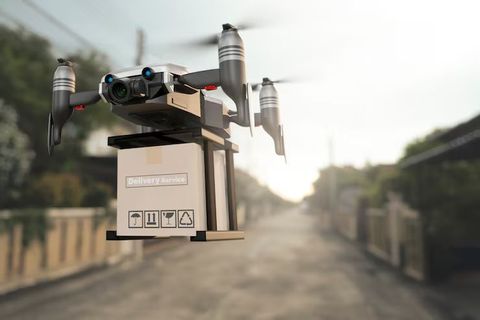
In early 2025, smart robotics and autonomous systems continued integrating more advanced AI sensor technologies. Industrial robots, warehouse automation systems, and autonomous delivery platforms are increasingly using intelligent vision sensors, motion detection systems, and environmental mapping technologies to navigate complex environments more accurately. Sensor fusion systems combining multiple sensor types are also becoming more important in advanced automation platforms.
Another important development involves sustainability and energy optimization through AI-driven monitoring systems. Smart buildings, industrial facilities, and energy networks increasingly use AI sensors to manage power consumption, detect inefficiencies, and optimize operational performance automatically. Environmental monitoring systems using AI analysis are also expanding to support air quality tracking, climate observation, and resource management initiatives internationally.
At the same time, cybersecurity and ethical AI governance have become more important within intelligent sensor ecosystems. Organizations are placing greater emphasis on secure data handling, transparent automation systems, and responsible AI deployment because connected sensors often process sensitive operational or personal information. These ongoing developments make it easier to compare alternative AI sensor technologies and understand how intelligent systems support modern automation and digital infrastructure management.
Comparison Table
The table below compares several common AI sensor technologies and their operational characteristics. These comparison factors matter globally because different industries require different balances of intelligence, speed, environmental adaptability, and automation capability.
| AI Sensor Type | Main Application | Key Advantage | Limitation | Typical Industry Use |
|---|---|---|---|---|
| Vision AI Sensors | Object recognition | Advanced image analysis | High processing demand | Robotics and security |
| Predictive Maintenance Sensors | Equipment monitoring | Early fault detection | Data training dependency | Manufacturing |
| Smart Temperature Sensors | Environmental control | Automated adjustments | Calibration requirements | Smart buildings |
| LiDAR AI Sensors | Spatial mapping | High positional accuracy | Expensive deployment | Autonomous systems |
| Biosensor AI Systems | Health diagnostics | Real-time biological analysis | Specialized usage | Healthcare |
| Motion AI Sensors | Movement tracking | Fast automation response | Environmental interference | Industrial automation |
| Acoustic AI Sensors | Sound pattern analysis | Anomaly detection support | Noise sensitivity | Machinery monitoring |
| Gas Detection AI Sensors | Hazard monitoring | Automated safety alerts | Maintenance needs | Industrial safety |
| Agricultural AI Sensors | Crop monitoring | Resource optimization | Weather dependency | Smart farming |
| Multi-Sensor Fusion Systems | Integrated automation | Enhanced accuracy | System complexity | Advanced robotics |
The comparison table shows that AI sensor systems are designed for highly specialized operational priorities. Some focus on autonomous navigation and image recognition, while others emphasize predictive analysis, safety monitoring, or environmental optimization. Understanding these distinctions creates an important transition into regulations and practical technology guidance.
Regulations & Practical Guidance
In most countries, AI sensor systems are regulated under broader electronic safety, industrial automation, cybersecurity, and data protection standards. Regulatory authorities globally generally require connected sensor technologies to meet operational requirements related to reliability, communication security, and safe system integration. Industries using AI sensors in healthcare, transportation, or industrial automation environments often operate under stricter certification and testing procedures because system failures may directly affect safety and operational continuity.
International technology standards also commonly require organizations to follow responsible AI governance practices, data protection guidelines, and operational transparency principles. Many jurisdictions apply rules concerning secure data transmission, electronic safety compliance, and automated decision-making systems because intelligent sensors frequently interact with sensitive operational environments. Proper monitoring and software maintenance are especially important for connected AI systems operating in critical infrastructure or healthcare settings.
Another important practical consideration involves selecting AI sensor technologies based on operational goals and environmental conditions. Engineers and technology specialists globally emphasize evaluating factors such as processing speed, power consumption, communication compatibility, environmental exposure, and cybersecurity support before deploying intelligent sensor systems. Organizations are also encouraged to maintain regular software updates, calibration procedures, and performance reviews to improve long-term system reliability.
Which Option Suits Your Situation?
A manufacturing facility focused on reducing equipment downtime may benefit most from predictive maintenance sensors and acoustic AI monitoring systems designed to identify mechanical issues before operational failures occur. These technologies are commonly associated with industrial efficiency improvement.
A smart transportation or robotics project may require LiDAR sensors, vision AI systems, and sensor fusion platforms capable of supporting navigation, obstacle detection, and environmental mapping in dynamic operating conditions.
A healthcare organization or wearable technology developer may benefit from biosensor AI systems designed for continuous monitoring, health analytics, and real-time patient data interpretation under controlled conditions.
An agricultural or environmental monitoring project may prefer smart climate sensors and AI-powered resource monitoring systems designed to improve irrigation efficiency, weather tracking, and environmental sustainability management. These operational considerations naturally connect to the tools and technology resources available for intelligent automation planning today.
Tools & Resources
Several globally accessible technology resources can help businesses and technical professionals better understand AI sensor technologies, automation systems, and intelligent monitoring infrastructure.
TensorFlow Learning Resources — provide educational materials related to machine learning, AI integration, and intelligent system development.
Arduino AI Sensor Projects — explain connected sensor design concepts and smart automation workflows for educational and technical projects.
MATLAB Simulation Tools — support predictive analytics, engineering simulations, and sensor data analysis for intelligent monitoring systems.
NVIDIA AI Development Platforms — assist developers with edge computing, robotics, and AI-powered visual processing technologies.
IoT Cloud Platforms — help organizations manage connected sensor devices, automation infrastructure, and real-time monitoring systems.
Industrial Automation Publications — provide educational insights related to robotics, predictive maintenance, and intelligent manufacturing trends.
Cybersecurity Awareness Resources — explain secure data handling practices and connected device protection strategies for AI-based systems.
These resources support stronger operational planning and informed technology decisions, which naturally leads into the most common questions people ask about alternative AI sensor technologies and advanced automation systems.
Frequently Asked Questions
What are AI sensor technologies?
AI sensor technologies combine traditional sensing systems with artificial intelligence and machine learning capabilities. These systems can analyze collected data, identify patterns, detect anomalies, and support automated decision-making processes in real time across industrial, healthcare, transportation, and smart infrastructure applications.
Who benefits most from AI sensor systems?
Manufacturing facilities, healthcare providers, transportation networks, agricultural operations, smart city planners, and automation developers often benefit significantly from AI sensor technologies. These systems help improve efficiency, predictive analysis, operational safety, and intelligent automation within complex digital environments.
Are AI sensor systems regulated internationally?
In many regions globally, AI sensor technologies are regulated under broader electronic safety, cybersecurity, automation, and data protection standards. Organizations using intelligent sensors in critical environments are generally expected to follow operational guidelines related to reliability, secure communication, and responsible AI deployment practices.
Are AI sensors completely autonomous?
A common misconception is that AI sensors operate entirely independently without requiring monitoring or maintenance. In reality, intelligent sensors still require calibration, software updates, cybersecurity management, and performance evaluation to maintain accuracy and reliable operational performance over time.
When should an organization upgrade AI sensor systems?
Organizations may consider upgrading AI sensor systems when older technologies cannot support real-time analysis, predictive monitoring, advanced automation integration, or cybersecurity requirements. Modern systems may improve efficiency, data processing speed, operational reliability, and intelligent decision-making capabilities.
Conclusion
Alternative AI sensor technologies play a major role in modern automation and intelligent infrastructure because they combine real-time monitoring with advanced data analysis and automated decision-making capabilities. The most important takeaway is that different AI sensor systems are designed for different operational priorities, including predictive maintenance, environmental monitoring, autonomous navigation, and healthcare diagnostics. Proper system selection and maintenance help improve efficiency, safety, and long-term operational performance.
For most organizations, the best approach involves evaluating automation goals, environmental conditions, cybersecurity requirements, and integration compatibility before selecting intelligent sensor technologies. Businesses that prioritize responsible AI deployment, predictive monitoring, and secure system management generally position themselves more effectively for long-term technological growth.
As artificial intelligence and connected infrastructure continue evolving globally, future AI sensor technologies will likely become even more adaptive, energy-efficient, and integrated with advanced edge computing and real-time automation systems.