Air Bubble Pouch Making Machine Explained: Explore Guide, Tips, Insights, Knowledge, Facts, and Helpful Resources
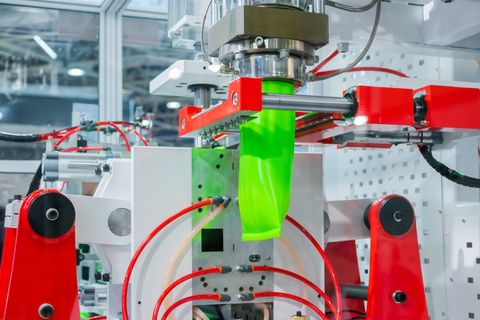
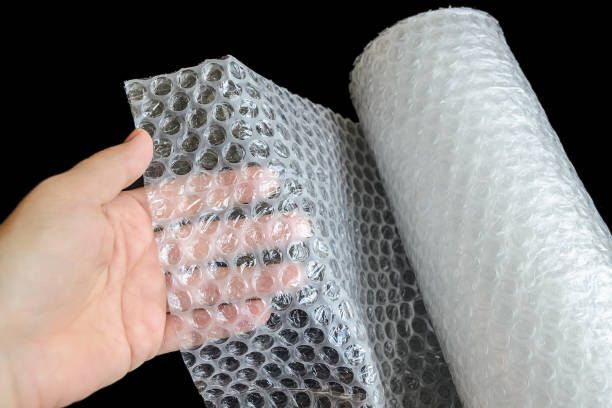
Air bubble pouches are widely used protective packaging materials designed to help reduce damage during storage, transportation, and handling. An air bubble pouch making machine is specialized industrial equipment used to manufacture these protective pouches by processing plastic films and creating air-filled cushioning structures.
As global logistics, e-commerce packaging, industrial packaging systems, and supply chain operations continue to expand, the demand for efficient packaging technology has increased. Understanding how air bubble pouch making machines work can help readers learn about modern packaging manufacturing processes and the role these systems play in product protection.
What Is an Air Bubble Pouch Making Machine?
An air bubble pouch making machine is a manufacturing system that produces air-cushioned pouches from plastic film materials. These pouches contain trapped air pockets that act as protective barriers against vibration, impact, and compression during shipping and handling.
The machine typically combines several functions:
- Film feeding
- Air bubble formation
- Heat sealing
- Pouch cutting
- Quality inspection
- Automated production control
The primary objective is to create consistent cushioning materials that can help protect products ranging from electronics and medical devices to fragile consumer goods.
How Air Bubble Pouch Production Works
The manufacturing process generally follows several stages.
| Production Stage | Purpose |
|---|---|
| Film Unwinding | Feeds raw film material into the machine |
| Bubble Formation | Creates air-filled chambers |
| Heat Sealing | Seals air pockets securely |
| Pouch Shaping | Forms pouch dimensions |
| Cutting Process | Produces finished pouches |
| Inspection | Checks quality and consistency |
Importance of Air Bubble Pouch Making Machines
Protective packaging has become increasingly important in modern supply chains. Air bubble pouch making machines help manufacturers produce packaging materials that support safe transportation and storage.
Industries that commonly use air bubble pouch packaging include:
- E-commerce fulfillment
- Electronics manufacturing
- Medical equipment distribution
- Automotive parts logistics
- Industrial machinery packaging
- Consumer goods transportation
The technology helps address several packaging challenges:
- Product breakage during transit
- Impact-related damage
- Excessive packaging weight
- Storage efficiency concerns
- Packaging consistency requirements
Benefits for Modern Manufacturing
Modern manufacturing facilities often rely on automated packaging systems to improve operational efficiency.
Key advantages include:
- Consistent pouch quality
- Automated production workflows
- Reduced material waste
- Enhanced packaging performance
- Improved production monitoring
- Better process control
These benefits contribute to broader manufacturing efficiency goals while supporting packaging quality standards.
Industry Applications
Air bubble pouch production equipment serves numerous industrial sectors.
| Industry | Common Packaging Needs |
| Electronics | Component protection |
| Healthcare | Device cushioning |
| Retail Distribution | Product shipping protection |
| Automotive | Spare parts packaging |
| Industrial Equipment | Transit protection |
| Consumer Products | Damage prevention |
Recent Updates and Industry Trends
The packaging machinery industry has experienced several notable developments during 2025 and 2026.
Manufacturers have increasingly integrated smart manufacturing technologies into packaging equipment. Advanced monitoring systems now provide real-time production data, helping operators track machine performance and production efficiency.
Another notable trend involves the growing use of recyclable packaging materials. Many packaging technology providers have introduced machine configurations capable of processing newer film materials designed to align with sustainability objectives.
Automation remains a significant focus area. Recent developments include:
- Digital production monitoring
- Predictive maintenance systems
- Energy-efficient heating technology
- Automated quality inspection
- Industrial Internet of Things (IIoT) integration
- Data-driven manufacturing analytics
The chart below illustrates major industry priorities observed across packaging machinery development.
| Industry Trend | Relative Industry Focus |
| Automation | Very High |
| Sustainability | Very High |
| Energy Efficiency | High |
| Smart Monitoring | High |
| Quality Control | High |
| Production Analytics | Growing |
Industry reports published throughout 2025 indicate continued investment in advanced packaging technology as organizations seek to improve logistics efficiency and reduce packaging-related product losses.
Environmental Considerations
Environmental concerns continue to influence packaging equipment development.
Key areas of focus include:
- Material optimization
- Reduced production waste
- Energy-efficient machinery
- Recyclable film compatibility
- Circular economy initiatives
Many manufacturers are exploring methods to reduce packaging material consumption while maintaining protective performance standards.
Laws, Regulations, and Government Policies
Packaging equipment and packaging materials are affected by various regulations that differ by country and region.
Common regulatory areas include:
- Industrial safety requirements
- Machinery operation standards
- Workplace health regulations
- Environmental compliance rules
- Plastic waste management policies
- Product packaging standards
In many jurisdictions, packaging manufacturers must follow machinery safety guidelines covering:
- Emergency stop systems
- Operator protection mechanisms
- Electrical safety requirements
- Industrial maintenance procedures
Environmental regulations increasingly focus on:
- Packaging waste reduction
- Recycling targets
- Sustainable material usage
- Extended producer responsibility programs
Organizations involved in packaging production often monitor updates from environmental agencies, manufacturing authorities, and industrial standards organizations to maintain compliance.
Helpful Tools and Resources
Several tools and resources can help individuals understand air bubble pouch manufacturing technology and packaging processes.
Useful resources include:
- Packaging material calculators
- Manufacturing efficiency calculators
- Production planning templates
- Industrial maintenance checklists
- Quality control inspection forms
- Sustainability assessment tools
Educational resources commonly include:
- Packaging engineering publications
- Manufacturing technology journals
- Industrial automation guides
- Supply chain management resources
- Packaging standards documentation
Helpful software categories include:
- Manufacturing Resource Planning (MRP)
- Enterprise Resource Planning (ERP)
- Production Monitoring Systems
- Industrial Analytics Platforms
- Quality Management Software
- Predictive Maintenance Applications
Key Technical Factors
When evaluating air bubble pouch manufacturing technology, several technical factors are commonly discussed.
These include:
- Production speed
- Sealing consistency
- Film compatibility
- Automation capability
- Energy consumption
- Maintenance requirements
- Process stability
- Quality monitoring systems
Understanding these factors helps provide insight into how industrial packaging equipment operates within modern manufacturing environments.
Frequently Asked Questions
What is the primary function of an air bubble pouch making machine?
The primary function is to produce protective air-filled pouches that help cushion products during storage, transportation, and handling.
Which industries commonly use air bubble pouch packaging?
Industries such as electronics, healthcare, automotive, retail distribution, logistics, and industrial manufacturing frequently use air bubble pouch packaging.
Are modern air bubble pouch machines automated?
Many modern systems incorporate automation features such as digital controls, production monitoring, automated cutting, and quality inspection technologies.
How do air bubble pouches help protect products?
The trapped air inside the pouch absorbs shock and reduces the impact of vibrations, compression, and handling-related stress during transportation.
Why is sustainability becoming important in packaging manufacturing?
Growing environmental awareness and regulatory requirements have encouraged manufacturers to explore recyclable materials, waste reduction strategies, and energy-efficient production methods.
Conclusion
Air bubble pouch making machines play an important role in modern packaging manufacturing by producing protective cushioning materials used across numerous industries. As global logistics networks continue to expand, demand for reliable packaging solutions remains significant.
Recent developments in automation, smart manufacturing, sustainability initiatives, industrial analytics, packaging technology, manufacturing software, quality control systems, and supply chain optimization continue to shape the evolution of this equipment. Understanding the fundamentals of air bubble pouch production helps provide valuable insight into how modern packaging systems support product protection, operational efficiency, and industrial manufacturing processes.
As regulations, environmental priorities, and technological innovation continue to evolve, air bubble pouch manufacturing technology is expected to remain an important component of the broader packaging and logistics ecosystem.