Accommodation in Singapore Explained: Hotel Types, Luxury Resorts, Serviced Apartments, Popular Locations and Hospitality Services
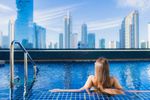
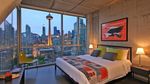
Accommodation in Singapore includes a wide range of hospitality options designed for tourists, business travellers, families, students, and long-term visitors. These options include luxury hotels, budget hotels, boutique properties, serviced apartments, hostels, and resort-style accommodation. Singapore's hospitality industry is closely connected to its international tourism sector, business environment, and position as a major travel and commercial destination in Southeast Asia.
Over the years, Singapore has developed a diverse accommodation market supported by international hotel groups, independent hospitality operators, and residential accommodation providers. Its tourism infrastructure includes hotels near commercial districts, properties close to public transport, and resorts located around leisure destinations such as Sentosa Island.
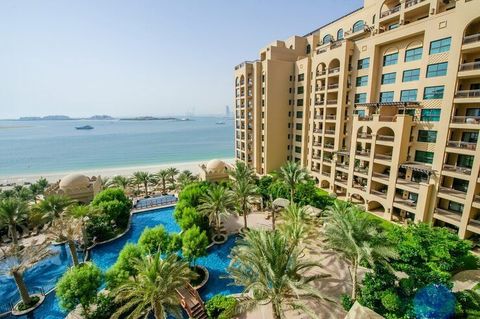
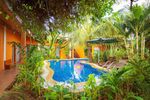
Sentosa is a leisure destination featuring resorts, beaches, entertainment attractions, and family-oriented facilities. Its accommodation options include resort hotels and properties near recreational attractions.
Chinatown and Little India
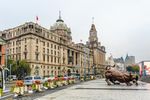
Chinatown and Little India provide access to cultural attractions, traditional markets, restaurants, and public transport. These districts also have boutique hotels, budget properties, and hostels.
Bugis and Kampong Glam
These neighbourhoods combine shopping, dining, cultural attractions, and accommodation options. They are convenient for visitors interested in exploring Singapore's heritage districts and central areas.
Hospitality Facilities and Technologies in Singapore Hotels
Modern accommodation providers use different technologies and facilities to manage guest experiences and property operations.
Common hospitality features include:
Digital Check-in: Electronic registration and check-in systems.
Smart Room Controls: Digital systems for lighting, air conditioning, and selected room functions.
Property Management Systems (PMS): Software for reservations, room allocation, housekeeping, and guest records.
Online Booking Platforms: Websites and applications for comparing accommodation and managing reservations.
Guest Communication Systems: Digital platforms for handling enquiries and accommodation-related requests.
Sustainability Technologies: Energy-efficient lighting, water management, and waste reduction systems.
These technologies support hotel operations while helping properties manage changing visitor expectations.
Singapore Accommodation Regulations and Government Oversight
Singapore has established regulations governing hotel operations, residential property use, and temporary accommodation. These rules help maintain safety, appropriate land use, and standards within the hospitality industry.
The Singapore Tourism Board (STB) and Hotels Licensing Board (HLB) oversee relevant aspects of the hotel industry. Under the Hotels Act 1954, hotels operating within the applicable licensing framework must hold the required licence.
The Urban Redevelopment Authority (URA) also establishes planning requirements for hotels and serviced apartments.
Important accommodation rules include:
Hotel Licensing: Applicable hotel operators must comply with licensing requirements.
Private Residential Rentals: Private residential properties must generally be rented for at least three consecutive months.
Serviced Apartments: Standard serviced apartments have a minimum permitted stay of seven days.
Long-Stay Accommodation: Serviced Apartments II (SA2) have a minimum stay requirement of three months.
Property Use: Accommodation developments must comply with applicable planning and land-use requirements.
These regulations are important for travellers, property operators, investors, and hospitality businesses.
Recent Developments in Singapore's Hospitality Industry, 2024–2026
Singapore's accommodation industry continues to evolve through digital technology, sustainability initiatives, changing visitor preferences, and new accommodation concepts.
Some notable developments include:
Digital Hospitality: Hotels are increasingly incorporating digital check-in, electronic payment systems, and technology-enabled guest communication.
Sustainable Accommodation: Hospitality operators are paying greater attention to energy efficiency, water conservation, waste management, and environmentally responsible operations.
Long-Stay Accommodation: Serviced apartments and flexible residential-style accommodation remain relevant for international professionals, relocating families, and extended business visits.
New Accommodation Concepts: Singapore has introduced the Serviced Apartments II pilot framework, creating another regulated accommodation category for longer stays.
Accessibility and Inclusion: Hospitality businesses are placing greater emphasis on accessible facilities and accommodation arrangements for visitors with different mobility requirements.
Useful Websites and Platforms for Finding Accommodation in Singapore
Travellers can use several digital platforms to research accommodation, compare property facilities, and understand local travel arrangements.
Booking.com – Provides hotel listings, accommodation information, and reservation management.
Agoda – Features hotels, apartments, and other accommodation categories.
Trip.com – Provides accommodation information and travel planning facilities.
Airbnb – Provides accommodation listings, subject to Singapore's residential rental regulations.
Visit Singapore – Official tourism information, attractions, and travel guidance.
Urban Redevelopment Authority – Provides information about property planning and accommodation regulations.
Singapore Tourism Board – Provides tourism industry information and hospitality updates.
These platforms provide different types of travel information. Travellers should verify property details, location, accommodation conditions, and applicable booking policies before making arrangements.
Frequently Asked Questions About Accommodation in Singapore
1. What types of accommodation are available in Singapore?
Singapore offers luxury hotels, business hotels, boutique hotels, budget hotels, hostels, serviced apartments, and resort accommodation. Each category has different facilities and minimum-stay requirements.
2. Which areas are popular for hotel accommodation in Singapore?
Marina Bay, Orchard Road, Sentosa, Chinatown, Bugis, and Little India are popular accommodation districts. Each area provides different access to shopping, business facilities, cultural attractions, and entertainment.
3. What is the difference between hotels and serviced apartments in Singapore?
Hotels generally provide short-term lodging with facilities such as housekeeping and reception. Serviced apartments combine residential-style spaces, kitchen facilities, and selected hospitality facilities, with a standard minimum stay of seven days.
4. Are luxury resorts available in Singapore?
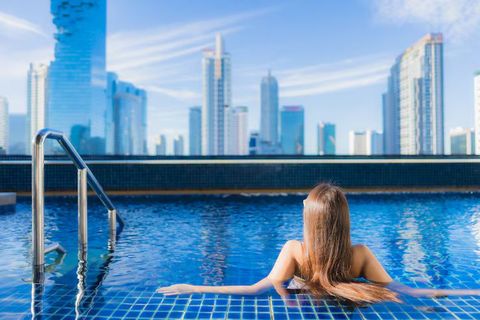
Yes. Singapore has resort properties, particularly on Sentosa Island, with accommodation, restaurants, leisure facilities, swimming pools, and access to entertainment attractions.
5. What are the regulations for short-term accommodation in Singapore?
Hotels must follow applicable licensing requirements. Private residential properties generally require a minimum rental period of three consecutive months, while approved standard serviced apartments have a seven-day minimum stay.
Conclusion
Accommodation in Singapore includes luxury hotels, business properties, serviced apartments, boutique hotels, budget accommodation, and leisure resorts. Popular locations such as Marina Bay, Orchard Road, Sentosa, Chinatown, and Bugis provide different experiences for international visitors. Digital hospitality systems, sustainable operations, and extended-stay accommodation are influencing the industry's development. Licensing requirements and residential rental regulations remain important considerations for visitors and accommodation operators.