Waterfront Vacation Homes Florida: Practical Advice, Resources & Ideas
Discover practical information about waterfront vacation homes in Florida, including location insights, regulations, market trends, planning resources, and helpful tips for travelers and property researchers.
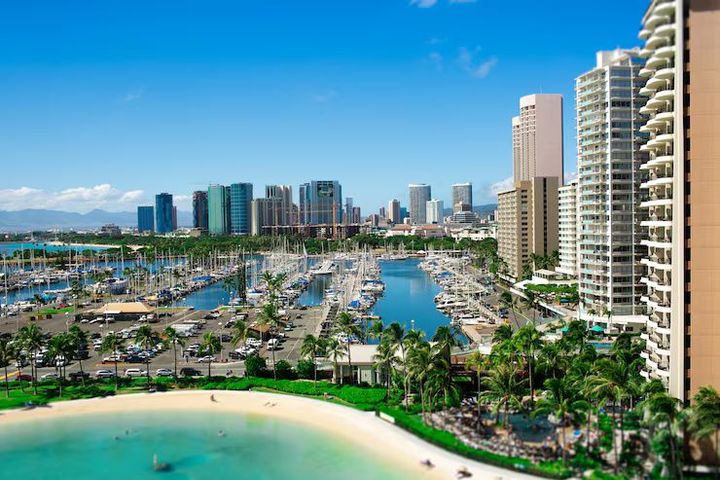
Waterfront vacation homes in Florida are residential properties located near the ocean, bays, rivers, canals, lakes, or the Gulf Coast that are commonly used for seasonal stays and leisure travel. Florida is known for its warm climate, extensive coastline, and diverse waterfront communities, making these homes popular among families, retirees, travelers, and property researchers.
People often explore Florida waterfront homes, coastal vacation properties, beachfront real estate, luxury waterfront residences, and vacation home investment trends to better understand different locations and lifestyle options. Every waterfront region has unique environmental conditions, community features, and local planning requirements that influence long-term property use.
Importance
Why Waterfront Vacation Homes Matter Today
Florida continues to attract domestic and international visitors because of its year-round outdoor lifestyle. Waterfront vacation homes support tourism while also encouraging interest in sustainable coastal living and long-term community planning.
These properties matter because they help people:
- Compare different coastal environments.
- Understand weather and flood considerations.
- Learn about shoreline conservation.
- Explore seasonal housing patterns.
- Plan responsibly for future maintenance needs.
| Key Factor | Why It Matters |
|---|---|
| Waterfront Location | Access to beaches, rivers, or lakes |
| Flood Awareness | Helps prepare for changing weather conditions |
| Community Planning | Supports organized coastal development |
| Environmental Protection | Encourages responsible shoreline management |
| Property Research | Improves long-term planning decisions |
Interest in Florida luxury homes, waterfront real estate market, vacation property planning, and coastal living insights continues to grow as people seek reliable information before making future decisions.
Recent Updates
Trends During the Past Year
Throughout 2025 and early 2026, several developments influenced Florida's waterfront housing landscape.
Growing attention has been placed on climate resilience. Many coastal communities have continued improving drainage systems, shoreline protection projects, and flood resilience planning.
Digital mapping tools have also become more detailed, allowing users to review elevation information, flood zones, shoreline changes, and neighborhood planning data before exploring waterfront areas.
Another noticeable trend has been increasing interest in sustainable construction methods. Energy-efficient building materials, elevated foundations, storm-resistant windows, and improved roofing systems continue gaining attention across many waterfront communities.
These developments reflect a broader focus on environmental preparedness rather than rapid expansion.
Florida Waterfront Trends Overview
| Trend | Current Direction |
| Climate Resilience | Increasing |
| Flood Mapping Technology | Improving |
| Sustainable Building | Growing |
| Coastal Planning | Expanding |
| Environmental Awareness | Higher than previous years |
Laws or Policies
Regulations That Affect Waterfront Properties
Waterfront homes in Florida are influenced by local, state, and federal regulations designed to balance development with environmental protection.
Important policy areas include:
- Flood zone classifications.
- Coastal construction guidelines.
- Wetland protection requirements.
- Hurricane-resistant building standards.
- Shoreline conservation programs.
- Local zoning and land-use regulations.
Communities located near beaches, rivers, or protected coastal ecosystems may have additional planning requirements before construction or renovation activities are approved.
Environmental policies also encourage responsible water management and habitat conservation to reduce long-term coastal risks.
Tools and Resources
Helpful Planning Resources
Several general resources can help people better understand waterfront vacation homes without focusing on commercial transactions.
Useful resources include:
- Interactive flood zone maps.
- Weather and hurricane tracking tools.
- Coastal elevation calculators.
- Property tax information portals.
- Community zoning maps.
- Building code guidance documents.
- Shoreline erosion information.
- Hurricane preparedness checklists.
- Home maintenance planning templates.
These educational resources help individuals understand environmental conditions and planning considerations before exploring different Florida waterfront locations.
Planning Workflow
Choose Region
       ↓
Review Flood Maps
       ↓
Study Local Regulations
       ↓
Compare Community Features
       ↓
Understand Weather Risks
       ↓
Prepare Long-Term Maintenance Plan
FAQs
What makes a waterfront vacation home different from a standard vacation home?
A waterfront vacation home is located beside an ocean, lake, river, canal, or bay, providing direct or nearby water access and unique environmental considerations.
Why are flood maps important?
Flood maps help people understand potential water-related risks, insurance zones, and community planning requirements before selecting a location.
Are coastal building rules the same throughout Florida?
No. Building standards, zoning regulations, and environmental requirements vary between counties and municipalities.
How has climate awareness affected waterfront communities?
Many communities now emphasize resilient construction, shoreline protection, drainage improvements, and environmental conservation to improve long-term sustainability.
What information should people research first?
Location characteristics, weather history, flood zones, community regulations, transportation access, and environmental conditions are useful starting points.
Conclusion
Waterfront vacation homes in Florida continue attracting attention because they combine scenic environments with unique planning considerations. Understanding coastal regulations, environmental conditions, flood awareness, and community development helps individuals make informed decisions while appreciating Florida's diverse waterfront regions.
As climate resilience and sustainable planning become increasingly important, reliable information remains valuable for anyone interested in learning about waterfront living. Careful research, awareness of local regulations, and responsible environmental practices contribute to better long-term outcomes for both communities and waterfront properties.
Disclaimer
This article is intended for educational and informational purposes only. Regulations, planning requirements, and environmental conditions may change over time. Readers should review the latest guidance from relevant local and state authorities before making decisions related to waterfront properties.