Warehouse Automation Systems Explained: Explore Guide, Tips, Insights, Facts, Knowledge, and Helpful Resources
Warehouse automation systems refer to technologies and processes that help warehouses perform tasks with minimal manual intervention. These systems use software, sensors, robotics, data analytics, and automated equipment to support the movement, storage, tracking, and management of goods.
Warehouses have traditionally relied on manual labor for inventory handling, order processing, and transportation within facilities. As supply chains expanded and consumer expectations changed, organizations began exploring more efficient ways to manage increasing inventory volumes and complex logistics operations.
Warehouse automation exists to improve operational consistency, reduce repetitive tasks, increase visibility across inventory, and support faster order fulfillment. Modern systems range from basic barcode scanning solutions to advanced warehouse robotics and automated storage technologies.
Many industries utilize warehouse automation, including manufacturing, retail, healthcare, food distribution, e-commerce, automotive, and consumer goods sectors.
Key Components of Warehouse Automation
The following technologies are commonly found in automated warehouse environments:
| Technology | Primary Function |
|---|---|
| Warehouse Management Systems (WMS) | Inventory tracking and workflow management |
| Automated Storage and Retrieval Systems (ASRS) | Automated storage and item retrieval |
| Robotics Systems | Picking, sorting, and transportation tasks |
| Barcode and RFID Technology | Product identification and tracking |
| Conveyor Systems | Movement of goods within facilities |
| Artificial Intelligence Tools | Demand forecasting and optimization |
| Internet of Things Sensors | Real-time monitoring and data collection |
Why Warehouse Automation Systems Matter
Warehouse automation has become increasingly important because global supply chains are handling larger product volumes and more complex distribution networks.
Organizations often face challenges such as inventory inaccuracies, operational delays, limited warehouse space, and increasing customer expectations. Automated warehouse technology helps address these challenges through improved tracking, data visibility, and process efficiency.
Several groups are affected by warehouse automation systems:
- Warehouse operators and managers
- Supply chain professionals
- Manufacturers
- Retail organizations
- Distribution centers
- Logistics providers
- Consumers who depend on timely deliveries
Benefits of Warehouse Automation
Warehouse automation can contribute to:
- Improved inventory accuracy
- Better warehouse space utilization
- Enhanced operational visibility
- Faster order processing
- Reduced manual handling requirements
- More consistent workflow management
- Improved data-driven decision making
Warehouse Automation and Supply Chain Performance
The relationship between warehouse automation and supply chain automation continues to strengthen.
Inventory Data
       ↓
Warehouse Management System
       ↓
Automated Processing
       ↓
Inventory Tracking
       ↓
Order Fulfillment
       ↓
Distribution Network
This connected workflow enables better coordination between inventory management software, transportation systems, and distribution operations.
Recent Updates and Industry Trends
The warehouse automation industry has experienced notable developments during 2025 and early 2026.
Artificial intelligence integration has expanded significantly across warehouse management systems. AI-powered analytics are increasingly used to predict inventory requirements, optimize storage locations, and identify operational bottlenecks.
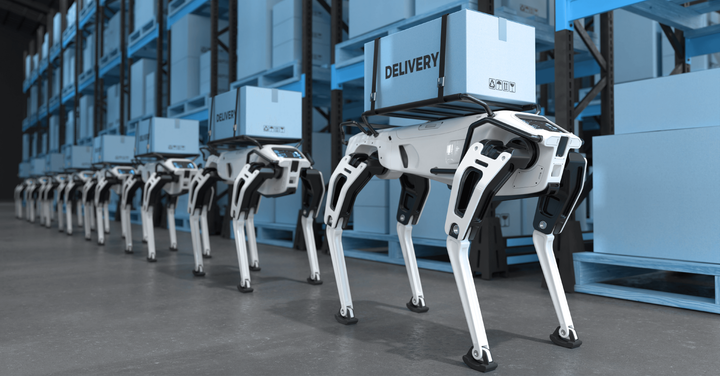
Autonomous mobile robots (AMRs) have gained broader adoption in distribution facilities. These robots can navigate warehouse environments while transporting inventory between storage and processing areas.
Cloud-based warehouse management platforms have also become more common. These systems allow organizations to access operational information through centralized dashboards and real-time reporting tools.
Another notable trend during 2025 has been the increased use of digital twins. Digital twin technology creates virtual representations of warehouse environments, helping managers simulate workflow changes before implementing them.
Sustainability initiatives have also influenced warehouse operations. Many facilities are incorporating energy-efficient automation equipment, smart lighting systems, and resource-monitoring technologies.
Industry analysts have reported continued investment in logistics technology and industrial automation systems throughout 2025, particularly in sectors facing growing inventory complexity and fulfillment demands.
Emerging Technologies Shaping Future Warehouses
Several technologies are expected to influence future warehouse operations:
| Emerging Technology | Potential Application |
| Artificial Intelligence | Predictive inventory planning |
| Machine Learning | Workflow optimization |
| Computer Vision | Automated inspection processes |
| Digital Twins | Facility simulation and analysis |
| Edge Computing | Faster local data processing |
| Advanced Robotics | Complex handling operations |
| Predictive Analytics | Demand forecasting |
Laws, Regulations, and Policy Considerations
Warehouse automation systems operate within regulatory environments that vary by country and industry.
Occupational safety regulations often influence how automated machinery, robotics systems, and conveyor equipment are installed and operated. Facilities generally must ensure safe interaction between employees and automated equipment.
Data protection and cybersecurity requirements have become increasingly important because warehouse management systems frequently process operational and inventory information through cloud-based platforms.
Organizations may also need to comply with:
- Workplace safety standards
- Equipment certification requirements
- Electrical system regulations
- Data privacy laws
- Environmental sustainability guidelines
- Industry-specific compliance frameworks
Government programs in some regions encourage digital transformation and industrial modernization through technology adoption initiatives, research funding, and innovation support programs.
As automation technologies evolve, regulatory agencies continue updating guidance related to artificial intelligence applications, robotics deployment, and cybersecurity practices within industrial environments.
Helpful Tools and Resources
Various tools support warehouse automation planning, implementation, and management.
Warehouse Management Platforms
Warehouse management systems help organizations monitor inventory levels, track product movement, and analyze operational performance.
Common capabilities include:
- Inventory visibility
- Reporting dashboards
- Order management
- Performance monitoring
- Demand forecasting
Supply Chain Analytics Tools
Analytics platforms provide insights into warehouse performance and supply chain efficiency through data visualization and reporting features.
Useful metrics include:
- Inventory turnover
- Order accuracy
- Fulfillment speed
- Storage utilization
- Workflow productivity
RFID and Barcode Solutions
RFID and barcode technologies remain important resources for inventory identification and tracking.
Benefits include:
- Real-time inventory updates
- Improved product visibility
- Reduced manual data entry
- Enhanced tracking accuracy
Simulation and Digital Twin Software
Simulation platforms allow organizations to evaluate warehouse layouts and operational workflows before making physical changes.
These tools can help analyze:
- Storage capacity
- Traffic flow
- Equipment utilization
- Process efficiency
Educational Resources
Professionals seeking additional knowledge often explore:
- Supply chain research publications
- Logistics industry reports
- Industrial automation guides
- Warehouse technology webinars
- Academic studies on logistics technology
Common Challenges in Warehouse Automation
Although automation offers many advantages, implementation may involve challenges.
Some common considerations include:
- System integration complexity
- Workforce training requirements
- Cybersecurity management
- Data quality maintenance
- Equipment maintenance planning
- Scalability considerations
Organizations often evaluate these factors carefully when developing long-term automation strategies.
Frequently Asked Questions
What is a warehouse automation system?
A warehouse automation system is a combination of technologies, software, and equipment designed to automate inventory handling, tracking, storage, and operational processes within a warehouse environment.
How does warehouse management software support automation?
Warehouse management software helps coordinate inventory movement, monitor stock levels, generate reports, optimize workflows, and provide real-time operational visibility.
Are warehouse robotics replacing human workers?
Warehouse robotics primarily assist with repetitive, physically demanding, or highly repetitive tasks. Human oversight, decision-making, maintenance, and management remain important parts of warehouse operations.
What industries use warehouse automation?
Industries commonly using warehouse automation include manufacturing, retail, healthcare, consumer goods, automotive, food distribution, and logistics services.
What are the most important trends in warehouse automation today?
Current trends include artificial intelligence integration, autonomous mobile robots, cloud-based warehouse management systems, predictive analytics, digital twins, and sustainability-focused technologies.
Conclusion
Warehouse automation systems have become an important part of modern supply chain operations. By combining warehouse management software, robotics, inventory tracking technologies, and advanced analytics, organizations can improve visibility, consistency, and operational efficiency.
Recent developments in artificial intelligence, digital twin technology, and cloud-based logistics platforms continue to shape how warehouses operate. At the same time, safety regulations, cybersecurity requirements, and compliance standards remain important considerations.
As supply chains evolve and inventory management becomes more complex, warehouse automation systems are expected to play an increasingly significant role in supporting efficient and data-driven warehouse operations. Understanding the technologies, trends, regulations, and available resources can help individuals and organizations stay informed about this rapidly developing field.