Vending Machine Knowledge Hub: Automation, Consumer Convenience, and Industry Information
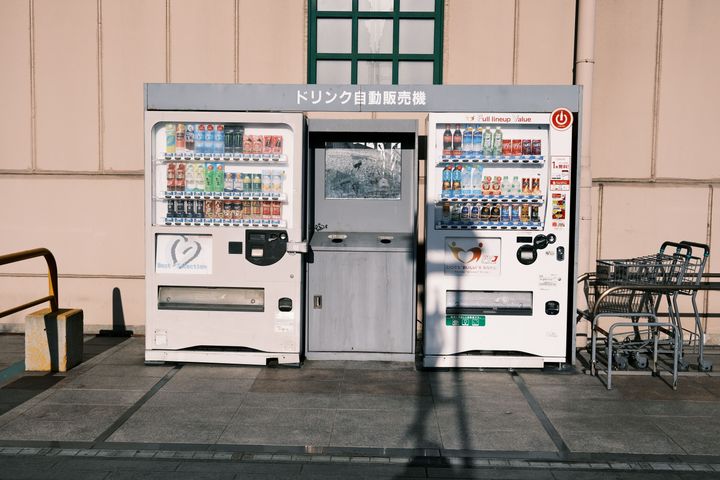
Vending machines are automated retail systems designed to dispense products or services with limited direct human interaction. Found in locations such as transportation hubs, offices, educational facilities, healthcare environments, retail centers, and public spaces, vending machines have become a recognizable component of modern convenience-based commerce.
Over the years, vending technology has evolved from simple mechanical dispensers into sophisticated automated systems that incorporate digital payments, inventory monitoring, remote management, and data analytics.
This guide explores vending machine technologies, automation concepts, consumer convenience trends, and industry developments from an educational perspective without promoting any specific machine, manufacturer, operator, or business opportunity.
Why Vending Machines Matter
Vending systems are often discussed within broader conversations about:
- Retail automation
- Self-service technology
- Consumer convenience
- Smart commerce
- Digital payments
- Inventory management
- Operational efficiency
- Connected devices
These systems demonstrate how automation can support product distribution in various environments.
What Is a Vending Machine?
A vending machine is generally an automated dispensing system that delivers products after a transaction or authorized interaction.
Common product categories may include:
- Packaged snacks
- Beverages
- Personal care items
- Consumer goods
- Electronics accessories
- Office supplies
- Specialty products
The types of products offered vary according to location, operator objectives, and consumer demand.
Core Components of Modern Vending Machines
Most modern vending systems contain several integrated technologies.
Common components include:
- Product storage compartments
- Dispensing mechanisms
- Payment systems
- User interfaces
- Inventory tracking modules
- Connectivity hardware
- Security systems
These components work together to support automated transactions.
Types of Vending Machines
| Machine Type | General Purpose |
|---|---|
| Snack Machines | Dispense packaged food products |
| Beverage Machines | Dispense drinks and refreshments |
| Combination Machines | Offer multiple product categories |
| Specialty Retail Machines | Dispense niche consumer products |
| Smart Vending Systems | Connected and data-enabled operations |
| Service Kiosks | Provide automated services or information |
Configurations vary significantly across industries and locations.
Automation in Vending Technology
Automation remains one of the defining characteristics of vending systems.
Examples include:
- Automated product dispensing
- Digital inventory tracking
- Remote monitoring
- Predictive maintenance systems
- Cashless transaction processing
- Automated reporting
These technologies help streamline operational processes.
Digital Payment Technologies
Payment innovation has significantly influenced vending machine development.
Modern systems may support:
- Contactless payments
- Mobile wallets
- QR-code transactions
- NFC technologies
- Card-based payments
- Digital transaction processing
Digital payment adoption continues shaping the self-service retail landscape.
Smart Vending and Connected Systems
Connected vending technologies are becoming increasingly common.
Features may include:
- Cloud-based management platforms
- Real-time inventory visibility
- Usage analytics
- Remote diagnostics
- Machine performance monitoring
- Automated alerts
These capabilities contribute to more data-driven operations.
Consumer Convenience Factors
Convenience is frequently cited as a major characteristic of vending systems.
Factors often discussed include:
- Accessibility
- Speed of service
- Extended availability
- Self-service operation
- Location flexibility
- Reduced transaction times
Consumer expectations continue influencing vending machine design and functionality.
Inventory Management Concepts
Inventory management plays an important role in vending operations.
Common considerations include:
- Product availability
- Stock monitoring
- Replenishment planning
- Demand forecasting
- Product rotation
- Performance analysis
Technology increasingly supports automated inventory tracking processes.
Data Analytics in Vending Operations
Data analytics is becoming a significant part of automated retail systems.
Areas commonly analyzed include:
- Product demand patterns
- Transaction activity
- Inventory movement
- Machine utilization
- Consumer behavior trends
- Operational performance metrics
Analytics tools support informed decision-making within automated retail environments.
Security and Machine Protection
Security considerations are important within vending technology.
Examples include:
- Secure payment processing
- Access control systems
- Physical security mechanisms
- Monitoring technologies
- Data protection practices
- Transaction verification systems
Security requirements vary according to operating environments and applicable regulations.
Sustainability and Environmental Considerations
Sustainability discussions increasingly influence vending technology development.
Common focus areas include:
- Energy-efficient equipment
- Smart power management
- Sustainable packaging considerations
- Waste reduction initiatives
- Resource optimization
- Equipment lifecycle management
Environmental considerations continue shaping innovation within the industry.
Examples of Industry Participants
The vending industry includes manufacturers, automation companies, technology providers, and payment solution developers.
Examples frequently referenced in industry discussions include:
These companies are mentioned solely as examples of organizations operating within the vending, automation, and payment technology industries. Their inclusion does not constitute endorsements, rankings, reviews, recommendations, or purchasing guidance.
Industry Trends (2025–2026)
Several developments continue influencing vending technology and automated retail.
Current trends include:
- Artificial intelligence integration
- Cashless payment adoption
- Smart inventory management
- Connected machine ecosystems
- Touchless interaction technologies
- Predictive maintenance systems
- Data-driven retail optimization
- Sustainable equipment design
These trends reflect broader developments in automation and retail technology.
Regulatory and Compliance Considerations
Vending operations may be influenced by various regulatory frameworks.
Examples include:
- Consumer protection requirements
- Product labeling regulations
- Payment security standards
- Accessibility guidelines
- Data privacy considerations
- Equipment safety requirements
Requirements vary according to jurisdiction, product category, and operating environment.
Educational Resources and Research Areas
Individuals interested in learning more about vending technologies may explore:
- Retail automation studies
- Smart commerce research
- Payment technology publications
- Industrial automation resources
- Consumer behavior analyses
- Supply chain management reports
- Self-service technology journals
- Connected device research
These resources provide insight into the evolving vending ecosystem.
Vending Technology Overview
| Topic | General Focus |
|---|---|
| Automation | Self-service operations |
| Payments | Digital transaction systems |
| Connectivity | Networked machine management |
| Inventory | Product tracking and replenishment |
| Analytics | Data-driven decision support |
| Sustainability | Resource efficiency initiatives |
Frequently Asked Questions
What is a vending machine?
A vending machine is an automated system designed to dispense products or services with minimal direct human involvement.
How have vending machines evolved over time?
Modern vending machines increasingly incorporate digital payments, remote monitoring, cloud connectivity, and data analytics technologies.
What is smart vending?
Smart vending generally refers to connected vending systems that utilize digital technologies for monitoring, management, and operational optimization.
Why are cashless payments important in vending machines?
Digital payment systems can support convenience, transaction flexibility, and modern consumer purchasing preferences.
What role does data analytics play in vending operations?
Analytics can help monitor inventory, understand usage patterns, evaluate performance, and support operational decision-making.
Conclusion
Vending machines continue to demonstrate how automation, digital technologies, and consumer convenience intersect within modern retail environments. From traditional product dispensers to connected smart vending ecosystems, these systems have evolved into sophisticated platforms that integrate payments, analytics, inventory management, and remote operations.
As artificial intelligence, smart commerce technologies, digital payments, and sustainability initiatives continue advancing throughout 2026 and beyond, vending machines remain an important example of innovation within automated retail and self-service technology sectors.
Disclaimer
This article is intended solely for informational and educational purposes. It does not provide business, investment, financial, legal, operational, technical, engineering, or professional advice. It does not promote, endorse, recommend, rank, review, compare, market, or encourage the purchase, operation, leasing, or investment in any vending machine, technology provider, manufacturer, payment platform, or business opportunity. Company names are included only as examples of organizations operating within the vending and automation industries. Readers should conduct independent research and consult qualified professionals regarding specific business, technical, operational, regulatory, or commercial decisions.