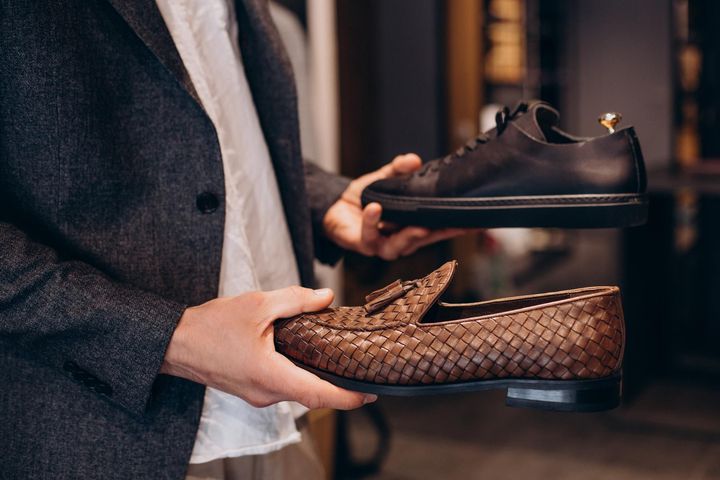
Top Men's Formal and Sports Shoes 2026 Basics – Learn About Footwear Construction, Comfort Technologies, Style Tips, Brand Insights, and Value-Focused Information
Men's footwear serves both functional and style-related purposes. Formal shoes are typically designed for professional environments, business meetings, ceremonies, and office wear, while sports shoes focus on comfort, support, movement, and athletic performance.
Understanding Men's Formal and Sports Footwear
Over time, footwear has evolved beyond basic protection for the feet. Modern shoes incorporate advanced materials, cushioning technologies, ergonomic designs, and specialized construction techniques to improve comfort and durability. Whether exploring affordable men's formal shoes for workplace settings or waterproof sports shoes men can wear during outdoor activities, understanding footwear fundamentals helps individuals make informed decisions.
The footwear industry continues to innovate through improved comfort systems, sustainable materials, and performance-focused engineering. Consumers today often prioritize fit, support, durability, and versatility alongside appearance.
Why Men's Footwear Matters Today
Footwear plays an important role in daily comfort, mobility, and foot health. The right shoe can help reduce fatigue, improve posture, and support long periods of walking or standing.
Modern lifestyles have increased demand for shoes that combine comfort and practicality. Many professionals seek formal shoes for office wear that remain comfortable throughout the workday, while active individuals often look for sports footwear that supports exercise and outdoor activities.
Several groups benefit from advancements in footwear technology:
- Office professionals
- Students
- Travelers
- Athletes
- Healthcare workers
- Hospitality employees
- Retail staff
- Individuals requiring orthopedic shoes for men
Proper footwear may help address common concerns such as:
| Common Challenge | Footwear Feature |
|---|---|
| Foot Fatigue | Cushioning Technology |
| Long Standing Hours | Arch Support Systems |
| Wet Conditions | Waterproof Materials |
| Workplace Dress Codes | Formal Shoe Designs |
| Joint Stress | Shock Absorption Features |
| Fit Issues | Men's Shoe Size Guide Tools |
As work environments and activity levels continue to evolve, footwear remains a critical component of everyday comfort and mobility.
Different Types of Men's Formal and Sports Shoes
Men's footwear categories vary based on purpose, construction, and design.
Oxford Shoes
Oxford shoes are among the most traditional formal footwear styles. They feature a closed-lacing system and are commonly worn in professional and ceremonial settings.
Derby Shoes
Derby shoes offer a slightly more relaxed design compared to Oxfords. Their open-lacing construction provides flexibility and comfort for various occasions.
Loafers
Loafers are slip-on formal shoes suitable for office environments and smart-casual settings. They are known for convenience and versatility.
Running Shoes
Running shoes are engineered with cushioning, shock absorption, and lightweight materials designed to support repetitive movement.
Training Shoes
Training shoes provide stability for gym workouts, cross-training activities, and general fitness routines.
Walking Shoes
Walking shoes focus on comfort, flexibility, and support, making them popular among individuals seeking the best shoes for standing all day.
Orthopedic Shoes
Orthopedic shoes for men are designed to support foot alignment, improve comfort, and accommodate specific foot structure requirements.
Waterproof Sports Shoes
Waterproof sports shoes men frequently use for outdoor activities feature moisture-resistant materials and protective construction suitable for varying weather conditions.
Benefits and Applications
Modern footwear technologies provide numerous practical benefits.
Enhanced Comfort
Advanced midsoles, cushioning systems, and ergonomic footbeds improve comfort during daily activities.
Improved Support
Arch support and stability technologies help distribute weight more evenly across the foot.
Better Durability
High-quality construction methods and materials contribute to longer-lasting footwear performance.
Workplace Versatility
Formal shoes for office wear can complement professional dress requirements while incorporating modern comfort features.
Outdoor Functionality
Waterproof sports shoes provide protection against moisture exposure during walking, training, and recreational activities.
The following chart illustrates key factors influencing footwear selection.
| Selection Factor | Relative Importance (%) |
| Comfort | 35 |
| Fit | 25 |
| Durability | 15 |
| Style | 15 |
| Weather Protection | 10 |
Common applications include:
- Business environments
- Corporate meetings
- Educational settings
- Fitness activities
- Travel
- Outdoor recreation
- Daily commuting
- Long-duration standing occupations
Top 5 Leading Provider Company Names
Several global brands continue to influence men's footwear through innovation, research, and product development.
- Nike
- Adidas
- Skechers
- Clarks
- ECCO
These brands contribute to advancements in comfort technologies, performance engineering, formal footwear design, and ergonomic innovation.
Recent Updates and Industry Trends
The men's footwear industry experienced several significant developments throughout 2025 and early 2026.
Sustainable Footwear Materials
Many footwear manufacturers expanded the use of recycled materials, plant-based components, and environmentally conscious manufacturing practices during 2025.
Advanced Cushioning Systems
New foam technologies and energy-return midsoles continued to improve comfort and impact absorption across sports footwear categories.
Smart Foot Measurement Technology
Digital sizing solutions became more common, helping consumers use men's shoe size guide tools supported by smartphone-based measurement systems.
Lightweight Construction Innovations
Manufacturers increasingly focused on reducing shoe weight while maintaining structural support and durability.
Hybrid Footwear Designs
The market saw growth in footwear that combines formal styling with athletic comfort technologies, reflecting changing workplace preferences.
These trends highlight growing interest in comfort, sustainability, and multifunctional design.
Laws and Policies Affecting Footwear
Footwear products are influenced by various regulations related to manufacturing, safety, consumer protection, and environmental standards.
Product Safety Regulations
Many countries require footwear manufacturers to comply with standards governing material safety and product quality.
Consumer Protection Requirements
Regulatory authorities often establish labeling requirements that provide information regarding materials, sizing, and product characteristics.
Environmental Policies
Sustainability initiatives increasingly encourage manufacturers to reduce waste and improve environmental performance.
Import and Trade Regulations
International footwear markets are influenced by trade policies, customs regulations, and product compliance standards.
Occupational Safety Standards
In certain industries, workplace regulations may require specific footwear characteristics such as slip resistance or protective construction.
These policies help support consumer awareness, product consistency, and safety expectations.
Helpful Tools and Resources
Several tools and educational resources can assist individuals when learning about men's footwear.
Digital Size Guides
- Interactive men's shoe size guide tools
- International size conversion charts
- Foot measurement applications
Foot Health Resources
- Arch assessment tools
- Walking analysis applications
- Footwear fit recommendations
Product Comparison Platforms
- Footwear feature comparison resources
- Material information databases
- Durability assessment guides
Style Planning Resources
- Formal footwear matching guides
- Business attire references
- Seasonal footwear planning templates
Educational Information Sources
- Footwear industry publications
- Sports equipment research reports
- Consumer product review resources
- Ergonomic footwear studies
The table below summarizes useful footwear resources.
| Resource Type | Purpose |
| Size Guide Tools | Improve fit accuracy |
| Foot Measurement Apps | Assess foot dimensions |
| Style References | Coordinate clothing choices |
| Product Comparison Resources | Evaluate shoe features |
| Industry Publications | Learn market trends |
Frequently Asked Questions
What are the best shoes for standing all day?
Shoes designed with cushioning, arch support, shock absorption, and ergonomic footbeds are commonly recommended for extended standing periods.
How often should men's shoes be replaced?
Replacement frequency varies depending on usage, activity level, materials, and maintenance. Signs of wear, reduced cushioning, and sole deterioration may indicate the need for replacement.
What is the difference between formal shoes and sports shoes?
Formal shoes prioritize professional appearance and structured design, while sports shoes focus on movement, cushioning, support, and athletic performance.
Why are men's shoe size guides important?
Accurate sizing helps improve comfort, reduce pressure points, and support proper foot alignment during daily activities.
What are orthopedic shoes for men designed for?
Orthopedic shoes are designed to provide additional support, improve comfort, and accommodate specific foot structures or mobility needs.
Conclusion
Men's formal and sports footwear continues to evolve through advancements in materials, comfort technologies, ergonomic design, and sustainability initiatives. Whether exploring affordable men's formal shoes, formal shoes for office wear, waterproof sports shoes men use for outdoor activities, orthopedic shoes for men, or branded men's footwear, understanding key footwear concepts can support more informed decisions.
Modern consumers increasingly value comfort, durability, proper fit, and versatility. As technology and design continue to advance throughout 2026, footwear manufacturers are focusing on creating products that balance style, functionality, and long-term wearability.
Informational Disclaimer: References to footwear features, technologies, materials, specifications, pricing categories, product ranges, or brand examples are provided solely for educational and informational purposes. Actual product characteristics, availability, performance, and pricing may vary by manufacturer, region, retailer, and model year. Readers should review current product information and sizing guidance before making footwear-related decisions.