Top Bird Care & Parrot Accessories Guide: Explore Essential Care Products, Tips & Expert Insights
Birds, including parrots, have been kept as companion animals in many parts of the world for generations. Their intelligence, social behavior, vocal abilities, and unique personalities make them a subject of interest among animal enthusiasts and pet care educators.
Proper bird care involves understanding habitat requirements, nutrition, behavioral enrichment, hygiene practices, and general wellness considerations. Different bird species may have different care requirements depending on their size, natural environment, and behavioral characteristics.
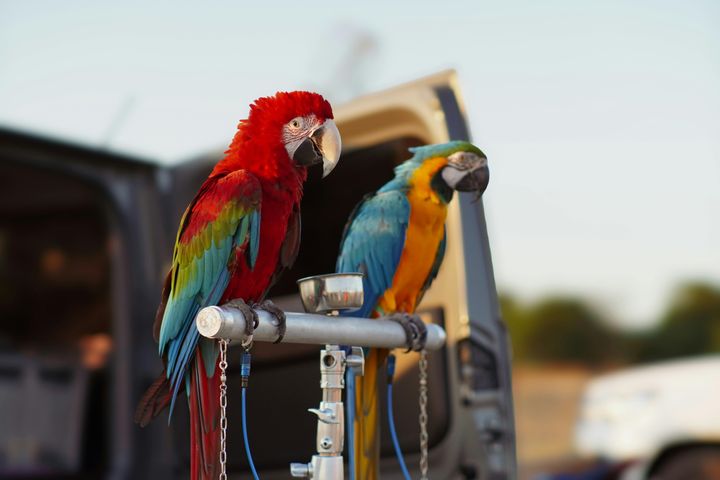
Parrots are particularly known for their intelligence and social interaction needs. As a result, educational resources often emphasize the importance of responsible ownership and long-term care planning.
Understanding bird wellness principles can help individuals develop greater awareness of avian care practices and animal welfare considerations.
Why Bird Wellness Matters
Bird care extends beyond providing food and shelter. Educational discussions often focus on creating environments that support physical activity, mental stimulation, and general wellbeing.
Bird wellness awareness may help support:
- Responsible pet ownership
- Animal welfare education
- Habitat management
- Behavioral enrichment
- Nutrition awareness
- Hygiene practices
- Long-term care planning
- Human-animal interaction understanding
These topics are commonly discussed within avian care education.
Bird Care Overview
| Care Area | Purpose |
|---|---|
| Habitat Setup | Supports comfortable living conditions |
| Nutrition Awareness | Encourages balanced feeding practices |
| Enrichment Activities | Supports mental stimulation |
| Hygiene Practices | Promotes cleanliness |
| Wellness Monitoring | Encourages observation of bird behavior |
These areas contribute to overall bird care awareness.
Basic Habitat Considerations
Creating a suitable environment is an important aspect of bird care.
Common habitat considerations include:
- Adequate living space
- Proper ventilation
- Safe perch placement
- Clean food and water areas
- Appropriate lighting conditions
- Environmental enrichment opportunities
- Regular cleaning routines
The specific needs of a bird may vary by species and individual characteristics.
Habitat Elements
| Element | General Purpose |
|---|---|
| Perches | Resting and activity |
| Food Areas | Daily feeding |
| Water Sources | Hydration |
| Enrichment Items | Mental stimulation |
| Shelter Areas | Comfort and security |
These elements are commonly discussed in avian care resources.
Nutrition and Feeding Awareness
Nutrition is an important topic in bird wellness education.
Educational resources frequently discuss:
- Dietary variety
- Species-specific nutritional considerations
- Fresh water availability
- Balanced feeding practices
- Appropriate food storage
- Feeding routine consistency
Nutritional requirements vary among bird species and individual animals.
Behavioral Enrichment and Social Interaction
Many bird species, particularly parrots, are recognized for their intelligence and social behaviors.
Common enrichment concepts include:
- Interactive activities
- Environmental exploration
- Training exercises
- Social engagement
- Problem-solving opportunities
- Routine changes that encourage curiosity
Enrichment discussions are often included in animal welfare and companion bird education.
Recent Trends in Bird Care Education
Several developments influenced bird wellness discussions during 2025 and 2026.
Animal Welfare Awareness
Educational organizations continue promoting responsible pet ownership and animal welfare practices.
Digital Learning Resources
Online educational content has expanded access to bird care information.
Environmental Enrichment Research
Researchers continue studying behavioral enrichment and animal wellbeing.
Companion Animal Education
Greater emphasis is being placed on understanding the long-term needs of companion animals.
Sustainable Pet Care Discussions
Some educational initiatives focus on environmentally responsible pet care practices.
Bird Care Trends Overview
| Trend | Focus Area |
|---|---|
| Animal Welfare | Responsible ownership |
| Digital Education | Learning accessibility |
| Behavioral Research | Wellness understanding |
| Companion Animal Awareness | Long-term care education |
| Sustainability Discussions | Responsible practices |
These trends continue influencing avian care education.
Recent Updates in Bird Wellness Awareness
Over the past year, animal welfare organizations, educational institutions, and veterinary communities have continued emphasizing responsible pet care and animal wellbeing.
Notable developments include:
- Increased access to online bird care education.
- Continued research into avian behavior and enrichment.
- Greater public awareness regarding responsible ownership practices.
- Expansion of educational resources focused on companion animal welfare.
- Growing interest in habitat enrichment concepts.
These developments reflect broader interest in animal care and welfare education.
Laws, Regulations, and Animal Welfare Considerations
Bird ownership and care may be influenced by regulations and welfare guidelines depending on location.
Animal Welfare Regulations
Many regions maintain laws intended to support humane treatment of animals.
Wildlife Protection Rules
Certain bird species may be protected under wildlife conservation regulations.
Import and Transport Requirements
Movement of birds may be subject to applicable legal requirements.
Veterinary Health Requirements
Some jurisdictions maintain health-related regulations for companion animals.
Conservation Initiatives
Organizations often support educational programs related to bird conservation and habitat protection.
Regulations vary significantly by country, region, and species.
Helpful Tools and Learning Resources
Several educational resources can help individuals learn more about bird wellness.
Educational Resources
- Avian care publications
- Animal welfare guides
- Bird behavior learning materials
- Companion animal education resources
Learning Resources
- Veterinary educational content
- Wildlife conservation materials
- Animal care workshops
- Educational webinars
Research Resources
- Veterinary journals
- Animal welfare publications
- Academic studies
- Conservation reports
Digital Resources
- Bird identification resources
- Educational learning platforms
- Animal welfare information portals
- Companion animal awareness websites
These resources support ongoing learning and responsible care awareness.
Frequently Asked Questions
What makes parrots unique among companion birds?
Parrots are often recognized for their intelligence, social behavior, vocal abilities, and problem-solving skills.
Why is habitat enrichment important?
Enrichment activities may help encourage natural behaviors and mental engagement.
Do all bird species have the same care requirements?
No. Care needs vary depending on species, size, age, and individual characteristics.
Why is bird wellness education important?
It helps individuals better understand responsible ownership and animal welfare principles.
How can people learn more about bird care?
Educational publications, veterinary resources, conservation organizations, and animal welfare materials can provide valuable information.
Conclusion
Bird and parrot care involve understanding habitat requirements, nutrition awareness, behavioral enrichment, hygiene practices, and animal welfare principles. Educational resources can help individuals develop greater awareness of responsible care practices and companion animal wellbeing.
As research and public awareness continue expanding, bird wellness education remains an important part of promoting responsible ownership and informed animal care. Learning about avian behavior, environmental needs, and welfare considerations contributes to a better understanding of companion birds and their long-term wellbeing.
Disclaimer
This article is published solely for educational and informational purposes. Its objective is to explain bird care concepts, parrot wellness information, habitat considerations, and animal welfare topics.
We do not sell, promote, advertise, endorse, recommend, market, distribute, or provide any bird, parrot, pet accessory, cage, toy, feed product, veterinary treatment, animal care product, or commercial offering mentioned in this content.
The information presented should not be interpreted as veterinary advice, diagnosis, treatment recommendations, animal health guidance, or professional consultation. Readers should consult qualified veterinarians, avian specialists, or animal welfare professionals regarding specific health concerns, care requirements, or animal-related decisions.
All references to bird care practices, habitat concepts, and educational information are provided solely for informational and educational context.