Top Advanced Trading Monitors in Vietnam: Complete Guide
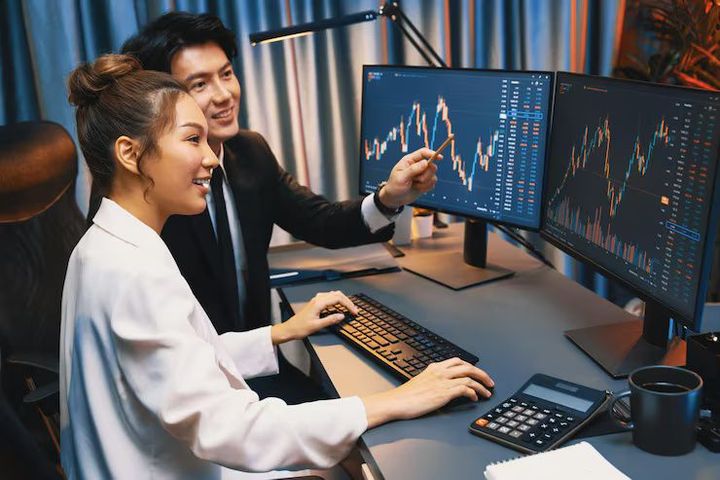
Trading has become increasingly dependent on technology, with display quality playing an important role in how financial information is monitored and analyzed. Modern trading workstations often use advanced monitors to display multiple charts, market indicators, news feeds, and analytical tools simultaneously. Choosing the right monitor setup can improve visibility, organization, and overall workflow during market analysis.
Over the past few years, display technology has evolved rapidly. Higher resolutions, improved color accuracy, wider viewing angles, and ergonomic designs have become common features in professional-grade monitors. These improvements allow users to work comfortably for extended periods while viewing detailed financial data across multiple windows.
In Vietnam, the growing interest in financial markets, digital technology, and professional trading environments has increased awareness of specialized monitor features. Individuals involved in stock trading, foreign exchange analysis, cryptocurrency research, and commodity market monitoring are increasingly exploring display technologies that support efficient multitasking and clear visualization.
Whether someone is building a first trading workstation or upgrading an existing setup, understanding monitor specifications, display technologies, connectivity options, and ergonomic considerations is essential. The following sections explain the key factors that influence monitor selection and highlight the latest developments in trading display technology.
Who It Affects and What Problems It Solves
Advanced trading monitors benefit a wide range of users who regularly analyze financial information on digital platforms. Active traders, long-term investors, financial analysts, market researchers, portfolio managers, and business professionals often rely on multiple applications simultaneously. Large displays and high-resolution screens make it easier to organize charts, technical indicators, spreadsheets, news sources, and communication tools without constantly switching between windows.
Professional organizations involved in investment research, financial consulting, banking, and asset management also benefit from efficient display systems. Clear visual presentation helps improve workflow, supports collaborative analysis, and reduces unnecessary interruptions caused by limited screen space.
Many users initially assume that any standard monitor is sufficient for trading. However, limited screen size, low resolution, inaccurate colors, narrow viewing angles, and poor ergonomic design may reduce productivity during extended work sessions. Eye strain, cluttered workspaces, and inefficient multitasking are common challenges associated with basic display setups.
Another frequent mistake is focusing only on screen size while overlooking other important specifications such as panel technology, resolution, refresh rate, brightness, connectivity, and adjustable stands. Selecting a monitor based on overall functionality rather than a single specification helps create a more efficient and comfortable trading environment.
Understanding these considerations allows users to develop workstation setups that support productivity, improve information visibility, and adapt to changing technological requirements.
Recent Updates and Industry Trends
Over the past year, monitor technology has continued advancing through improvements in display quality, connectivity, and energy efficiency. Many manufacturers have introduced higher-resolution displays with improved color accuracy, enhanced contrast ratios, and wider viewing angles that benefit financial professionals working with detailed charts and data-intensive applications.
Recent industry research suggests that ultrawide monitors and dual-monitor configurations continue gaining popularity among users who require simultaneous access to multiple applications. Flexible display arrangements allow market participants to monitor trading platforms, analytical software, economic calendars, communication tools, and news sources within a single workstation.
Many organizations are also adopting monitors equipped with USB-C connectivity, integrated docking capabilities, and cable management systems that simplify workstation organization. These features improve compatibility with modern computers while reducing workspace clutter.
Artificial intelligence is beginning to influence display technology through adaptive brightness adjustment, intelligent power management, and software-assisted productivity features. Eye-care technologies, including low blue light modes, flicker reduction, and automatic brightness control, are becoming standard across many professional displays designed for extended daily use.
Sustainability has also become a growing priority. Manufacturers increasingly incorporate energy-efficient components, recyclable materials, environmentally responsible packaging, and longer product life cycles. These developments support organizations seeking environmentally conscious technology solutions while maintaining high-performance display standards.
The next section compares important monitor features to help readers evaluate different trading display configurations more effectively.
Comparison of advanced trading monitor features
Selecting the right trading monitor involves evaluating multiple specifications rather than focusing on a single feature. Screen resolution, panel technology, connectivity, ergonomics, and energy efficiency all contribute to an effective trading workstation. The comparison below highlights important factors to consider when assessing advanced trading monitors.
| Feature | Standard Monitor | Advanced Trading Monitor |
|---|---|---|
| Display Resolution | Full HD | QHD, Ultra HD, or 4K |
| Screen Size | 22–24 inches | 27–49 inches |
| Panel Technology | TN or basic IPS | Premium IPS, VA, or OLED |
| Viewing Angles | Moderate | Wide viewing angles |
| Color Accuracy | Standard | High color precision |
| Refresh Rate | 60 Hz | 100–165 Hz depending on model |
| Response Time | Standard | Faster response for smoother visuals |
| Connectivity | HDMI | HDMI, DisplayPort, USB-C, USB Hub |
| Ergonomic Stand | Limited adjustment | Height, tilt, swivel, and pivot adjustments |
| Multi-Monitor Support | Basic | Optimized for multi-display setups |
| Energy Efficiency | Standard | Improved power management |
| Productivity Features | Basic | Picture-by-Picture, Picture-in-Picture, KVM Switch, cable management |
The comparison demonstrates that advanced trading monitors are designed to support intensive multitasking and long working sessions. Higher resolutions provide additional workspace, while improved panel technologies enhance image clarity and viewing comfort.
Modern connectivity options and ergonomic adjustments also contribute to a more organized workstation. Users should evaluate the complete feature set based on their workflow rather than selecting a monitor based solely on screen size.
Regulations and practical guidance
When selecting a trading monitor, users should consider internationally recognized display quality standards, electrical safety certifications, and environmental guidelines. Choosing products that comply with established manufacturing standards helps improve reliability, energy efficiency, and long-term performance.
Ergonomic setup is equally important. The monitor should be positioned at eye level with an appropriate viewing distance to reduce neck and eye strain. Adjustable monitor stands or monitor arms allow users to customize screen height and angle according to individual preferences, improving comfort during extended work sessions.
Workspace organization also contributes to productivity. Proper cable management, sufficient desk space, and adequate lighting reduce distractions while creating a cleaner working environment. Anti-glare screens and appropriate ambient lighting further improve screen visibility throughout the day.
Users should regularly update monitor firmware when available, inspect cables and connectors, clean display surfaces using manufacturer-recommended methods, and ensure adequate ventilation around electronic equipment. Routine maintenance helps preserve display quality and operational reliability.
Environmental responsibility is becoming increasingly important in display manufacturing. Many modern monitors incorporate energy-saving modes, recyclable packaging, reduced power consumption, and environmentally responsible materials. Selecting energy-efficient equipment supports sustainable technology practices while reducing long-term electricity usage.
Which option suits different situations?
Beginners
Individuals starting their trading journey may benefit from a single high-resolution monitor with an adjustable stand and IPS panel. This configuration provides sufficient workspace while keeping the setup simple and easy to manage.
Experienced traders
Professionals who monitor multiple markets simultaneously often prefer dual-monitor or ultrawide display configurations. Larger workspaces allow charts, market news, technical indicators, and trading platforms to remain visible without constant window switching.
Small offices
Smaller financial teams may prioritize compact monitor setups that balance productivity, energy efficiency, and ergonomic comfort. Standardized equipment also simplifies maintenance and workstation management.
Large financial organizations
Organizations managing multiple analysts generally benefit from standardized monitor configurations with centralized maintenance, advanced connectivity, consistent display quality, and efficient workspace planning. Standardization improves collaboration while reducing technical support complexity.
Growing businesses
Businesses expanding their financial operations should select monitors that support future upgrades, flexible connectivity, and compatibility with evolving computer hardware. Scalable workstation designs make future expansion more efficient while minimizing equipment replacement.
Tools and resources
Selecting the right tools and resources can improve the overall trading workstation experience by supporting better organization, analysis, and display management. While the ideal combination depends on individual requirements, the following tools are commonly used alongside advanced trading monitors.
TradingView — Provides interactive financial charts, technical analysis tools, and customizable watchlists for monitoring multiple markets.
MetaTrader 5 — Supports market analysis through advanced charting features, indicators, and multi-asset monitoring capabilities.
Google Sheets — Useful for tracking market observations, maintaining trading journals, and organizing financial data.
Microsoft Excel — Assists with portfolio analysis, performance tracking, budgeting, and creating customized financial reports.
DisplayFusion — Helps manage multiple monitors through customizable layouts, taskbars, wallpapers, and window organization features.
Monitor Calibration Software — Improves display accuracy by adjusting brightness, contrast, gamma, and color settings for consistent visual performance.
Cable Management Systems — Keep workstations organized by reducing cable clutter and improving accessibility for multiple connected devices.
Frequently asked questions
What makes a monitor suitable for trading?
A trading monitor is designed to provide clear visuals, sufficient screen space, and reliable performance for displaying multiple charts and applications simultaneously. Features such as high resolution, IPS panels, ergonomic adjustments, and modern connectivity options contribute to a more comfortable and efficient trading environment.
Is an ultrawide monitor better than using two monitors?
Both options have advantages depending on individual preferences. Ultrawide monitors provide a seamless viewing experience without screen bezels, while dual-monitor setups allow greater flexibility by separating applications across independent displays. The most suitable configuration depends on workflow, available desk space, and multitasking requirements.
Which monitor size is commonly used for trading?
Many professionals prefer monitors ranging from 27 to 34 inches because they provide an effective balance between screen space and desk efficiency. Larger ultrawide displays and multi-monitor configurations are also common among users who regularly monitor multiple financial markets or analytical platforms.
How important are ergonomic features?
Ergonomic features play an important role during extended work sessions. Adjustable height, tilt, swivel, and pivot functions help users position displays comfortably, reducing strain on the neck, shoulders, and eyes. Proper monitor placement also supports better posture and long-term workplace comfort.
What trends are shaping the future of trading monitors?
Future developments are expected to include higher display resolutions, OLED technology, artificial intelligence-assisted display optimization, improved energy efficiency, advanced connectivity standards, and enhanced eye-care technologies. Manufacturers are also focusing on sustainable production methods and longer-lasting display components to meet evolving professional requirements.
Conclusion
Advanced trading monitors have become valuable tools for individuals and organizations that rely on accurate financial analysis and efficient digital workflows. Improvements in display technology, including higher resolutions, enhanced color accuracy, ergonomic designs, and versatile connectivity options, have made modern monitors well suited for handling multiple charts, analytical tools, and financial platforms simultaneously. Selecting the right monitor involves evaluating the complete feature set rather than focusing on a single specification.
Whether establishing a new workstation or upgrading an existing setup, users should consider factors such as panel technology, screen size, resolution, workspace organization, energy efficiency, and long-term compatibility. A carefully planned display environment can improve productivity, reduce visual fatigue, and support more effective information management during daily market analysis.
Looking ahead, advancements in artificial intelligence, OLED displays, adaptive productivity features, sustainable manufacturing, and next-generation connectivity are expected to further enhance professional trading workstations. Keeping pace with these developments will help users make informed technology decisions while maintaining efficient and comfortable working environments.