Jump to a Chapter

Sony WH-1000XM6 Explained: Features, Sound Quality, Noise Cancellation, and User Experience Insights

Sony WH-1000XM6 Explained: Features, Sound Quality, Noise Cancellation, and User Experience Insights

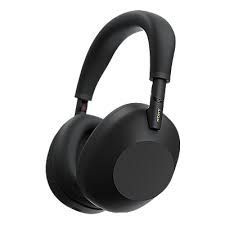
The Sony WH-1000XM6 is part of Sony's premium over-ear headphone lineup. Designed for music listening, communication, entertainment, travel, and productivity applications, the headphones incorporate modern audio technologies, wireless connectivity features, and active noise cancellation systems.

As personal audio technology continues evolving, manufacturers are focusing on sound quality, comfort, battery efficiency, intelligent processing, and immersive listening experiences. Premium wireless headphones have become an important category within the consumer electronics market.

This article explores the Sony WH-1000XM6 from an educational perspective without recommending, reviewing, ranking, or promoting any purchasing decision.

Evolution of Wireless Audio Technology

Wireless headphones have undergone significant technological development over the past decade.

Areas of advancement include:

  • Bluetooth connectivity
  • Audio processing
  • Battery efficiency
  • Noise cancellation technologies
  • Voice communication systems
  • Smart device integration

These innovations have transformed how users experience personal audio.

Design and Build Concepts

Modern over-ear headphones are designed to balance portability, comfort, and acoustic performance.

Common design considerations include:

  • Adjustable headbands
  • Ear cushion construction
  • Foldable designs
  • Weight distribution
  • Long-term wearing comfort

Design choices may influence user experience during extended listening sessions.

Understanding Sound Quality

Sound quality is one of the most discussed aspects of premium headphones.

Common audio characteristics include:

  • Frequency response
  • Audio clarity
  • Bass reproduction
  • Midrange performance
  • Treble detail
  • Soundstage perception

Individual listening preferences can vary significantly among users.

Audio Drivers and Sound Reproduction

Headphones use audio drivers to convert electrical signals into sound.

Driver-related concepts often include:

  • Sound generation
  • Frequency handling
  • Audio precision
  • Dynamic response
  • Acoustic tuning

Different manufacturers may utilize various driver technologies depending on product goals.

What Is Active Noise Cancellation?

Active Noise Cancellation (ANC) is a technology designed to reduce certain external sounds.

The process generally involves:

  • Environmental sound detection
  • Signal processing
  • Counter-signal generation
  • Noise reduction management

ANC technologies continue evolving through improvements in sensors and processing systems.

Noise Cancellation Applications

Noise cancellation systems are commonly used in environments such as:

  • Air travel
  • Public transportation
  • Office settings
  • Shared workspaces
  • Urban environments

Actual noise reduction performance varies depending on environmental conditions and sound frequencies.

Adaptive Listening Technologies

Modern headphones increasingly incorporate intelligent audio features.

Examples include:

  • Environmental awareness systems
  • Adaptive sound control
  • Usage pattern recognition
  • Listening mode adjustments
  • Smart audio optimization

These technologies aim to enhance user convenience and listening experiences.

Wireless Connectivity Features

Bluetooth technology serves as a foundation for modern wireless audio devices.

Common connectivity-related features include:

  • Wireless audio streaming
  • Device pairing
  • Multi-device support
  • Audio synchronization
  • Mobile integration

Connectivity experiences may vary depending on devices, software, and operating conditions.

Voice Communication and Microphone Systems

Many premium headphones include integrated communication technologies.

Examples include:

  • Voice call support
  • Microphone arrays
  • Speech enhancement systems
  • Communication optimization features

These technologies are increasingly important as remote work and digital communication continue expanding.

Battery Technology and Power Management

Battery performance remains an important consideration for wireless headphones.

Common battery-related topics include:

  • Rechargeable battery systems
  • Power efficiency
  • Charging technologies
  • Usage duration
  • Energy management systems

Actual battery life varies according to volume levels, feature usage, and environmental conditions.

User Comfort and Ergonomics

Comfort plays a significant role in headphone usability.

Factors often discussed include:

  • Ear cushion materials
  • Headband design
  • Weight balance
  • Fit characteristics
  • Long-term wearability

Comfort experiences may differ depending on individual preferences and usage habits.

Artificial Intelligence in Audio Devices

AI technologies are becoming increasingly integrated into consumer electronics.

Examples include:

  • Audio enhancement systems
  • Voice processing
  • Environmental analysis
  • Adaptive listening functions
  • User behavior recognition

AI continues influencing the evolution of personal audio products.

Entertainment and Productivity Applications

Wireless headphones are used across a wide variety of scenarios.

Examples include:

  • Music listening
  • Video streaming
  • Virtual meetings
  • Gaming
  • Educational content
  • Productivity workflows

Usage patterns vary depending on individual needs and preferences.

Sustainability and Consumer Electronics

Environmental considerations are becoming more important within the electronics industry.

Areas of focus include:

  • Material efficiency
  • Packaging improvements
  • Manufacturing sustainability
  • Product lifecycle management
  • Resource conservation initiatives

Approaches vary across manufacturers and product categories.

About Sony

Sony Corporation is a global technology and entertainment company involved in consumer electronics, audio equipment, imaging products, gaming systems, and digital services.

The company is mentioned solely for informational purposes as the manufacturer associated with the product discussed in this article. Its inclusion does not constitute an endorsement, recommendation, ranking, review, comparison, or purchasing suggestion.

Consumer Audio Industry Trends in 2026

Several developments continue shaping the personal audio market.

Current trends include:

  • Advanced noise cancellation systems
  • AI-assisted audio processing
  • Enhanced wireless connectivity
  • Improved battery efficiency
  • Smart listening technologies
  • Voice communication optimization
  • Sustainable manufacturing initiatives
  • Personalized audio experiences

These trends reflect broader developments across consumer electronics and digital audio industries.

Frequently Asked Questions

What is the Sony WH-1000XM6?

The Sony WH-1000XM6 is a wireless over-ear headphone model that incorporates audio processing, wireless connectivity, and noise cancellation technologies.

What is Active Noise Cancellation?

Active Noise Cancellation is a technology that helps reduce certain environmental sounds through electronic signal processing.

Why is sound quality important?

Sound quality influences how listeners experience music, communication, entertainment, and other audio content.

How does wireless connectivity work?

Wireless headphones commonly use Bluetooth technology to transmit audio between devices without physical cables.

What factors affect battery life?

Battery performance may be influenced by volume levels, feature usage, connectivity settings, and listening duration.

Conclusion

The Sony WH-1000XM6 reflects ongoing developments in wireless audio technology, combining sound reproduction systems, active noise cancellation, connectivity features, intelligent processing, and ergonomic design. As consumer audio devices continue evolving through advancements in artificial intelligence, wireless communication, and digital signal processing, premium headphones remain an important part of modern entertainment, productivity, and communication experiences.

Understanding these technologies provides valuable insight into the broader evolution of personal audio and consumer electronics.

Disclaimer

This article is intended solely for informational and educational purposes. It does not provide technical, engineering, commercial, financial, investment, purchasing, or professional advice. It does not endorse, recommend, compare, rank, review, market, or encourage the purchase of any headphone, audio product, software platform, accessory, or technology service. Product and company names are included only for informational reference. Readers should consult official manufacturer resources and qualified professionals regarding product specifications, compatibility requirements, technical support, and purchasing decisions.


author-image

Ravi Shankar Maurya

We create purposeful content that speaks, resonates, and drives action.

June 13, 2026 . 7 min read