Smart Glass Technology Overview: Learn Installation Basics, Privacy Benefits, Design Ideas, and Usage Tips
Smart glass technology refers to advanced glazing materials that can change their transparency or light transmission when exposed to electrical signals, light, or heat. This innovation allows glass surfaces to switch between clear and opaque states, offering flexible control over visibility and light. Common forms include electrochromic glass and privacy smart glass, which rely on embedded layers or films to adjust their properties.
What Smart Glass Technology Is and Why It Exists
The concept exists to address limitations of traditional glass, which provides fixed transparency and limited control over privacy or solar heat. As buildings and interiors become more energy-conscious and adaptable, smart glass serves as a dynamic solution for managing light, glare, and visibility without the need for curtains or blinds.
Modern applications include smart glass installation in offices, homes, healthcare facilities, and hospitality environments. The technology continues to evolve with innovations like pdlc smart glass installation (Polymer Dispersed Liquid Crystal), enabling instant switching for privacy and design flexibility.
Importance – Why Smart Glass Matters Today
Smart glass technology has gained relevance due to increasing focus on energy efficiency, sustainability, and adaptable spaces. It directly impacts architects, designers, facility managers, and homeowners seeking better control over indoor environments.
Key reasons why it matters include:
- Rising demand for commercial smart glass solutions in modern workplaces
- Growing need for privacy without permanent barriers
- Increased attention to energy conservation and daylight optimization
- Shift toward smart buildings and automated environments
Smart glass helps solve several challenges:
- Reduces glare and excessive sunlight
- Enhances privacy in shared or open spaces
- Improves indoor comfort without mechanical shading systems
- Supports modern architectural aesthetics
In offices, smart glass for office partitions allows flexible meeting spaces without sacrificing openness. In residential settings, it contributes to luxury smart glass interiors by combining functionality with minimalist design.
Types – Different Forms of Smart Glass
Smart glass comes in multiple types, each using a distinct technology to control light and visibility.
-
Electrochromic Glass
Changes tint gradually when voltage is applied. Common in windows and skylights for controlling sunlight. -
PDLC (Polymer Dispersed Liquid Crystal) Glass
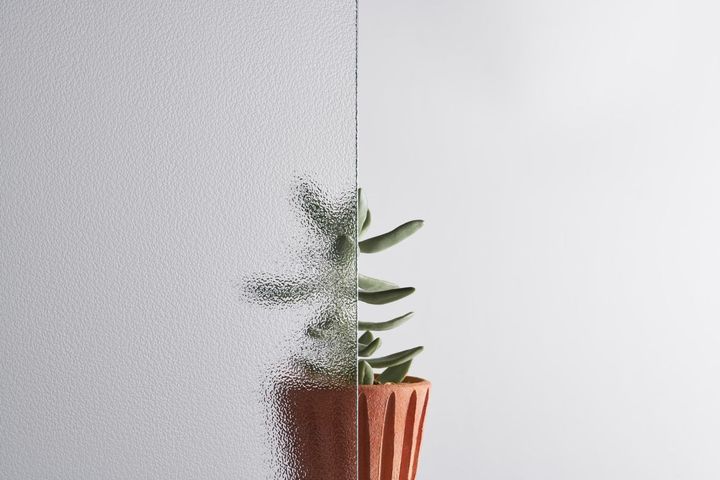
Instantly switches from opaque to transparent. Widely used in privacy smart glass applications. -
SPD (Suspended Particle Device) Glass
Uses particles that align under voltage to control light transmission, offering adjustable shading. -
Thermochromic Glass
Responds to temperature changes, becoming darker in heat without electrical input. -
Photochromic Glass
Reacts to sunlight intensity, similar to transition lenses, adjusting automatically.
Each type serves different use cases depending on the level of control, speed of transition, and installation requirements.
Benefits and Applications
Smart glass technology offers a wide range of functional and aesthetic benefits across industries.
Key Benefits
- Privacy Control: Instant switching for confidential spaces
- Energy Efficiency: Reduces reliance on air conditioning and artificial lighting
- Modern Aesthetics: Clean, minimal design without curtains
- UV Protection: Helps limit harmful ultraviolet exposure
- Space Optimization: Eliminates need for physical partitions
Common Applications
- Office environments using smart glass for office partitions
- Residential interiors featuring luxury smart glass interiors
- Healthcare settings for patient privacy
- Hospitality spaces such as hotels and conference rooms
- Retail displays and showrooms
Below is a simple comparison of applications and benefits:
| Application Area | Primary Benefit | Example Use Case |
|---|---|---|
| Offices | Flexible privacy | Meeting room partitions |
| Homes | Comfort and design | Smart windows and bathroom glass |
| Healthcare | Hygiene and privacy | ICU partitions |
| Retail | Visual display control | Storefront glass panels |
| Hospitality | Guest experience enhancement | Hotel room dividers |
Top 5 Leading Provider Company Names
Several global companies contribute to the development and distribution of smart glass technologies:
- Saint-Gobain
- View, Inc.
- Gentex Corporation
- AGC Inc.
- Research Frontiers
These organizations focus on innovation in smart glass suppliers, offering solutions for architectural and automotive sectors. Their technologies support large-scale adoption in both commercial and residential environments.
Recent Updates – Trends and Developments
Over the past year, smart glass technology has seen notable advancements:
- 2025: Increased integration with smart home systems, enabling voice and app-based control
- 2025: Expansion of retrofit smart glass windows, allowing existing buildings to upgrade without full replacement
- Late 2024: Improvements in energy efficiency for electrochromic systems, reducing power consumption
- 2025: Growth in demand for smart tint installation service in urban commercial projects
A visible trend is the shift toward sustainability, with smart glass being incorporated into green building certifications and energy-efficient construction practices.
Laws or Policies – Regulatory Considerations
Smart glass technology is influenced by building codes, energy regulations, and environmental policies, particularly in countries like India.
Relevant considerations include:
- Energy Efficiency Standards: Buildings may need to comply with energy conservation codes that encourage advanced glazing solutions
- Green Building Certifications: Programs such as LEED (Leadership in Energy and Environmental Design) support the use of smart materials
- Electrical Safety Regulations: Installation must meet wiring and safety standards for powered glass systems
- Urban Development Guidelines: Smart materials are often promoted in smart city initiatives
These regulations aim to ensure safety, efficiency, and environmental responsibility when implementing technologies like smart glass installation.
Tools and Resources
Several tools and resources can help individuals and professionals understand and implement smart glass solutions:
- Energy Simulation Software: Tools like building energy modeling platforms to evaluate performance
- Design Software: CAD and BIM tools for planning commercial smart glass solutions
- Manufacturer Documentation: Technical guides from smart glass suppliers
- Online Calculators: Tools for estimating light transmission and energy savings
- Industry Websites: Resources from architectural and construction organizations
These tools support informed decision-making and proper integration into building designs.
FAQs
What is smart glass used for?
Smart glass is used to control light and privacy in spaces such as offices, homes, hospitals, and commercial buildings.
How does electrochromic glass work?
Electrochromic glass changes its tint when an electrical voltage is applied, allowing gradual adjustment of light and heat.
Can smart glass be added to existing windows?
Yes, retrofit smart glass windows or films can be applied to existing glass surfaces, depending on compatibility.
Is smart glass energy efficient?
Smart glass can help reduce energy usage by controlling heat gain and minimizing reliance on artificial lighting.
What is PDLC smart glass installation?
It involves installing glass or फिल्म layers containing liquid crystals that switch between transparent and opaque states when powered.
Conclusion
Smart glass technology represents a significant advancement in modern building design, offering adaptable solutions for privacy, light control, and energy efficiency. From electrochromic glass to privacy smart glass, the range of options allows users to tailor environments according to their needs.
As trends continue to evolve, innovations such as smart tint installation service and retrofit smart glass windows are making the technology more accessible. While regulations and standards guide its implementation, the overall direction points toward smarter, more responsive spaces.
Disclaimer: Any references to performance or efficiency are general informational estimates and may vary depending on product type, installation conditions, and environmental factors.