Table of Contents

Premium Traveller Buses: Seating, Technology, and Luxury Transportation Guide

Premium Traveller Buses: Seating, Technology, and Luxury Transportation Guide

Premium traveller buses have become an important part of modern passenger transportation, offering enhanced comfort, advanced technology, and efficient mobility for business trips, tourism, airport transfers, educational tours, corporate travel, and private group transportation. Compared to conventional buses, premium traveller coaches emphasize passenger experience through spacious interiors, ergonomic seating, entertainment systems, and modern safety technologies.

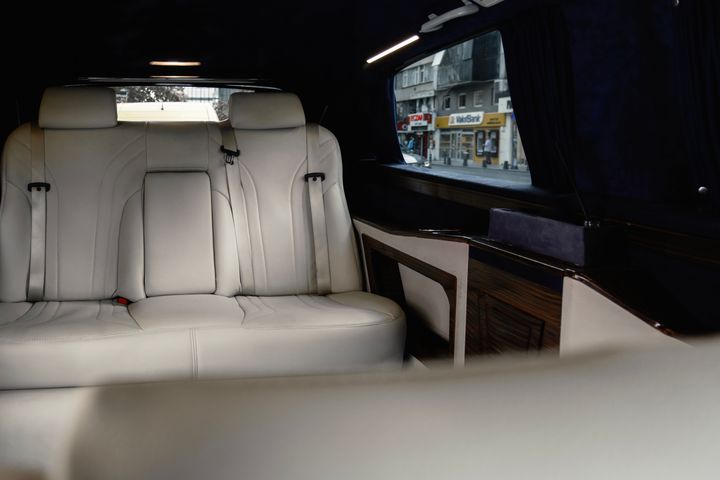
As transportation technology continues to evolve, luxury buses increasingly integrate smart connectivity, advanced driver assistance systems, digital fleet management, and sustainability-focused innovations. These developments are reshaping long-distance and group travel while improving passenger convenience and operational efficiency.

This guide explores premium traveller buses, seating arrangements, onboard technologies, comfort features, safety systems, and transportation industry trends from an educational perspective. It does not provide purchasing, transportation, legal, regulatory, financial, or professional advice.

Understanding Premium Traveller Buses

Premium traveller buses are passenger vehicles designed to provide enhanced comfort and amenities for medium- and long-distance journeys.

They are commonly used for:

  • Corporate transportation
  • Tourism and sightseeing
  • Airport transfers
  • Educational excursions
  • Family travel
  • Hospitality transportation
  • Event transportation

Vehicle specifications vary depending on manufacturer, model, and intended application.

Evolution of Luxury Bus Transportation

Passenger transport has advanced significantly through improvements in engineering and technology.

Major developments include:

  • Ergonomic seating
  • Air suspension systems
  • Digital infotainment
  • Connected vehicle technologies
  • Advanced safety systems
  • Energy-efficient powertrains

These innovations continue improving passenger comfort and travel experiences.

Passenger Seating Configurations

Seating is one of the defining features of premium traveller buses.

Common layouts may include:

  • Individual reclining seats
  • Executive seating
  • Business-class configurations
  • Lounge-style seating
  • Multi-row arrangements

The seating capacity depends on vehicle size and interior design.

Ergonomic Seating Design

Modern premium buses often prioritize passenger comfort.

Seating features may include:

  • Adjustable backrests
  • Headrests
  • Armrests
  • Lumbar support
  • Footrests
  • Generous legroom

Ergonomic design aims to improve comfort during extended travel.

Interior Cabin Design

Luxury traveller buses frequently feature thoughtfully designed interiors.

Common design elements include:

  • Premium upholstery
  • Soft ambient lighting
  • Decorative interior panels
  • Spacious aisles
  • Modern color schemes

Interior aesthetics contribute to the overall travel experience.

Climate Control Systems

Passenger comfort is supported through advanced environmental controls.

Typical systems may include:

  • Multi-zone air conditioning
  • Ventilation systems
  • Air circulation technologies
  • Temperature management controls

Climate systems help maintain a comfortable cabin environment.

Infotainment and Connectivity

Technology plays an increasingly important role in premium transportation.

Common onboard features may include:

  • Multimedia displays
  • Audio systems
  • Wireless connectivity
  • USB charging ports
  • Device charging stations

Available features vary by vehicle model and operator.

Driver Assistance Technologies

Modern buses increasingly incorporate technologies that support safer driving.

Examples may include:

  • Parking assistance
  • Lane monitoring
  • Collision awareness systems
  • Driver information displays
  • Camera systems

Technology availability depends on vehicle specifications and regulations.

Suspension and Ride Comfort

Ride quality is an important aspect of passenger transportation.

Comfort-enhancing technologies may include:

  • Air suspension
  • Shock absorption systems
  • Vibration reduction technologies
  • Noise insulation

These systems contribute to smoother travel experiences.

Storage and Luggage Capacity

Traveller buses are designed to accommodate passenger luggage efficiently.

Storage solutions may include:

  • Underfloor luggage compartments
  • Overhead storage racks
  • Personal storage spaces
  • Equipment compartments

Capacity varies according to vehicle configuration.

Safety Features

Passenger safety remains a primary consideration in vehicle design.

Modern premium buses may include:

  • Anti-lock braking systems (ABS)
  • Electronic stability systems
  • Seat belts
  • Emergency exits
  • Fire safety equipment
  • Camera-based visibility systems

Safety features differ across manufacturers and vehicle classes.

Accessibility Considerations

Many transportation providers emphasize accessibility for diverse passenger needs.

Potential features may include:

  • Wide entry doors
  • Low-step access
  • Handrails
  • Designated mobility spaces
  • Clear interior pathways

Accessibility requirements vary according to local regulations and vehicle design.

Smart Fleet Management

Digital technologies continue transforming commercial transportation.

Fleet management systems may include:

  • GPS tracking
  • Route optimization
  • Vehicle diagnostics
  • Maintenance scheduling
  • Driver performance monitoring

These systems support operational efficiency and fleet management.

Sustainability in Passenger Transportation

Environmental considerations are increasingly influencing vehicle development.

Areas of focus may include:

  • Fuel-efficient engines
  • Alternative powertrains
  • Reduced emissions
  • Lightweight materials
  • Energy-efficient systems

Many manufacturers continue exploring more sustainable transportation technologies.

Applications of Premium Traveller Buses

Luxury traveller buses serve a wide range of transportation needs.

Common applications include:

Corporate Travel

Employee transportation, executive travel, and business events.

Tourism

Sightseeing tours, holiday travel, and guided excursions.

Educational Institutions

School trips, university transportation, and academic tours.

Hospitality

Airport transfers, hotel guest transportation, and event logistics.

Private Events

Family functions, weddings, conferences, and group celebrations.

The appropriate vehicle depends on passenger requirements and travel objectives.

Factors Influencing Vehicle Selection

Several factors may influence the choice of a premium traveller bus.

Examples include:

  • Passenger capacity
  • Journey distance
  • Comfort features
  • Technology integration
  • Safety systems
  • Storage requirements
  • Accessibility features

Selection criteria vary depending on operational needs.

Luxury Bus Industry Trends in 2026

Several developments continue shaping premium passenger transportation.

Current trends include:

  • Smart connected vehicles
  • AI-assisted fleet management
  • Advanced driver assistance technologies
  • Enhanced passenger connectivity
  • Sustainable transportation solutions
  • Digital cabin experiences
  • Improved ride comfort systems
  • Predictive vehicle maintenance

These trends reflect broader innovations occurring throughout the transportation industry.

Frequently Asked Questions

What is a premium traveller bus?

A premium traveller bus is a passenger vehicle designed to provide enhanced comfort, modern amenities, and advanced technology for group transportation.

What seating options are commonly available?

Configurations may include reclining seats, executive seating, lounge-style layouts, and business-class arrangements.

What technology features are common?

Many premium buses offer infotainment systems, wireless connectivity, charging ports, navigation systems, and digital driver information displays.

Are premium traveller buses suitable for corporate events?

They are commonly used for corporate transportation, business travel, conferences, airport transfers, and executive group mobility.

What safety technologies may be included?

Modern vehicles may feature ABS, electronic stability systems, driver assistance technologies, camera systems, and emergency safety equipment.

Conclusion

Premium traveller buses combine passenger comfort, advanced technology, safety innovations, and efficient transportation to support a wide variety of travel requirements. Through ergonomic seating, smart connectivity, climate control, and modern engineering, these vehicles continue enhancing the experience of group travel for businesses, tourism operators, educational institutions, and private organizations.

As transportation technologies continue evolving, premium traveller buses are expected to become increasingly connected, sustainable, comfortable, and intelligent, supporting the future of luxury passenger mobility.

Disclaimer

This article is intended solely for informational and educational purposes. It does not provide transportation, engineering, legal, regulatory, financial, purchasing, safety, or professional advice. It does not endorse, recommend, compare, rank, review, market, or promote any manufacturer, vehicle model, transportation company, technology provider, or service. Vehicle specifications, features, safety systems, capacities, availability, and regulatory requirements vary by manufacturer, market, and jurisdiction. Readers should consult qualified professionals and official manufacturer documentation before making purchasing or operational decisions.


author-image

Ravi Shankar Maurya

We create purposeful content that speaks, resonates, and drives action.

June 30, 2026 . 8 min read