Table of Contents

Premium Floating Event Spaces: Luxury Boat Features, Corporate Gatherings, and Event Insights

Premium Floating Event Spaces: Luxury Boat Features, Corporate Gatherings, and Event Insights

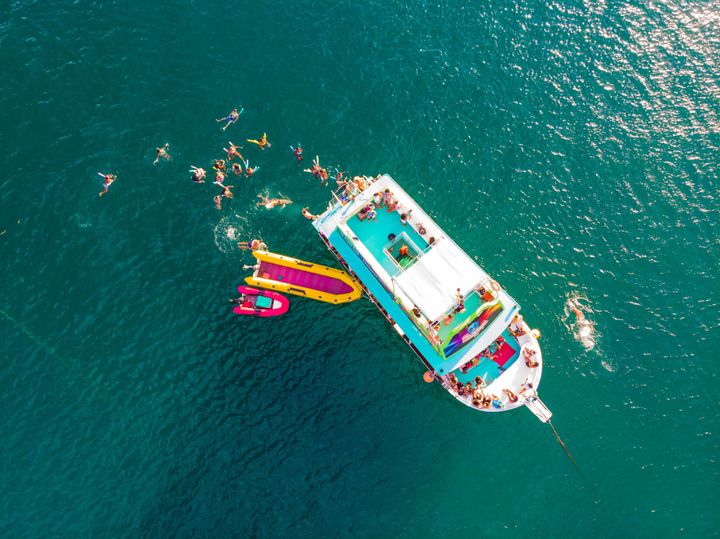
Premium floating event spaces have emerged as unique venues for corporate functions, private celebrations, networking events, product launches, and hospitality experiences. By combining the mobility of water-based environments with sophisticated amenities and event infrastructure, these venues offer distinctive settings that differ from traditional hotels, conference centers, and banquet halls.

Modern floating event spaces may range from luxury yachts and river cruisers to specially designed event vessels equipped with dining facilities, entertainment systems, meeting areas, and guest hospitality services. Their appeal often lies in scenic surroundings, exclusive atmospheres, and memorable guest experiences.

This guide explores floating event venue concepts, luxury boat features, event applications, planning considerations, and hospitality trends from an educational perspective. It does not provide event management, legal, financial, maritime, hospitality, or venue-booking advice.

Understanding Premium Floating Event Spaces

A floating event space is a vessel or water-based venue designed to host organized gatherings and guest experiences.

Common characteristics may include:

  • Event-focused layouts
  • Hospitality amenities
  • Scenic travel routes
  • Flexible gathering areas
  • Entertainment facilities
  • Premium guest services

Features vary depending on vessel size, design, and intended use.

The Growing Popularity of Water-Based Events

Floating venues continue attracting interest for both social and corporate functions.

Common reasons may include:

  • Unique environments
  • Waterfront views
  • Exclusive experiences
  • Flexible event formats
  • Distinctive atmospheres
  • Memorable guest engagement

Water-based venues often provide experiences that differ significantly from land-based locations.

Types of Floating Event Venues

Several categories of floating venues may support events.

Luxury Yachts

Luxury yachts are often associated with private gatherings and premium hospitality experiences.

Event Cruisers

Some vessels are specifically designed for hosting large-scale events and group activities.

Riverboats

River-based venues may provide scenic experiences along urban or natural waterways.

Charter Vessels

Chartered boats may be adapted for corporate functions, celebrations, and special occasions.

Venue characteristics vary according to operational requirements and event objectives.

Luxury Boat Design Features

Premium vessels often incorporate sophisticated design elements.

Common features may include:

  • Contemporary interiors
  • Open-air decks
  • Panoramic viewing areas
  • Lounge environments
  • Dining spaces
  • Entertainment zones

Design approaches frequently emphasize both comfort and aesthetics.

Hospitality and Guest Comfort

Guest experience is a key consideration in floating event environments.

Comfort-oriented features may include:

  • Climate-controlled interiors
  • Premium seating
  • Relaxation spaces
  • Hospitality services
  • Scenic observation areas

The specific amenities available depend on vessel configuration and event format.

Corporate Gathering Applications

Floating venues are increasingly used for professional and business-oriented events.

Examples may include:

Executive Meetings

Water-based venues may provide private settings for discussions and collaboration.

Networking Events

Unique environments can support professional interaction and relationship building.

Product Launches

Some organizations utilize floating venues to create distinctive presentation experiences.

Team-Building Activities

Event vessels may accommodate organized group activities and employee engagement initiatives.

Private Celebrations and Social Events

Floating event spaces are commonly utilized for social occasions.

Examples include:

  • Weddings
  • Anniversaries
  • Family gatherings
  • Milestone celebrations
  • Cultural events
  • Exclusive parties

Many hosts value the combination of privacy and scenic surroundings.

Dining and Culinary Experiences

Food and beverage services are often central components of floating events.

Potential features may include:

  • Formal dining areas
  • Outdoor dining spaces
  • Catering facilities
  • Hospitality lounges
  • Reception environments

Dining experiences may contribute significantly to overall event impressions.

Entertainment Infrastructure

Modern event vessels frequently incorporate entertainment technologies.

Examples may include:

  • Audio systems
  • Performance stages
  • Presentation equipment
  • Lighting systems
  • Multimedia displays

Infrastructure capabilities vary by vessel and event requirements.

Scenic and Experiential Value

One of the defining characteristics of floating venues is the surrounding environment.

Potential advantages may include:

  • Waterfront views
  • Urban skylines
  • Coastal landscapes
  • Riverfront scenery
  • Sunset experiences

Scenic elements often enhance guest engagement and event atmosphere.

Event Layout Flexibility

Many floating venues are designed to accommodate diverse event formats.

Examples may include:

  • Cocktail receptions
  • Formal dinners
  • Business presentations
  • Networking sessions
  • Entertainment programs

Flexible layouts support changing event needs throughout a gathering.

Safety and Operational Considerations

Floating event venues typically operate within established maritime and safety frameworks.

Common considerations may include:

  • Passenger management
  • Safety procedures
  • Emergency preparedness
  • Vessel operations
  • Regulatory compliance

Requirements vary according to jurisdiction and vessel classification.

Accessibility and Guest Logistics

Event planning often involves evaluating guest access and transportation.

Factors may include:

  • Boarding arrangements
  • Parking access
  • Transportation connections
  • Mobility considerations
  • Arrival coordination

Convenient logistics can contribute to positive guest experiences.

Technology Integration

Technology continues influencing hospitality and event management environments.

Examples may include:

  • Wireless connectivity
  • Digital presentation systems
  • Event management platforms
  • Smart lighting controls
  • Communication systems

Technology supports both operational efficiency and guest engagement.

Sustainability in Maritime Hospitality

Environmental awareness is becoming increasingly relevant within hospitality industries.

Areas of focus may include:

  • Energy-efficient systems
  • Resource management
  • Waste reduction initiatives
  • Sustainable operational practices
  • Environmental stewardship programs

Approaches vary among vessel operators and event providers.

Floating Event Trends in 2026

Several developments continue shaping premium water-based event experiences.

Current trends include:

  • Experience-focused event design
  • Corporate hospitality innovation
  • Hybrid indoor-outdoor layouts
  • Personalized guest experiences
  • Sustainable venue initiatives
  • Technology-enhanced event management
  • Luxury networking environments
  • Wellness-inspired event concepts

These trends reflect broader changes occurring across hospitality and event industries.

Frequently Asked Questions

What is a floating event space?

A floating event space is a vessel or water-based venue designed to host gatherings, celebrations, meetings, and hospitality experiences.

What types of events can be hosted?

Common events include corporate meetings, networking functions, weddings, private celebrations, product launches, and social gatherings.

Why are floating venues popular?

Many people appreciate their unique atmosphere, scenic surroundings, exclusivity, and memorable guest experiences.

What amenities may be available?

Amenities may include dining areas, lounges, entertainment systems, observation decks, presentation spaces, and hospitality services.

Are floating venues suitable for business events?

Many floating venues are designed to support meetings, networking events, executive gatherings, and corporate hospitality activities.

Conclusion

Premium floating event spaces combine hospitality, design, scenery, and flexibility to create distinctive environments for both corporate and social gatherings. Through luxury boat features, event-focused amenities, and unique waterfront experiences, these venues offer alternatives to traditional event locations while emphasizing exclusivity and guest engagement.

As hospitality and event planning continue evolving, floating venues are expected to incorporate greater levels of technology, sustainability, personalization, and experiential design while maintaining their appeal as memorable and sophisticated event destinations.

Disclaimer

This article is intended solely for informational and educational purposes. It does not provide legal, financial, maritime, hospitality, event planning, insurance, transportation, safety, or professional advice. It does not endorse, recommend, compare, rank, review, market, or promote any vessel, operator, venue, event provider, hospitality company, or service. Vessel features, availability, regulations, safety requirements, amenities, and operational policies vary by jurisdiction and operator. Readers should consult relevant professionals and venue providers before making event-related decisions.


author-image

Ravi Shankar Maurya

We create purposeful content that speaks, resonates, and drives action.

June 23, 2026 . 10 min read