PPC Advertising Guide: Explore Strategies, Suggestions, Knowledge, Facts, and ROI Improvement Tips
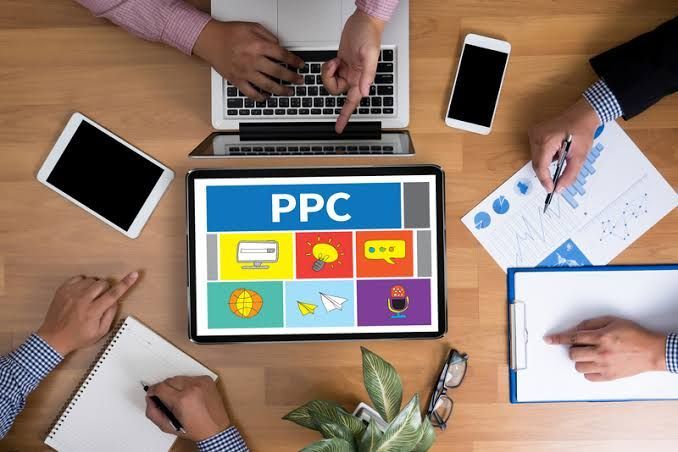
PPC advertising is a digital marketing model in which advertisers pay when users interact with an advertisement, commonly through a click. It is used across search engines, social networks, shopping platforms, video channels, and other digital environments. PPC can help organizations reach people based on search intent, interests, location, demographics, or previous interactions.
Common activities include PPC campaign management, Google Ads management, pay per click advertising, PPC keyword research, audience targeting, conversion measurement, and performance analysis. The objective is not simply to generate clicks but to understand whether advertising activity contributes to useful outcomes such as qualified leads, registrations, enquiries, or purchases.
Understanding PPC Advertising
PPC exists because digital advertising requires measurable ways to connect advertising exposure with user actions. Instead of relying only on broad audience reach, advertisers can use keywords, audiences, locations, devices, schedules, and other signals to make campaigns more relevant.
A typical PPC campaign includes:
- Campaign and advertising objectives
- Keyword or audience research
- Ad copy and creative assets
- Landing pages
- Bidding and budget controls
- Conversion tracking
- Performance reporting
- Ongoing optimization
Google Ads is one of the most widely recognized PPC platforms, while Microsoft Advertising, Meta Ads, Amazon Ads, and LinkedIn Ads provide additional advertising environments.
Why PPC Matters Today
PPC remains important because online users frequently research products, destinations, companies, financial information, software, and other topics through digital platforms before taking action.
For organizations, PPC can help address several practical challenges:
- Reaching users with relevant search intent
- Testing different advertising messages
- Measuring clicks and conversions
- Comparing keywords and audience groups
- Managing campaigns across multiple locations
- Evaluating advertising ROI
- Identifying high-performing landing pages
- Supporting PPC lead generation strategies
PPC is relevant to small organizations, large enterprises, ecommerce businesses, publishers, technology companies, educational institutions, travel companies, and professional marketers.
However, campaign performance is never guaranteed. Results can vary according to competition, targeting, landing-page relevance, conversion tracking, industry conditions, advertising policies, and campaign settings.
Main Types of PPC Advertising
PPC includes several formats, each designed for different user behaviors.
| PPC Type | Main Environment | Typical Objective |
|---|---|---|
| Search PPC | Search engines | Capture active search intent |
| Display Advertising | Websites and apps | Build awareness and reach audiences |
| Shopping Advertising | Ecommerce platforms | Promote product-related searches |
| Social PPC | Social networks | Reach defined audience groups |
| Video Advertising | Video platforms | Awareness and engagement |
| Remarketing | Multiple digital channels | Reconnect with previous visitors |
| Local PPC | Search and mapping environments | Reach users with local intent |
| B2B PPC | Search and professional platforms | Generate business enquiries |
Search PPC is especially useful when users are actively looking for information. Display and video advertising can support awareness, while remarketing can reconnect with people who have previously interacted with a website or digital property.
Benefits and Applications
PPC can provide measurable data that helps advertisers understand how different campaigns perform. Useful applications include:
- Lead generation: PPC campaigns can direct users toward enquiry forms, registrations, or other conversion actions.
- Keyword research: PPC data can help identify search terms associated with user interest.
- Market testing: Advertisers can compare different messages, audiences, and landing pages.
- Geographic targeting: Campaigns can be configured for selected countries, regions, cities, or other locations.
- ROI analysis: Marketing ROI software and advertising dashboards can combine campaign data with business outcomes.
- Brand visibility: Search, display, video, and social campaigns can increase exposure to relevant audiences.
- Conversion optimization: Advertisers can review conversion rates, search terms, landing pages, and bidding performance.
A basic performance calculation can be expressed as:
ROI = (Attributed Revenue − Advertising Spend) ÷ Advertising Spend × 100
This calculation should be interpreted carefully because attribution models, delayed conversions, repeat customers, and non-advertising factors can affect the result.
Illustrative Performance Table
| Metric | Example | What It Indicates |
| Impressions | 100,000 | Ad visibility |
| Clicks | 5,000 | User interaction |
| CTR | 5% | Click engagement |
| Conversions | 250 | Completed tracked actions |
| Conversion Rate | 5% | Percentage of clicks producing conversions |
| Advertising Spend | $10,000 | Illustrative campaign expenditure |
| Attributed Revenue | $25,000 | Illustrative tracked revenue |
| Illustrative ROI | 150% | Based only on the figures above |
Five Leading PPC Platform Providers
The following companies operate major advertising platforms used for PPC or closely related performance advertising:
- Google — Google Ads supports Search, Shopping, Display, YouTube, Performance Max, Demand Gen, and other campaign environments.
- Microsoft — Microsoft Advertising provides search and audience advertising across Microsoft's digital ecosystem and partner networks.
- Meta — Meta Ads supports advertising across Facebook, Instagram, and other Meta environments.
- Amazon — Amazon Ads provides advertising products connected with shopping and product discovery.
- LinkedIn — LinkedIn Ads focuses strongly on professional and B2B audiences.
These platforms differ in audience, targeting capabilities, campaign formats, measurement options, and policy requirements. Selecting a platform should depend on the audience and advertising objective rather than the assumption that one platform is universally better.
Recent PPC Updates and Trends
PPC advertising has become increasingly influenced by artificial intelligence, automated bidding, broader audience signals, and improved measurement.
In May 2025, Google introduced AI Max for Search campaigns as an optimization layer combining search-term matching and asset optimization. Google also began moving automatically created assets into AI Max as text customization.
Google's 2025 updates also expanded Performance Max controls and reporting. For example, Google announced additional customer lifecycle reporting, image controls, and an increase in the campaign-level negative-keyword limit from 100 to 10,000.
During 2025, Google also expanded AI-related advertising capabilities across Search, YouTube, Demand Gen, and Performance Max. Google reported the introduction of advertising experiences connected with AI Overviews and testing of advertising within AI Mode.
A particularly recent development occurred on August 17, 2026, when Google began rolling out changes to target-based bidding for campaigns marked "Limited by budget." The update affects strategies including Target CPA, Target ROAS, and Target CPC for applicable campaign types. Google recommends reviewing campaign targets and performance during the transition.
These developments show a broader trend: PPC management is becoming more automated, but human oversight remains important for objectives, measurement, brand controls, keyword evaluation, creative review, and policy compliance.
Laws and Advertising Policies in India
PPC campaigns targeting Indian audiences should consider both platform rules and Indian advertising regulations.
The Consumer Protection Act, 2019 and related Central Consumer Protection Authority guidelines provide a framework addressing misleading advertisements and consumer protection. The Department of Consumer Affairs lists the Guidelines for Prevention of Misleading Advertisements and Endorsements for Misleading Advertisements, 2022, along with the Guidelines for Prevention and Regulation of Dark Patterns, 2023.
The Advertising Standards Council of India also maintains advertising standards covering areas such as misleading communication, harmful advertising, and offensive content.
Google Ads separately requires advertisements and destinations to provide accurate and relevant information. Its policies prohibit misleading representation, unreliable claims, impersonation, and deceptive advertising practices.
For PPC campaigns, practical compliance means:
- Use accurate business information.
- Avoid guaranteed performance claims.
- Do not imply an unauthorized relationship with Google or another brand.
- Clearly communicate material conditions.
- Ensure advertisements accurately represent the destination page.
- Avoid exaggerated financial or performance claims.
- Review industry-specific advertising restrictions where applicable.
Tools and Resources for PPC Research
Several tools can support PPC planning, analysis, and campaign management:
- Google Ads — Campaign creation, bidding, keyword targeting, reporting, and conversion measurement.
- Google Keyword Planner — Keyword discovery and search-demand research.
- Google Analytics — Website and conversion analysis.
- Google Search Console — Organic search performance and query insights that can complement PPC research.
- Microsoft Advertising — Search and audience advertising management.
- Google Ads Editor — Desktop-based campaign editing and management.
- Looker Studio — Reporting and dashboard creation.
- Marketing ROI software — Useful for combining advertising metrics with broader business performance data.
- PPC keyword research tools — Useful for identifying relevant search themes, variations, and competitive opportunities.
A practical PPC workflow is:
Research → Structure → Create → Measure → Analyze → Refine
The process should be repeated regularly rather than treating campaign setup as a one-time activity.
Frequently Asked Questions
What is PPC advertising?
PPC advertising is a digital advertising model where advertisers generally pay when users click on an advertisement. It is commonly used on search engines, social platforms, ecommerce environments, and other digital channels.
What is PPC campaign management?
PPC campaign management involves planning, organizing, monitoring, and improving advertising campaigns. Activities can include keyword research, audience selection, bidding, ad testing, conversion tracking, and performance analysis.
How does PPC improve ROI?
PPC can support ROI improvement by helping advertisers identify relevant audiences, control campaign settings, measure conversions, and reduce inefficient traffic. However, ROI depends on many factors and cannot be guaranteed.
What is a Google Ads consultant?
A Google Ads consultant is an individual who provides guidance on Google Ads planning, campaign structure, keyword research, bidding, measurement, and optimization. Qualifications and experience can vary considerably.
Which PPC platform should beginners explore?
Google Ads is a common starting point for search-focused campaigns because it provides extensive search advertising and measurement capabilities. The appropriate platform ultimately depends on the audience, campaign objective, industry, and available data.
Conclusion
PPC advertising provides a structured approach to digital promotion by connecting advertising activity with measurable user interactions. Effective PPC requires more than selecting keywords or launching advertisements. It involves research, relevant messaging, accurate conversion measurement, responsible bidding, continuous analysis, and adherence to advertising policies.
Recent developments show that artificial intelligence and automation are playing a larger role in search matching, creative optimization, bidding, and campaign management. At the same time, advertisers remain responsible for setting appropriate objectives, reviewing results, protecting brand accuracy, and avoiding misleading claims.
By combining PPC knowledge, keyword research, Google Ads management, conversion measurement, marketing ROI analysis, and careful policy review, organizations can develop more informed advertising strategies while maintaining realistic expectations about campaign performance.
Disclaimer: All figures in this table are illustrative estimates for educational purposes only. Actual advertising prices, campaign packages, results, and ROI vary significantly by industry, market, competition, targeting, platform, and campaign configuration.