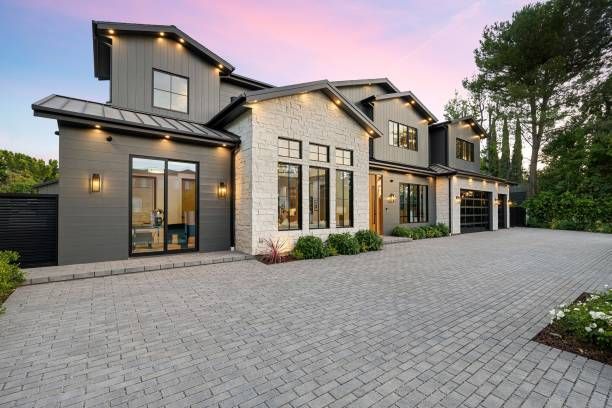
The concept exists because a segment of the market seeks more than basic housing. These properties represent a combination of lifestyle, long-term value preservation, and asset diversification. Over time, luxury real estate has evolved from simple high-priced homes into a specialized category shaped by global demand, design innovation, and financial planning strategies.
In modern markets, luxury properties are often associated with digital property listings, virtual tours, and data-driven valuation methods. High CPC keywords related to this domain include terms like luxury property investment, premium real estate market trends, high-end property valuation, and real estate portfolio diversification.
Why Luxury Real Estate Matters Today
Luxury real estate plays a significant role in both local and global economies. It reflects broader economic conditions, investor confidence, and evolving lifestyle preferences.
For individuals and investors, this category can provide:
-
Long-term asset stability
-
Portfolio diversification beyond traditional financial instruments
-
Access to premium living standards
-
Potential appreciation in high-demand regions
The importance of luxury real estate has increased due to changing work patterns and global mobility. Remote work and digital connectivity have allowed individuals to consider properties in multiple regions rather than being tied to a single location.
It also addresses several modern challenges:
-
Wealth preservation during inflationary periods
-
Demand for privacy and security
-
Growing interest in sustainable and smart homes
Below is a simple comparison table showing how luxury real estate differs from standard residential property:
| Feature | Standard Property | Luxury Property |
|---|
| Location | General urban/suburban | Prime or exclusive areas |
| Amenities | Basic | Advanced and customized |
| Market Sensitivity | Moderate | Influenced by global trends |
| Buyer Profile | General population | High-net-worth individuals |
| Technology Integration | Limited | Smart and automated systems |
Recent Updates and Market Trends
The luxury real estate sector has experienced notable changes over the past year, influenced by economic shifts and technological advancements.
Key trends observed during 2025–2026 include:
-
Increased adoption of smart home technology, including AI-based security and energy management systems
-
Rising demand for sustainable properties with eco-friendly materials and energy-efficient designs
-
Growth in digital property platforms offering virtual tours and remote transactions
-
Expansion of branded residences associated with hospitality and lifestyle brands
A simplified trend graph illustrates how interest in key luxury real estate features has evolved:
| Trend Category | 2024 Interest Level | 2025 Interest Level |
|---|
| Smart Homes | Medium | High |
| Sustainable Design | Medium | High |
| Remote Property Access | Low | Medium |
| Branded Residences | Medium | High |
Another notable update is the increasing role of data analytics in property valuation. Real estate platforms now use predictive models to estimate property performance, making the market more transparent and accessible for research purposes.
Laws and Regulatory Considerations
Luxury real estate is influenced by various regulations that differ across regions but generally focus on transparency, taxation, and ownership structures.
Key areas of regulation include:
-
Property registration and ownership verification
-
Taxation policies related to high-value assets
-
Zoning laws and land use restrictions
-
Environmental and sustainability compliance
Governments often introduce policies to ensure that high-value real estate transactions are properly documented and aligned with financial regulations. These measures aim to reduce risks such as fraud, money laundering, and tax evasion.
In many regions, additional compliance requirements may apply to foreign investors or cross-border property ownership. These can include reporting obligations, currency regulations, and approval processes.
Understanding these rules is essential for maintaining compliance and ensuring that property ownership remains legally secure.
Tools and Resources for Better Understanding
Several digital tools and resources can help individuals explore and analyze luxury real estate markets more effectively. These tools support research, valuation, and decision-making.
Commonly used tools include:
-
Real estate analytics platforms for tracking market trends
-
Property valuation calculators based on location and features
-
Virtual tour platforms for remote property viewing
-
Financial planning tools for asset allocation
-
Legal document templates for property agreements
Useful resource categories:
-
Market research websites providing insights on premium real estate
-
Mapping tools for analyzing location advantages
-
Investment tracking software for monitoring asset performance
-
Sustainability assessment tools for evaluating eco-friendly features
These tools contribute to more informed and transparent decision-making, especially in a segment where data accuracy and long-term planning are critical.
Frequently Asked Questions
What defines a property as luxury real estate?
A luxury property is generally defined by its location, design quality, amenities, and market value. It often includes premium features and is situated in a high-demand area.
Is luxury real estate affected by economic changes?
Yes, although it can be more resilient than standard housing, it is still influenced by global economic conditions, interest rates, and investor sentiment.
What are common features in luxury properties?
Common features include smart home technology, high-end materials, advanced security systems, private outdoor spaces, and unique architectural designs.
How does technology impact luxury real estate?
Technology has improved transparency and accessibility through virtual tours, data-driven valuations, and online property platforms, making research more efficient.
Are there risks associated with luxury real estate?
Like any asset, it carries risks such as market fluctuations, regulatory changes, and maintenance requirements. Proper research and planning can help manage these risks.
Conclusion
Luxury real estate properties represent a specialized segment of the housing market that combines lifestyle, innovation, and financial planning. They exist to meet the demand for high-quality living environments while also serving as long-term assets.
The importance of this sector continues to grow due to changing global trends, technological advancements, and evolving preferences for privacy, sustainability, and convenience. Recent developments show a strong shift toward smart and eco-friendly properties, along with increased use of digital tools for research and analysis.
Understanding the regulatory environment, using reliable tools, and staying informed about market trends are essential steps for navigating this space effectively. With a balanced and informed approach, luxury real estate can be better understood as both a lifestyle choice and a structured asset category within the broader property market.