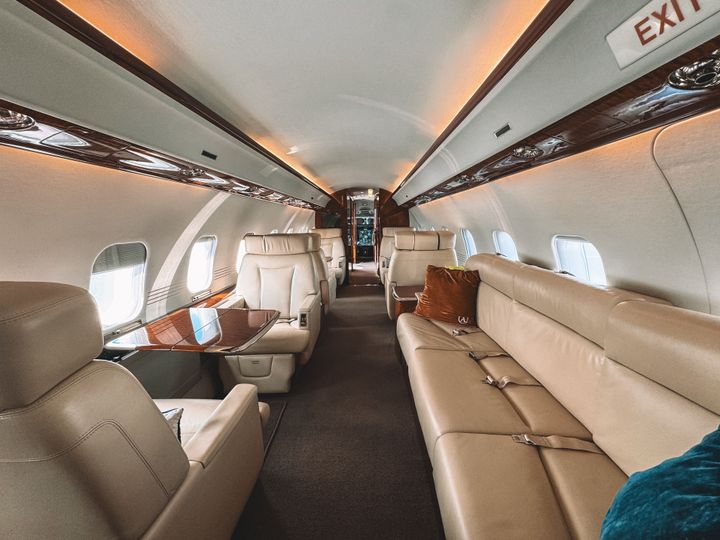
Luxury Private Jet Explained: Aviation Technology, Safety Features, and Passenger Experience
Luxury private jets are specialized aircraft designed to provide flexible air transportation while emphasizing passenger comfort, advanced aviation technology, and customized cabin environments. These aircraft are used for a variety of purposes, including business travel, government transportation, humanitarian missions, and personal mobility.
Modern private jets incorporate sophisticated engineering, navigation systems, communication technologies, and safety mechanisms similar to those found in commercial aviation. While cabin layouts and onboard amenities may differ, the fundamental principles of aircraft operation remain based on established aviation standards and regulations.
The private aviation sector has evolved significantly over the past several decades, driven by advancements in aircraft performance, fuel efficiency, digital systems, and passenger experience innovations.
Why Private Aviation Matters Today
Private aviation plays an important role in the broader transportation ecosystem by supporting flexible travel schedules, access to smaller airports, and specialized operational requirements.
Private aircraft may support:
- Business mobility
- Regional transportation
- Emergency response logistics
- Government travel
- Humanitarian operations
- Specialized aviation missions
- International connectivity
The sector also contributes to advancements in aviation technology, aircraft manufacturing, and operational efficiency.
How Private Jets Operate
Private jets function using the same fundamental aviation principles that govern commercial aircraft.
The flight process generally includes:
| Flight Stage | Purpose |
|---|---|
| Pre-Flight Planning | Route and weather preparation |
| Taxi Operations | Ground movement before departure |
| Takeoff | Aircraft ascent |
| Cruise Flight | Efficient travel at altitude |
| Descent | Controlled approach toward destination |
| Landing | Safe arrival procedures |
Aircraft systems continuously monitor performance, navigation, weather conditions, and safety parameters throughout the flight.
Types of Private Jets
Private jets are available in multiple categories based on range, passenger capacity, and mission requirements.
| Aircraft Category | Typical Characteristics |
|---|---|
| Very Light Jets | Compact aircraft for shorter routes |
| Light Jets | Regional travel capability |
| Midsize Jets | Extended range and cabin space |
| Super-Midsize Jets | Enhanced performance and comfort |
| Heavy Jets | Long-range international travel |
| Ultra-Long-Range Jets | Intercontinental flight capability |
Each category is designed to address different operational needs and flight profiles.
Aviation Technology in Modern Private Jets
Modern private jets utilize advanced aerospace technologies that improve efficiency, navigation, communication, and situational awareness.
Key technologies include:
- Digital flight decks
- Satellite navigation systems
- Terrain awareness systems
- Weather radar integration
- Flight management computers
- Advanced autopilot systems
- Real-time communication networks
- Aircraft performance monitoring
These technologies assist flight crews in maintaining safe and efficient operations.
Flight Deck and Cockpit Innovations
Aircraft cockpits have undergone substantial modernization in recent years.
Common cockpit technologies include:
- Glass cockpit displays
- Electronic flight instruments
- Integrated navigation systems
- Digital checklists
- Traffic awareness technology
- Automated flight controls
These innovations provide pilots with comprehensive operational information while supporting decision-making throughout the flight.
Safety Features in Private Aviation
Safety remains a central focus of modern aircraft design and operation.
Important aviation safety systems include:
- Traffic collision avoidance systems
- Terrain awareness and warning systems
- Emergency locator transmitters
- Fire detection systems
- Cabin pressure monitoring
- Weather detection equipment
- Redundant flight systems
- Advanced communication systems
Commercial and private aviation sectors both operate within highly regulated safety environments designed to support reliable aircraft operations.
Aircraft Structure and Engineering
Private jets are engineered using advanced materials and aerodynamic designs.
Common engineering considerations include:
- Lightweight composite materials
- Aerodynamic efficiency
- Structural durability
- Fuel efficiency optimization
- Noise reduction technologies
- Environmental performance improvements
Manufacturers continue researching innovative materials and design concepts that enhance aircraft performance.
Passenger Experience and Cabin Design
Passenger experience is one of the most visible aspects of private aviation.
Cabin features may include:
- Configurable seating arrangements
- Dedicated workspaces
- Conference areas
- Enhanced cabin lighting
- Advanced entertainment systems
- High-speed connectivity
- Noise-reduction technologies
- Climate-control systems
Cabin layouts vary depending on aircraft size and intended mission profile.
Connectivity and Digital Technologies
Digital connectivity has become increasingly important in modern aviation.
Examples include:
- Satellite internet access
- Secure communication networks
- Real-time flight tracking
- Connected cabin systems
- Digital maintenance monitoring
- Passenger information platforms
These technologies help improve operational awareness and passenger convenience.
Recent Industry Trends (2025–2026)
The private aviation industry continues to evolve alongside broader aerospace innovations.
Recent developments include:
- Sustainable aviation fuel initiatives
- Enhanced fuel-efficiency technologies
- AI-assisted maintenance systems
- Connected aircraft platforms
- Advanced avionics upgrades
- Cabin wellness technologies
- Predictive maintenance analytics
- Environmental performance improvements
The aviation sector continues exploring solutions that balance operational efficiency, safety, and sustainability.
Regulations and Aviation Standards
Private aviation operates under extensive regulatory frameworks.
Common areas of oversight include:
- Aircraft certification
- Pilot licensing requirements
- Airworthiness standards
- Flight operation regulations
- Maintenance documentation
- Safety management systems
- International aviation agreements
- Air traffic control procedures
These regulations help maintain safety, consistency, and operational reliability throughout the aviation industry.
Tools and Resources
Individuals interested in learning more about aviation can explore various educational resources.
Useful tools include:
- Flight tracking applications
- Aviation weather platforms
- Aircraft performance calculators
- Flight planning software
- Aviation learning resources
- Pilot training materials
- Aerospace industry publications
- Aircraft technology databases
These resources help explain how modern aviation systems function and evolve.
Comparison of Aircraft Categories
| Feature | Light Jet | Midsize Jet | Heavy Jet |
|---|---|---|---|
| Cabin Space | Moderate | Larger | Extensive |
| Flight Range | Regional | Extended | Long-distance |
| Passenger Capacity | Lower | Medium | Higher |
| Mission Flexibility | Regional routes | Mixed operations | International routes |
The characteristics of each category depend on aircraft design and operational requirements.
Frequently Asked Questions
What is a private jet?
A private jet is an aircraft designed for non-scheduled aviation operations, often providing flexible transportation options for various travel needs.
Are private jets subject to aviation regulations?
Yes. Private jets operate under national and international aviation regulations covering aircraft certification, maintenance, pilot qualifications, and flight operations.
What technologies are used in modern private jets?
Modern aircraft commonly use digital flight decks, satellite navigation systems, weather radar, autopilot systems, and advanced communication technologies.
How do private jets maintain safety during flights?
Aircraft utilize multiple safety systems, pilot training programs, maintenance procedures, air traffic coordination, and regulatory compliance measures.
What factors influence passenger experience in private aviation?
Cabin design, seating configuration, connectivity, noise management, lighting systems, and climate control technologies all contribute to the passenger experience.
Conclusion
Luxury private jets represent a combination of advanced aerospace engineering, modern aviation technology, comprehensive safety systems, and passenger-focused design. While often associated with premium travel experiences, these aircraft also reflect broader innovations occurring throughout the aviation industry.
Understanding aircraft categories, safety technologies, cockpit systems, engineering principles, and industry developments provides valuable insight into how modern private aviation operates. As aerospace technology continues to advance, areas such as sustainability, digital connectivity, and operational efficiency are expected to remain important drivers of future innovation.
Disclaimer
This article is intended solely for informational and educational purposes. It does not promote, endorse, recommend, market, facilitate, or encourage the acquisition, chartering, ownership, or use of any aircraft, aviation company, or transportation provider. References to private aviation are provided only to explain aviation technologies, safety systems, engineering concepts, and industry developments. This content should not be considered aviation, legal, financial, operational, or professional advice. Readers should consult qualified aviation professionals and relevant regulatory authorities for guidance regarding specific aviation matters.