Luxury Private Event Yards Explained: Venue Features, Amenities, and Celebration Planning Insights
Luxury private event yards have become increasingly popular for hosting weddings, corporate gatherings, family celebrations, social functions, and exclusive outdoor experiences. Combining open-air environments with premium amenities and thoughtful landscape design, these venues offer flexibility, privacy, and memorable settings for a wide range of occasions.
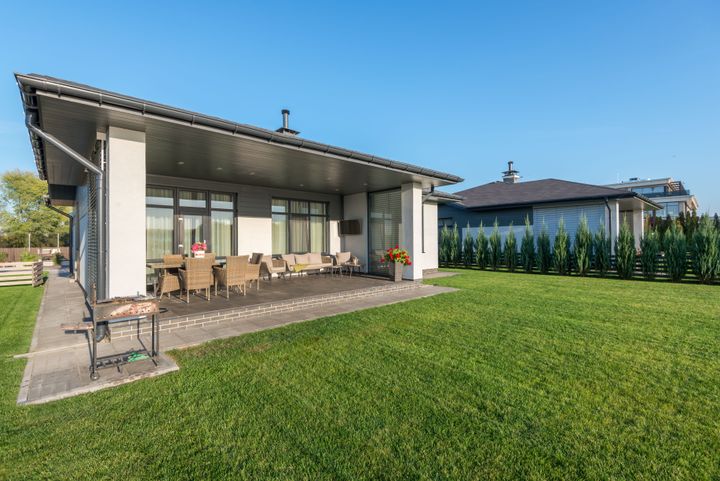
Modern event yards often incorporate architectural elements, outdoor entertainment spaces, decorative landscaping, hospitality facilities, and customizable layouts that can accommodate various event styles and guest experiences.
This guide explores luxury private event yard concepts, venue features, amenities, design considerations, and event planning insights from an educational perspective. It does not provide event management, legal, financial, hospitality, or venue-booking advice.
Understanding Luxury Private Event Yards
A luxury private event yard is an outdoor venue space designed to host private gatherings, celebrations, and organized events in a controlled and aesthetically appealing environment.
Common characteristics may include:
- Landscaped outdoor areas
- Private access
- Event infrastructure
- Hospitality amenities
- Flexible layouts
- Premium guest experiences
Venue features vary depending on property size, location, and intended use.
The Growing Popularity of Outdoor Events
Outdoor venues continue attracting interest for many types of celebrations.
Factors contributing to popularity may include:
- Open-air environments
- Scenic settings
- Flexible event design
- Natural lighting
- Spacious layouts
- Personalized experiences
Many hosts value the unique atmosphere that outdoor venues can provide.
Common Types of Events Hosted
Luxury event yards may accommodate a wide range of gatherings.
Examples include:
Weddings
Outdoor ceremonies and receptions are among the most common uses for private event yards.
Corporate Events
Businesses may utilize outdoor venues for meetings, networking events, and team-building activities.
Family Celebrations
Private venues can host anniversaries, birthdays, reunions, and milestone events.
Social Gatherings
Outdoor spaces are often used for exclusive parties, cultural events, and community functions.
Landscape Design and Visual Appeal
Landscaping plays an important role in shaping guest experiences.
Common features may include:
- Decorative gardens
- Lawn areas
- Water features
- Tree-lined pathways
- Floral displays
- Natural scenery
Landscape design often contributes significantly to the venue's atmosphere.
Outdoor Seating and Gathering Areas
Seating arrangements influence comfort and event functionality.
Potential configurations may include:
- Lounge spaces
- Dining layouts
- Ceremony seating
- Conversation areas
- Relaxation zones
Flexible seating options support diverse event formats.
Architectural Features
Many luxury event yards incorporate built structures that complement outdoor environments.
Examples may include:
- Pavilions
- Gazebos
- Pergolas
- Covered terraces
- Outdoor stages
Architectural elements can enhance both aesthetics and practicality.
Premium Amenities
Luxury venues often provide amenities designed to support guest comfort and event operations.
Examples may include:
- Hospitality facilities
- Catering support areas
- Climate-controlled spaces
- Restroom facilities
- Guest reception areas
The range of amenities varies by venue and event type.
Entertainment and Event Infrastructure
Modern event venues frequently include infrastructure that supports organized activities.
Examples may include:
- Audio systems
- Lighting installations
- Performance areas
- Projection capabilities
- Connectivity solutions
Technology and infrastructure contribute to event flexibility.
Lighting Design for Evening Events
Lighting can significantly influence the atmosphere of outdoor gatherings.
Common approaches include:
- Ambient lighting
- Decorative illumination
- Landscape lighting
- Pathway lighting
- Feature lighting
Thoughtful lighting design can enhance both safety and visual appeal.
Catering and Dining Considerations
Food and beverage service often play an important role in event planning.
Venue-related considerations may include:
- Catering access
- Dining layouts
- Food preparation areas
- Service logistics
- Guest circulation
Requirements vary according to event scale and venue design.
Privacy and Exclusivity
Private event yards are often valued for their controlled environments.
Potential advantages may include:
- Restricted access
- Dedicated event spaces
- Personalized experiences
- Reduced external disruptions
Privacy considerations frequently influence venue selection decisions.
Weather and Seasonal Planning
Outdoor events are influenced by environmental conditions.
Planning considerations may include:
- Seasonal variations
- Shade availability
- Covered spaces
- Weather contingency options
- Guest comfort measures
Venue design often incorporates features intended to support event flexibility.
Accessibility and Guest Experience
Modern venues increasingly emphasize accessibility and convenience.
Considerations may include:
- Parking facilities
- Mobility access
- Wayfinding systems
- Guest services
- Inclusive design features
Accessibility contributes to overall event experiences.
Sustainability in Outdoor Venue Design
Environmental considerations are becoming more prominent within venue development.
Examples may include:
- Water-efficient landscaping
- Native plant selections
- Energy-conscious lighting
- Sustainable materials
- Resource management practices
Approaches vary according to location and operational objectives.
Technology Integration in Event Venues
Technology continues influencing hospitality and event spaces.
Examples may include:
- Digital booking systems
- Smart lighting controls
- Wireless connectivity
- Event management platforms
- Security monitoring systems
Technology integration supports both operations and guest experiences.
Event Planning Considerations
Successful event planning often involves coordination of multiple elements.
Common considerations include:
- Guest capacity
- Layout design
- Vendor access
- Event flow
- Safety planning
- Logistics management
Specific requirements depend on the nature of the event and venue capabilities.
Hospitality and Experience Trends in 2026
Several developments continue shaping luxury event venues.
Current trends include:
- Personalized guest experiences
- Outdoor wellness-inspired environments
- Sustainable venue practices
- Technology-enhanced event management
- Flexible event layouts
- Premium landscape design
- Hybrid indoor-outdoor concepts
- Experience-focused celebrations
These trends reflect broader changes within hospitality and event industries.
Frequently Asked Questions
What is a luxury private event yard?
A luxury private event yard is an outdoor venue designed for hosting private celebrations, gatherings, and organized events in a premium setting.
What types of events are commonly hosted?
Common events include weddings, corporate gatherings, family celebrations, social functions, and cultural occasions.
Why are outdoor venues popular?
Outdoor environments often provide spacious layouts, natural scenery, flexibility, and distinctive guest experiences.
What amenities may be available?
Amenities may include seating areas, catering facilities, lighting systems, hospitality spaces, and event infrastructure.
Why is landscape design important?
Landscaping contributes to visual appeal, atmosphere, guest comfort, and overall venue character.
Conclusion
Luxury private event yards combine outdoor beauty, premium amenities, thoughtful design, and flexible functionality to support a wide variety of celebrations and gatherings. Through landscaped environments, hospitality-focused features, architectural enhancements, and modern event infrastructure, these venues continue attracting individuals and organizations seeking memorable event experiences.
As hospitality and event planning trends evolve, luxury outdoor venues are expected to place increasing emphasis on personalization, sustainability, technology integration, and guest-centered design while maintaining their focus on elegance, privacy, and flexibility.
Disclaimer
This article is intended solely for informational and educational purposes. It does not provide legal, financial, hospitality, event management, venue selection, safety, insurance, construction, or professional planning advice. It does not endorse, recommend, compare, rank, review, market, or promote any venue, property, service provider, event organizer, or hospitality business. Venue features, availability, regulations, pricing, amenities, and operational policies vary by location and provider. Readers should