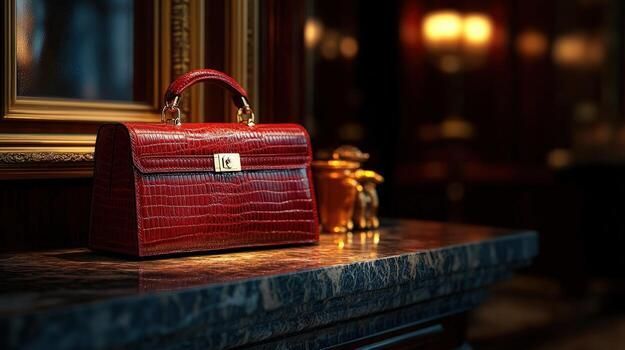
Luxury Handbags Guide: Explore Tips, Insights, Advice, and Helpful Information
Luxury handbags are premium fashion accessories known for their craftsmanship, materials, design heritage, and attention to detail. They are often associated with established fashion houses that focus on quality manufacturing, innovative design, and long-lasting construction.
The concept of luxury handbags emerged from the need for functional accessories that could also reflect personal style and social trends. Over time, handbags evolved from simple carrying items into recognized fashion pieces that combine practicality with artistic design.
Today, luxury handbags are produced using a variety of materials, including leather, canvas, suede, and innovative sustainable fabrics. Many brands emphasize handcrafted techniques, durable stitching, premium hardware, and distinctive design elements that help differentiate their collections.
Consumers, fashion enthusiasts, collectors, and industry analysts often study luxury handbags to understand broader trends in fashion, craftsmanship, brand heritage, and consumer behavior.
Why Luxury Handbags Matter Today
Luxury handbags remain relevant because they represent a combination of functionality, design innovation, and cultural influence. They affect multiple industries, including fashion, retail, manufacturing, digital marketing, and sustainability.
Several factors contribute to their continued importance:
• Craftsmanship preservation through traditional manufacturing techniques
• Influence on global fashion trends and consumer preferences
• Growing interest in sustainable materials and responsible sourcing
• Importance of authentication and product transparency
• Role in personal style and fashion expression
Luxury handbags also help address practical needs by offering organized storage, durability, and long-term usability. Consumers increasingly focus on quality and longevity rather than frequent replacement, making premium craftsmanship an important topic of discussion.
Luxury Handbag Industry Snapshot
| Category | Key Focus |
|---|---|
| Materials | Leather, canvas, recycled textiles |
| Design | Functionality and aesthetics |
| Technology | Digital authentication tools |
| Sustainability | Responsible sourcing initiatives |
| Consumer Interest | Durability and craftsmanship |
| Market Trends | Circular fashion and resale growth |
Recent Trends and Developments
The luxury handbag industry has experienced notable developments during 2025 and early 2026.
Sustainability Initiatives
Many fashion brands continued expanding sustainability programs throughout 2025. These initiatives included increased use of recycled materials, traceable supply chains, and lower-impact manufacturing processes.
Environmental reporting and transparency have become more important as consumers seek information about product origins and material sourcing.
Digital Authentication Growth
Authentication technology gained wider adoption in 2025. Digital certificates, blockchain-based tracking systems, and product identification technologies have become more common across premium fashion categories.
These systems aim to improve transparency and help consumers verify product authenticity.
Circular Fashion Expansion
The circular fashion movement continued to grow during 2025. Industry observers noted increased attention toward repair programs, refurbishment initiatives, and product longevity strategies.
This trend reflects broader consumer interest in reducing waste and extending the lifespan of fashion products.
Technology Integration
Fashion brands increasingly explored artificial intelligence for inventory management, trend forecasting, and customer engagement. While handbags remain physical products, technology plays a growing role in design analysis and supply-chain optimization.
Luxury Handbag Trend Comparison
| Trend | Growing Influence |
| Sustainability | Very High |
| Authentication Technology | High |
| Circular Fashion | High |
| Smart Supply Chains | Moderate |
| Material Innovation | High |
Laws, Regulations, and Policy Considerations
Luxury handbags are influenced by various regulations depending on the country and region where they are manufactured, distributed, or imported.
Consumer Protection Rules
Consumer protection laws generally require accurate product descriptions, transparent labeling, and truthful advertising. Businesses must provide factual information about materials, manufacturing claims, and product features.
Intellectual Property Protection
Luxury fashion brands often rely on trademarks, copyrights, and design protections to safeguard their products. Intellectual property regulations help prevent unauthorized reproduction of protected designs and branding elements.
Environmental Compliance
Many regions have introduced environmental reporting requirements that affect manufacturing processes and material sourcing. Companies may need to demonstrate compliance with environmental standards and sustainability frameworks.
Wildlife Material Regulations
Certain handbag materials may be subject to wildlife protection regulations. International agreements and national laws can regulate the use, transport, and documentation of specific animal-derived materials.
Data and Digital Authentication Policies
As digital authentication systems become more common, privacy regulations and cybersecurity requirements increasingly affect how consumer and product data are managed.
Regulatory Areas Affecting Luxury Handbags
| Regulatory Area | Purpose |
| Consumer Protection | Accurate information |
| Trademark Protection | Brand identity security |
| Environmental Rules | Sustainable practices |
| Import Regulations | Cross-border compliance |
| Data Privacy | Secure digital systems |
Helpful Tools and Resources
Several tools and resources can help individuals learn more about luxury handbags, fashion trends, and product verification.
Authentication Platforms
Authentication services and verification technologies can assist in understanding product identification methods and authentication standards.
Useful features include:
• Digital certificates
• Product serial tracking
• Image-based verification systems
• Documentation review tools
Fashion Research Websites
Industry publications and fashion research platforms provide information about:
• Market trends
• Material innovations
• Sustainability developments
• Consumer behavior insights
Sustainability Resources
Environmental reporting databases and sustainability organizations offer educational resources regarding:
• Responsible sourcing
• Material traceability
• Circular fashion principles
• Environmental impact assessments
Fashion Industry Analytics Tools
Professional analytics platforms can provide insights into:
• Fashion industry trends
• Brand performance data
• Consumer engagement patterns
• Market intelligence reports
Educational Resources
Helpful educational materials may include:
• Fashion design courses
• Leather craftsmanship guides
• Material science resources
• Luxury goods industry reports
Key Features Often Discussed in Luxury Handbags
When evaluating luxury handbags from an educational perspective, analysts frequently examine the following characteristics:
| Feature | Description |
| Material Quality | Construction materials used |
| Craftsmanship | Production techniques |
| Durability | Long-term performance |
| Functionality | Storage and usability |
| Design Heritage | Historical design influence |
| Sustainability | Environmental considerations |
Frequently Asked Questions
What makes a handbag considered luxury?
A luxury handbag is generally characterized by premium materials, high-quality craftsmanship, attention to detail, and strong design heritage. These products often emphasize durability, construction quality, and distinctive design elements.
Why is authentication important?
Authentication helps verify whether a product matches the specifications and standards established by its manufacturer. It supports transparency and helps consumers understand product origins and characteristics.
Are sustainability practices becoming more important in luxury fashion?
Yes. Sustainability has become a significant topic within the fashion industry. Many organizations are focusing on responsible sourcing, material innovation, supply-chain transparency, and environmental reporting.
How do regulations affect luxury handbags?
Regulations can influence manufacturing, labeling, intellectual property protection, environmental compliance, import procedures, and consumer transparency requirements.
What resources can help someone learn more about luxury handbags?
Educational resources include fashion industry reports, sustainability publications, authentication guides, material science references, design history resources, and market research platforms.
Conclusion
Luxury handbags represent a unique intersection of craftsmanship, fashion, functionality, and innovation. Their significance extends beyond personal style, influencing manufacturing standards, sustainability discussions, digital authentication technologies, and consumer behavior trends.
Recent developments in 2025 and 2026 highlight growing attention toward responsible sourcing, product transparency, material innovation, and circular fashion practices. At the same time, regulations related to consumer protection, intellectual property, environmental compliance, and digital systems continue to shape the industry.
By understanding the materials, craftsmanship, trends, regulations, and educational resources associated with luxury handbags, readers can gain a broader perspective on one of the most influential segments of the global fashion industry.