Table of Contents

Luxury Bathroom Design Guide: Premium Bathtubs, Accent Chairs, Materials, and Modern Interior Insights

Luxury Bathroom Design Guide: Premium Bathtubs, Accent Chairs, Materials, and Modern Interior Insights

Luxury bathrooms have evolved from purely functional spaces into carefully designed environments that emphasize comfort, aesthetics, relaxation, and personal well-being. Modern high-end bathroom design often combines architectural planning, premium materials, sophisticated fixtures, and wellness-inspired elements to create spaces that feel both practical and elegant.

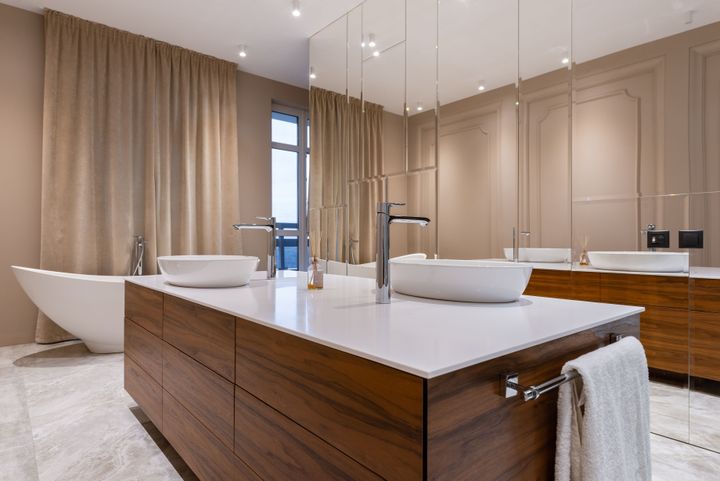
From freestanding bathtubs and designer seating to natural stone surfaces and smart technology integration, luxury bathroom design continues to reflect broader trends in residential architecture and interior design.

This guide explores premium bathroom design concepts, materials, furniture elements, layout considerations, and contemporary interior design trends from an educational perspective. It does not provide architectural, construction, purchasing, investment, or professional design advice.

Understanding Luxury Bathroom Design

Luxury bathroom design focuses on creating a refined environment that balances functionality with visual appeal.

Common objectives may include:

  • Comfort and relaxation
  • Premium aesthetics
  • Efficient space planning
  • High-quality materials
  • Wellness-focused environments
  • Personalized design elements

Luxury design approaches vary according to architectural style, available space, and individual preferences.

The Evolution of Modern Bathrooms

Bathrooms have become increasingly important within contemporary residential design.

Key developments include:

  • Spa-inspired layouts
  • Premium fixtures
  • Wellness-oriented features
  • Smart technology integration
  • Open-concept design influences
  • Natural material applications

These trends continue shaping modern luxury interiors.

Premium Bathtubs as Design Focal Points

Freestanding bathtubs are often considered centerpiece elements within luxury bathrooms.

Common design characteristics include:

  • Sculptural forms
  • Contemporary styling
  • Spacious dimensions
  • Minimalist aesthetics
  • Visual prominence

Bathtub selection often influences the overall design language of the space.

Types of Luxury Bathtubs

Various bathtub styles are commonly incorporated into premium interiors.

Freestanding Bathtubs

Freestanding designs are frequently used as visual focal points.

Soaking Tubs

These tubs are generally designed to provide deeper bathing experiences.

Oval and Organic Shapes

Curved forms often contribute to softer and more relaxing visual aesthetics.

Contemporary Geometric Designs

Modern interiors may feature clean lines and architectural forms.

The most suitable design depends on the overall interior concept and available space.

Accent Chairs in Bathroom Design

Luxury bathrooms increasingly incorporate furniture elements traditionally found in living spaces.

Accent chairs may serve purposes such as:

  • Creating relaxation zones
  • Enhancing visual interest
  • Supporting functional seating
  • Adding warmth to larger spaces

Furniture selection should consider both aesthetics and environmental conditions.

Lounge-Inspired Wellness Spaces

High-end bathroom design often draws inspiration from hospitality and wellness environments.

Common features may include:

  • Reading corners
  • Relaxation seating
  • Decorative furniture
  • Natural lighting
  • Open layouts

These elements help create a spa-like atmosphere within residential settings.

Material Selection and Design Impact

Materials play a major role in defining the appearance and character of luxury bathrooms.

Popular options may include:

  • Natural stone
  • Marble surfaces
  • Quartz materials
  • Porcelain finishes
  • Wood accents
  • Metallic details

Material combinations often contribute to visual depth and sophistication.

Marble and Natural Stone Applications

Natural stone remains one of the most recognizable elements of luxury interior design.

Common applications include:

  • Flooring
  • Wall cladding
  • Vanity surfaces
  • Decorative accents
  • Bathtub surrounds

Stone materials are valued for their unique patterns and timeless appearance.

Wood Elements and Warmth

Wood accents are frequently incorporated to balance the visual coolness of stone and tile surfaces.

Examples may include:

  • Vanity cabinetry
  • Decorative panels
  • Furniture components
  • Shelving systems

Natural textures often contribute to a welcoming atmosphere.

Color Palettes in Luxury Bathrooms

Color selection influences both mood and visual perception.

Popular approaches may include:

  • Neutral tones
  • Earth-inspired palettes
  • Soft monochromatic schemes
  • Natural material colors
  • High-contrast modern combinations

Design strategies vary according to desired aesthetics.

Lighting Design Considerations

Lighting plays a significant role in luxury interiors.

Common lighting categories include:

Ambient Lighting

Provides overall illumination throughout the space.

Task Lighting

Supports grooming and functional activities.

Accent Lighting

Highlights architectural and decorative features.

Layered lighting strategies are frequently used to enhance visual balance.

Vanity Design and Storage Solutions

Vanity areas often serve as important functional and visual components.

Design considerations may include:

  • Storage efficiency
  • Material selection
  • Countertop integration
  • Mirror placement
  • Lighting coordination

Modern vanities frequently combine practicality with architectural aesthetics.

Smart Technology Integration

Technology continues influencing bathroom design.

Examples may include:

  • Smart mirrors
  • Digital controls
  • Automated lighting
  • Temperature management systems
  • Connected home integration

Technology applications vary according to project objectives and homeowner preferences.

Wellness-Inspired Design Concepts

Many luxury bathrooms are designed with wellness and relaxation in mind.

Common features may include:

  • Spacious layouts
  • Natural materials
  • Comfort-focused furniture
  • Relaxation zones
  • Visual simplicity

These elements contribute to calm and restorative environments.

Space Planning and Layout Design

Effective space planning supports both functionality and aesthetics.

Considerations may include:

  • Circulation flow
  • Fixture placement
  • Visual balance
  • Storage accessibility
  • Spatial proportions

Well-planned layouts often enhance usability and comfort.

Sustainable Luxury Design

Sustainability is becoming increasingly relevant within premium residential design.

Areas of focus may include:

  • Water-efficient fixtures
  • Durable materials
  • Responsible sourcing
  • Energy-conscious lighting
  • Long-lasting construction solutions

Many contemporary projects seek to balance luxury and environmental awareness.

Interior Design Trends in 2026

Several developments continue influencing luxury bathroom design.

Current trends include:

  • Spa-inspired residential spaces
  • Freestanding bathtub installations
  • Natural stone applications
  • Smart home integration
  • Wellness-centered layouts
  • Organic design forms
  • Sustainable material selections
  • Hospitality-inspired interiors

These trends reflect broader changes occurring across residential architecture and interior design.

Frequently Asked Questions

What defines a luxury bathroom?

Luxury bathrooms often emphasize premium materials, thoughtful design, comfort-focused features, and sophisticated aesthetics.

Why are freestanding bathtubs popular?

They frequently serve as visual focal points and contribute to spa-inspired design concepts.

Can accent chairs be used in bathrooms?

In appropriately sized spaces, accent chairs may provide additional comfort and enhance interior styling.

Which materials are commonly used in luxury bathrooms?

Popular materials include marble, natural stone, quartz, porcelain, wood accents, and premium metal finishes.

How does lighting affect bathroom design?

Lighting influences functionality, mood, visual comfort, and the overall appearance of interior spaces.

Conclusion

Luxury bathroom design combines architecture, materials, furniture, lighting, and wellness-inspired concepts to create sophisticated living environments. Through the use of premium bathtubs, carefully selected accent chairs, natural materials, and thoughtful space planning, modern bathrooms have become important expressions of personal style and residential comfort.

As interior design trends continue evolving, luxury bathrooms are expected to become increasingly integrated with wellness principles, smart technology, and sustainable design practices while maintaining their focus on comfort, elegance, and functionality.

Disclaimer

This article is intended solely for informational and educational purposes. It does not provide architectural, construction, engineering, interior design, purchasing, legal, financial, or professional advice. It does not endorse, recommend, compare, rank, review, market, or promote any manufacturer, designer, retailer, product, or service. Material performance, design suitability, installation requirements, and project outcomes vary according to individual circumstances and project specifications. Readers should consult qualified professionals for project-specific guidance.


author-image

Ravi Shankar Maurya

We create purposeful content that speaks, resonates, and drives action.

June 23, 2026 . 9 min read