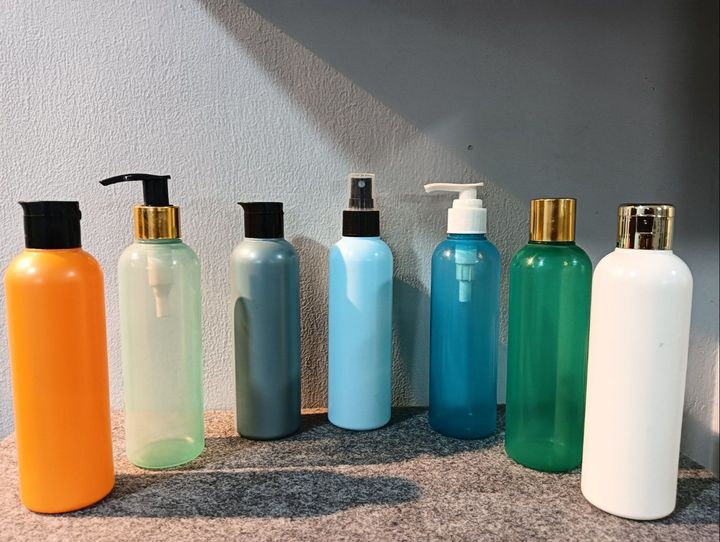
Learn About Organic Dandruff Shampoo: Complete Overview, Information, Advice, Suggestions, and Details
Organic dandruff shampoo is a type of hair care product designed to help manage dandruff while using ingredients that are derived primarily from natural or organically sourced materials. These shampoos are developed for people who want scalp care solutions that rely less on synthetic additives and more on plant-based ingredients.
Dandruff is a common scalp condition that can cause visible flakes, itching, and scalp irritation. It affects people of different ages and hair types. Organic dandruff shampoos were introduced to address these concerns while supporting broader consumer interest in natural hair care products and sustainable personal care practices.
Common ingredients found in organic dandruff shampoo formulations include:
- Tea tree oil
- Aloe vera
- Neem extract
- Rosemary oil
- Peppermint oil
- Coconut-derived cleansers
- Chamomile extract
- Apple cider vinegar
These ingredients are often included because they are associated with scalp cleansing, moisture balance, and overall scalp wellness.
Why Organic Dandruff Shampoo Matters Today
Scalp health has become an increasingly important topic within the broader hair wellness industry. Many people now view scalp care as an essential part of personal grooming and long-term hair maintenance.
Organic dandruff shampoo may help address several concerns:
| Common Concern | Potential Focus Area |
|---|---|
| Scalp flakes | Scalp cleansing |
| Itching | Comfort and hydration |
| Dry scalp | Moisture support |
| Product buildup | Gentle cleansing |
| Sensitive skin | Reduced exposure to harsh ingredients |
The growing interest in ingredient transparency has also contributed to the popularity of organic and naturally inspired hair care products. Consumers frequently read ingredient labels and seek products that align with their personal preferences regarding sustainability, environmental awareness, and simplified formulations.
People who may explore organic dandruff shampoo options include:
- Individuals experiencing recurring dandruff
- People with sensitive scalps
- Consumers interested in herbal hair care
- Those seeking sulfate free shampoo alternatives
- Individuals focused on healthy scalp care routines
Recent Updates and Industry Trends
The hair care sector has experienced several notable developments during the past year.
In 2025 and early 2026, many personal care brands expanded ingredient transparency initiatives, making it easier for consumers to understand the source and purpose of ingredients used in scalp care products.
Several trends have gained attention:
- Increased use of microbiome-friendly scalp care formulations
- Greater emphasis on plant-based anti dandruff ingredients
- Growth in sulfate-free and silicone-free product categories
- More research into scalp barrier health
- Rising interest in essential-oil-based scalp treatments
The following chart illustrates general consumer interest trends in natural scalp care categories.
| Trend Area | Relative Growth Interest |
| Scalp Health Education | High |
| Organic Hair Care | High |
| Sulfate-Free Products | Moderate to High |
| Herbal Hair Solutions | Moderate |
| Ingredient Transparency | High |
Industry publications throughout 2025 reported that consumers increasingly consider scalp care as important as skin care. Educational content related to scalp microbiomes, hydration balance, and ingredient awareness became more common across health and beauty resources.
Researchers continue studying the relationship between scalp conditions, environmental factors, personal grooming habits, and ingredient effectiveness.
Regulations, Standards, and Policies
Organic dandruff shampoos are influenced by various regulations and standards that help ensure product safety and labeling accuracy.
The specific requirements vary by country, but common regulatory areas include:
- Cosmetic ingredient safety
- Product labeling standards
- Organic certification requirements
- Advertising and marketing compliance
- Consumer protection regulations
Manufacturers generally must follow rules regarding:
- Accurate ingredient disclosure
- Safety assessments
- Manufacturing practices
- Claims substantiation
- Allergen declarations where required
Some products may display organic certifications if they meet established certification criteria. However, certification standards differ between organizations and regions.
Consumers should understand that the term "organic" can have different meanings depending on local regulations, certification systems, and product categories. Reading labels and reviewing certification details can provide additional context.
Government agencies and consumer protection authorities in many regions regularly monitor cosmetic products to help ensure compliance with applicable laws and public safety standards.
Helpful Tools and Resources
A variety of resources can help individuals learn more about scalp health, ingredient selection, and hair care practices.
| Resource Type | Purpose |
| Ingredient Databases | Research shampoo ingredients |
| Cosmetic Label Readers | Understand formulation details |
| Dermatology Information Sites | Learn about scalp conditions |
| Hair Care Journals | Explore research findings |
| Personal Care Trackers | Monitor routines and results |
| Health Education Platforms | Access scalp care guidance |
Useful categories of tools include:
Ingredient Analysis Platforms
These resources allow users to review ingredient lists and learn about common anti dandruff ingredients, preservatives, surfactants, and botanical extracts.
Scalp Care Tracking Apps
Many people use personal care journals or mobile applications to track changes in scalp condition, washing frequency, and product usage.
Educational Health Resources
Health organizations and dermatology associations often publish educational materials related to dandruff, scalp irritation, and general scalp health management.
Product Label Guides
Ingredient reference guides can help consumers better understand common terms used in natural hair products and organic personal care formulations.
Practical Advice for Choosing an Organic Dandruff Shampoo
When evaluating different products, it can be helpful to focus on objective factors rather than marketing language.
Consider reviewing:
- Ingredient transparency
- Scalp compatibility
- Presence of botanical extracts
- Cleansing strength
- Moisturizing ingredients
- Fragrance sensitivity considerations
It may also be useful to monitor how your scalp responds over time rather than expecting immediate results.
General scalp care habits that support overall hair wellness include:
- Washing hair according to scalp needs
- Avoiding excessive scratching
- Maintaining a balanced lifestyle
- Managing environmental exposure when possible
- Following product directions carefully
Because scalp conditions can have different causes, what works well for one person may not work the same way for another.
Frequently Asked Questions
What is the difference between organic dandruff shampoo and regular dandruff shampoo?
Organic dandruff shampoo typically emphasizes naturally derived or organically sourced ingredients, while conventional dandruff shampoos may rely more heavily on synthetic ingredients. Both categories aim to support scalp cleanliness and dandruff management.
Can organic dandruff shampoo completely eliminate dandruff?
Results vary depending on the individual, scalp condition, lifestyle factors, and product formulation. Dandruff can have multiple causes, so outcomes differ from person to person.
How often should organic dandruff shampoo be used?
Usage depends on the specific product instructions, scalp condition, and personal hair care routine. Following manufacturer guidance is generally recommended.
Are essential oils commonly used in organic dandruff shampoos?
Yes. Ingredients such as tea tree oil, peppermint oil, rosemary oil, and lavender oil are frequently included in natural scalp care products.
Is ingredient transparency important when choosing a shampoo?
Many consumers consider ingredient transparency valuable because it helps them understand product contents and make informed decisions based on personal preferences and sensitivities.
Conclusion
Organic dandruff shampoo represents a growing segment of the hair care industry that focuses on natural scalp care, ingredient awareness, and holistic hair wellness practices. These products are designed to help individuals address common scalp concerns while utilizing ingredients that are often plant-based or naturally derived.
Recent developments in scalp health research, ingredient transparency, and consumer education have contributed to increased interest in organic hair care solutions. At the same time, regulations and labeling standards continue to play an important role in helping consumers access accurate product information.
Understanding ingredients, reviewing labels carefully, following good scalp care practices, and staying informed through reliable educational resources can help individuals make thoughtful decisions about their hair care routines. As awareness of scalp health continues to grow, organic dandruff shampoo remains an important topic within modern personal care and hair wellness discussions.