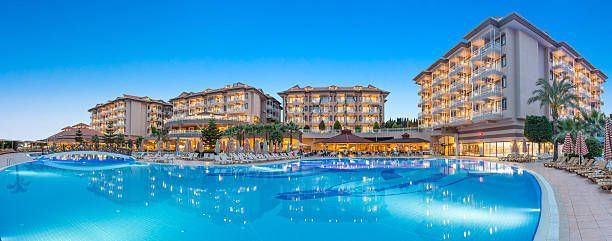
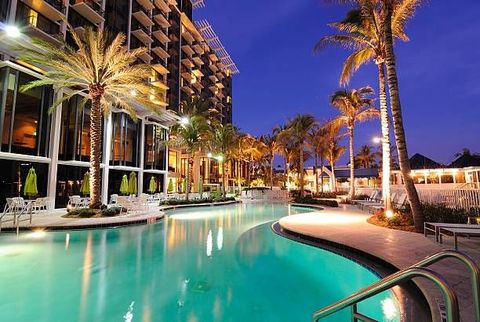
The concept of luxury resorts grew from the demand for upscale travel experiences where guests seek relaxation, privacy, bespoke services, and cultural or wellness engagement. These resorts emerged as part of a broader travel and hospitality industry that caters to travellers looking for elevated experiences, combining leisure with comfort and sophistication.
Why Luxury Resorts Matter Today
Luxury resorts play a significant role in global tourism and impact several groups:
For travellers:
• They offer environments that balance comfort with unique experiences — from spa retreats and gastronomic journeys to cultural immersion.
• They support wellbeing and relaxation, providing spaces for reset and reflection.
• They prove useful for celebratory travel, long-awaited breaks, and meaningful life moments.
For destinations:
• Resorts contribute to local economies through job creation, infrastructure development, and tourism revenue.
• High-end tourism can promote cultural exchange and sustainable tourism practices when done responsibly.
Contemporary challenges they help address:
• The need for purposeful travel where emotional wellbeing and environmental stewardship matter.
• Providing destinations with diversified tourism models that attract visitors year-round.
What’s New in Luxury Resorts (Trends from 2025–2026)
Wellness and Purpose-Driven Stays:
Modern luxury travellers increasingly seek destinations prioritising wellness, sustainability, and personal meaning. By late 2025 and going into 2026, luxury resort experiences have been reframed around health, mental clarity, and connection with nature — not just traditional relaxation. Resorts now often integrate spa treatments, mindfulness programmes, restorative design, and activities that support physical and emotional renewal.
Sustainability as a Core Principle:
Properties are adopting regenerative tourism practices, protecting ecosystems while engaging local communities. Destinations such as the Saudi Red Sea Project exemplify how luxury travel integrates conservation with high-end hospitality.
Tech and Personalisation:
Artificial intelligence, mobile apps, smart rooms, and virtual concierge services are enhancing guest experiences by tailoring environments and services to individual preferences. Technology now supports smoother experiences, from contactless check-ins to personalised activity suggestions.
Quiet and Authentic Luxury:
Luxury is shifting towards understated elegance and cultural immersion rather than grandiosity. Guests increasingly value subtle design, local art and architecture, and experiences that reflect a destination’s heritage.
New Property Openings and Concepts:
Several hospitality brands are expanding with unique properties and experiences around the world, including smaller, boutique environments and even luxury travel products like branded yachts and unique journeys that blur the lines between land, sea, and wellness travel.
How Laws, Policies, and Regulations Shape Luxury Resorts
Laws and government policies affect how luxury resorts operate and develop:
Tourism Visas and Government Initiatives:
Countries often adjust visa rules to encourage tourism. For example, some nations are exploring streamlined regional visas to facilitate travel for foreigners, which can boost demand for luxury destinations. (This is especially relevant in regions restructuring travel policies.)
Environmental and Zoning Regulations:
Resort development must comply with environmental protection laws, especially in fragile zones like coastlines, islands, and protected forests. Conservation rules may dictate building sizes, waste management, and ecosystem preservation.
Health and Safety Standards:
Hospitality facilities follow strict national health codes for water, food, sanitation, emergency preparedness, and worker safety. These regulations vary by country but aim to protect guests and staff.
Local Community and Cultural Protection:
Policies in some places require engagement with local communities and cultural preservation measures, ensuring development benefits residents and respects heritage.
Tools and Resources for Luxury Resort Planning and Research
Websites & Industry Reports
-
World Tourism Organization (UNWTO) – high-level analyses of global tourism trends and data.
-
Luxury Travel Advisor – industry insights and data on luxury travel patterns.
-
Travel industry trend reports (e.g., from hospitality research bodies) – annual insights on tourism and resort experiences.
Technology & Planning Tools
-
AI-powered booking platforms – help with researching and matching preferences (e.g., trip planners with smart filters).
-
Wellness and mindfulness apps – complement resort experiences for health-focused stays.
-
VR and 360° property tours – offer immersive previews of resort spaces before travel.
Community and Cultural Tools
-
Local tourism authority websites – for regional events, cultural guidelines, and legal requirements.
-
Sustainability indices – help identify properties with strong environmental practices.
Travel Planning Apps
Common Questions About Luxury Resorts
What defines a “luxury” resort?
A luxury resort combines high standards of comfort, exclusive amenities, personalised services, and an environment that fosters wellbeing or memorable experiences. It typically exceeds basic hospitality expectations in design, service, and experience.
Are all luxury resorts the same around the world?
No. Resorts vary greatly based on regional culture, setting, and focus. Some emphasise wellness and nature, others prioritise cultural experiences or high-end gastronomy. Design and service styles reflect local heritage and guest preferences.
Do luxury resorts focus only on comfort?
While comfort is central, modern luxury also includes wellbeing, sustainability, cultural immersion, and purposeful travel opportunities. Many travellers now choose resorts that support personal growth or connection with nature.
How do resorts support environmental sustainability?
Best practices include responsible waste management, water conservation, renewable energy use, community-engaged tourism, and protecting local ecosystems. These measures align with both guest expectations and regulatory requirements.
Is technology important in luxury resort experiences?
Yes. Technology supports personalised stays, seamless communication, smart room controls, wellness tracking, and enhanced guest planning, while still balancing human interaction.
Conclusion
Luxury resorts represent a dynamic segment of global travel that blends high-quality service, exceptional environments, and deeply personal experiences. As traveller preferences evolve, these destinations increasingly emphasise wellness, cultural depth, sustainability, and thoughtful design. Understanding the trends, regulatory frameworks, and available tools can help travellers and industry observers appreciate the nuances of luxury travel and how it continues to adapt in a changing world.