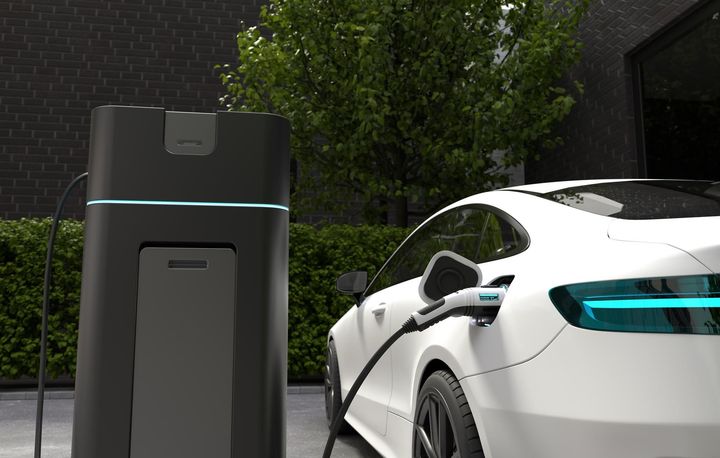
Learn About EV Vehicles: Discover Electric Transportation Details, Charging Network Tips, Vehicle Performance Insights, and Electric Mobility Facts and Advice
Electric vehicles, commonly known as electric vehicles (EVs), are transportation systems powered partially or entirely by electricity rather than traditional gasoline or diesel fuel. Advances in battery technology, digital connectivity, and energy management have helped make EVs an important part of modern transportation.
Understanding EV Vehicles and Why They Exist
The concept of electric transportation dates back more than a century, but improvements in battery performance and charging infrastructure have accelerated adoption in recent years. Governments, manufacturers, and infrastructure providers have focused on developing electric mobility solutions that support cleaner transportation systems and reduced dependence on fossil fuels.
Today, EVs include passenger cars, buses, trucks, delivery vehicles, two-wheelers, and specialized commercial fleets. The growth of ev charging stations and the expansion of the electric vehicle charging network have helped increase accessibility for drivers in urban and rural areas.
Why EV Vehicles Matter Today
Electric transportation plays an increasingly significant role in modern mobility planning. Population growth, urbanization, and environmental concerns have encouraged investment in cleaner transportation technologies.
EVs affect multiple groups, including:
- Individual vehicle owners
- Fleet operators
- Public transportation agencies
- Businesses managing vehicle fleets
- Energy providers
- Urban planners
Some of the challenges EV technology aims to address include:
| Transportation Challenge | EV Contribution |
|---|---|
| Dependence on fossil fuels | Uses electricity as a primary energy source |
| Urban air pollution | Produces no tailpipe emissions |
| Noise pollution | Operates more quietly than many conventional vehicles |
| Energy diversification | Supports multiple energy sources |
| Fleet efficiency management | Enables digital monitoring and optimization |
The expansion of commercial ev charging solutions and advanced charging infrastructure has also helped organizations improve fleet operations and vehicle utilization.
Different Types of EV Vehicles
Several categories of electric vehicles exist, each designed for different transportation needs.
Battery Electric Vehicles (BEVs)
Battery Electric Vehicles operate entirely on electricity stored in rechargeable battery packs. They do not use internal combustion engines.
Examples include many modern passenger EVs and electric delivery vehicles.
Plug-in Hybrid Electric Vehicles (PHEVs)
PHEVs combine an electric motor with a conventional engine. Drivers can recharge the battery externally and use either power source depending on driving conditions.
Hybrid Electric Vehicles (HEVs)
HEVs use both an electric motor and a fuel-powered engine. However, they typically cannot be plugged into external charging systems.
Fuel Cell Electric Vehicles (FCEVs)
These vehicles generate electricity through hydrogen fuel cells. Hydrogen technology continues to develop in selected transportation markets.
Commercial EV Fleets
Commercial fleets include:
- Delivery vans
- Logistics trucks
- Municipal vehicles
- Corporate transportation fleets
- Public transit buses
These fleets often rely on ev fleet management platforms to monitor charging schedules, vehicle performance, and route efficiency.
Benefits and Applications of EV Vehicles
Electric transportation offers a variety of practical applications across industries and communities.
Transportation Benefits
- Reduced tailpipe emissions
- Lower vehicle noise levels
- Improved energy efficiency
- Enhanced digital connectivity
- Regenerative braking technology
Fleet Applications
Organizations increasingly use ev fleet management tools to:
- Track vehicle performance
- Monitor battery status
- Schedule charging sessions
- Optimize routes
- Analyze operational data
Residential Applications
Many homeowners utilize ev home charger installation systems that allow vehicle charging at private residences.
Public Transportation
Electric buses and public transit vehicles are becoming more common in major cities worldwide.
Smart Charging Applications
Smart ev charging systems can:
- Manage charging schedules
- Balance energy demand
- Integrate renewable energy sources
- Monitor charging activity remotely
Top 5 Leading Provider Companies
Several organizations play major roles in electric transportation and charging infrastructure development.
| Company | Focus Area |
|---|---|
| Tesla | Electric vehicles and charging infrastructure |
| BYD | EV manufacturing and batteries |
| ChargePoint | Charging network solutions |
| ABB | Commercial charging systems |
| Siemens | Smart charging and infrastructure |
These companies contribute to vehicle manufacturing, charging infrastructure, battery development, and digital mobility technologies.
Recent Updates and Industry Trends
The EV industry continued to evolve throughout 2025 and early 2026.
Expansion of Charging Networks
Many regions expanded their electric vehicle charging network infrastructure, including high-speed charging corridors designed to improve long-distance travel accessibility.
Battery Technology Improvements
Manufacturers continued research into:
- Higher energy-density batteries
- Faster charging technologies
- Improved battery lifespan
- Enhanced thermal management systems
Growth of Fleet Electrification
Commercial organizations increased adoption of electric delivery vehicles and buses, supporting broader transportation electrification initiatives.
Smart Charging Development
The use of smart ev charging systems increased as utility providers and infrastructure operators explored methods to optimize electricity demand and charging efficiency.
Software Integration
Vehicle manufacturers expanded over-the-air software updates, predictive maintenance systems, and connected vehicle services.
Laws and Policies Affecting EV Vehicles
Government regulations significantly influence electric mobility development.
India
India supports EV adoption through programs such as:
- Faster Adoption and Manufacturing of Electric Vehicles (FAME)
- State-level EV policies
- Charging infrastructure initiatives
- Battery manufacturing incentives
These programs encourage development of EV ecosystems and charging networks.
European Union
The European Union has implemented emissions standards and infrastructure development policies that support electric transportation expansion.
United States
Federal and state programs continue supporting charging infrastructure deployment and transportation electrification initiatives.
Common Regulatory Areas
| Policy Area | Purpose |
|---|---|
| Vehicle safety standards | Ensure operational safety |
| Charging standards | Improve compatibility |
| Battery regulations | Support recycling and sustainability |
| Infrastructure programs | Expand charging access |
| Energy management policies | Coordinate electricity demand |
Policies continue evolving as governments balance transportation needs, energy systems, and environmental objectives.
Helpful Tools and Resources
Individuals and organizations can access various resources related to EV ownership and management.
Navigation and Charging Apps
- Charging station locator applications
- Route planning platforms
- Navigation systems with charging integration
Fleet Management Platforms
Tools supporting:
- Vehicle tracking
- Charging optimization
- Maintenance scheduling
- Performance analytics
Financial Planning Resources
For those evaluating vehicle ownership, electric car financing calculators and transportation budgeting tools can help estimate long-term planning scenarios.
Home Charging Resources
Resources related to ev home charger installation often include:
- Electrical capacity assessments
- Charging compatibility guides
- Installation planning information
Industry Information Sources
Useful resources include:
- Transportation agency websites
- Energy department publications
- Vehicle manufacturer documentation
- Charging network maps
- Research organization reports
EV Charging Infrastructure Overview
The charging ecosystem is an important component of electric transportation.
| Charging Type | Typical Use |
|---|---|
| Level 1 Charging | Basic residential charging |
| Level 2 Charging | Home and workplace charging |
| DC Fast Charging | Highway and public charging corridors |
| Ultra-Fast Charging | Rapid charging for long-distance travel |
EV Charging Network Growth Trend
Charging Infrastructure Expansion

2022  ███████
2023  ██████████
2024  █████████████
2025  ████████████████
2026  ██████████████████
This illustration reflects the broader trend of increasing charging infrastructure development in many global markets.
Frequently Asked Questions
What are electric vehicles?
Electric vehicles are transportation systems powered by electricity stored in batteries or generated through alternative electric propulsion technologies.
How do EV charging stations work?
EV charging stations transfer electricity from the power grid to a vehicle battery through compatible charging equipment and connectors.
What is an electric vehicle charging network?
An electric vehicle charging network is a connected system of public and private charging stations that allows drivers to locate, access, and manage charging sessions.
Are electric vehicles only used by individual drivers?
No. Electric vehicles are widely used in commercial fleets, public transportation systems, municipal services, and logistics operations.
What is EV fleet management?
EV fleet management refers to digital systems used to monitor, maintain, charge, and optimize electric vehicle fleets through software and data analytics.
Conclusion
Electric vehicles have become an important part of modern transportation systems. Advances in battery technology, charging infrastructure, and digital connectivity continue to support broader adoption across residential, commercial, and public transportation sectors. The expansion of ev charging stations, development of commercial ev charging solutions, and growing use of smart ev charging systems demonstrate how electric mobility is evolving beyond individual vehicle ownership. As governments, businesses, and communities invest in electric mobility solutions, EV technology is expected to remain a significant component of future transportation planning.
Informational Disclaimer:The information provided in this article is for informational purposes only. References to charging infrastructure, vehicle specifications, financing considerations, incentives, or transportation programs are for general educational purposes only.