IoT Device Architecture Overview: Key Components and Insights
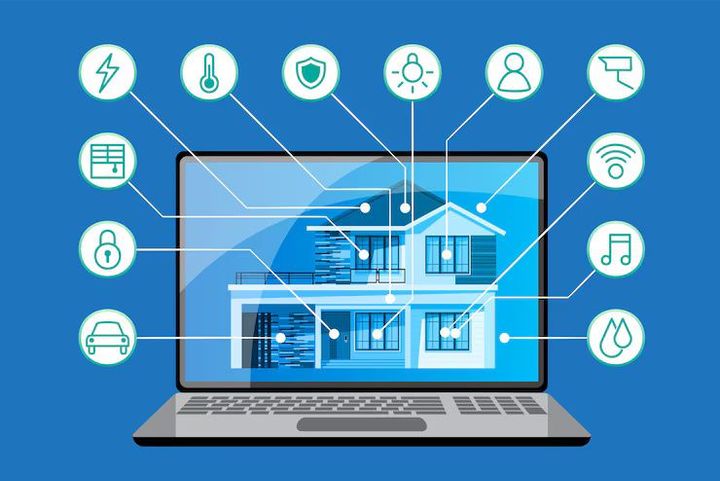
IoT device architecture refers to the structure and communication system that connects physical devices, software, networks, and cloud systems. It allows devices to collect, process, and exchange data in real time. IoT architecture is widely used in homes, healthcare, transportation, agriculture, and Industrial IoT environments.
The growth of connected devices has increased the importance of organized and secure architecture models. Modern systems combine sensors, Edge Computing, gateways, communication protocols, and Cloud IoT Platforms to manage large amounts of data efficiently.
A standard IoT architecture often includes multiple layers:
- Device layer for sensors and hardware
- Network layer for communication
- Data processing layer for analytics
- Application layer for user interaction
Key Components of IoT Device Architecture
Different components work together to support reliable communication and automation.
| Component | Purpose |
|---|---|
| Sensors and Devices | Collect environmental or operational data |
| Gateway | Transfers data between devices and cloud systems |
| Edge Computing Systems | Process data closer to devices |
| Cloud IoT Platforms | Store, analyze, and manage device data |
| IoT Device Management Platform | Monitor and update connected devices |
| Security Layer | Protect systems from cyber threats |
Communication Technologies
IoT systems use several communication technologies depending on range, speed, and energy requirements.
- Wi-Fi for high-speed local communication
- Bluetooth for short-range connections
- Zigbee for smart home systems
- Cellular networks for remote monitoring
- LPWAN for low-power Industrial IoT systems
Reliable communication helps maintain stable device performance and accurate data transfer.
Importance
IoT architecture is important because it creates a structured system for device communication, automation, and data analysis. Without a proper architecture model, connected devices may experience delays, security risks, and management problems.
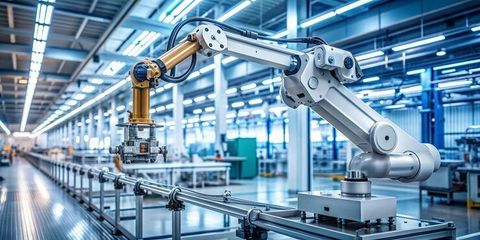
Industrial IoT systems use architecture frameworks to monitor factories, supply chains, and machinery. Businesses use Enterprise Device Management tools to track connected assets, improve efficiency, and reduce downtime.
Healthcare organizations also rely on connected monitoring systems for patient tracking and medical equipment management. Smart city projects use IoT systems for traffic management, energy monitoring, and public safety applications.
IoT Security has become a major concern because billions of devices are connected to networks worldwide. Weak security settings can expose systems to malware, unauthorized access, and data breaches.
Important benefits of organized IoT architecture include:
- Faster data processing
- Improved automation
- Better scalability
- Centralized device monitoring
- Reduced operational errors
- Stronger IoT Cybersecurity protection
Recent Updates
Between 2024 and 2026, IoT technologies continued to evolve with a stronger focus on automation, artificial intelligence, and secure infrastructure.
One major trend is the wider use of Edge Computing. Instead of sending all data to cloud servers, devices can process information locally. This reduces network delays and supports faster decision-making in Industrial IoT environments.
Another development involves AI-powered monitoring systems. Modern IoT Device Management Platform solutions now include predictive maintenance features that identify device failures before they occur.
Cloud IoT Platforms have also expanded their analytics capabilities. Businesses increasingly use real-time dashboards and automated alerts for monitoring connected systems.
Security and Privacy Trends
IoT Cybersecurity remains a key topic from 2024–2026. Governments and technology organizations are introducing stricter security requirements for connected devices.
Current security trends include:
- Multi-factor authentication for device access
- Encrypted communication protocols
- Secure firmware updates
- Zero-trust network architecture
- AI-based threat detection systems
Manufacturers are also focusing on secure device onboarding to reduce unauthorized network access.
Growth of Enterprise Device Management
As organizations deploy larger IoT networks, Enterprise Device Management tools are becoming more advanced. These systems help administrators:
- Monitor device health
- Track firmware versions
- Configure network settings
- Detect abnormal device activity
- Manage remote updates
This trend is especially important for manufacturing, logistics, transportation, and energy sectors.
Laws or Policies
Many countries have introduced policies related to IoT Security and data protection. These regulations focus on privacy, cybersecurity, and device safety.
In the European Union, the General Data Protection Regulation (GDPR) affects how IoT systems collect and process personal data. Organizations handling user information must follow strict privacy requirements.
The United States has introduced cybersecurity guidance for connected devices through government agencies and infrastructure programs. Security standards focus on authentication, software updates, and risk management practices.
Several countries in Asia-Pacific regions are also introducing IoT Cybersecurity frameworks to improve network safety and reduce digital threats.
Common policy areas include:
| Policy Area | Purpose |
| Data Privacy Rules | Protect user information |
| Cybersecurity Standards | Improve device security |
| Encryption Requirements | Secure communication channels |
| Device Certification | Verify product compliance |
| Firmware Update Policies | Maintain system protection |
Organizations using Industrial IoT systems often follow additional industry-specific standards for operational safety and network reliability.
Tools and Resources
Several digital tools help organizations manage IoT systems more effectively. These resources support monitoring, security analysis, and infrastructure planning.
Useful categories of tools include:
- IoT Device Management Platform software
- Cloud IoT Platforms for analytics
- Network monitoring dashboards
- Cybersecurity assessment tools
- Device simulation environments
Organizations also use architecture templates to design scalable systems before deployment.
Below are examples of common resource categories:
| Tool Type | Main Function |
| Device Monitoring Tools | Track system performance |
| Cloud Analytics Platforms | Analyze connected device data |
| Security Assessment Tools | Identify vulnerabilities |
| Firmware Management Systems | Handle software updates |
| Edge Computing Platforms | Process local device data |
Educational documentation and technical standards are also useful for understanding communication protocols, device authentication, and IoT Security strategies.
FAQs
What is IoT device architecture?
IoT device architecture is the framework that connects hardware devices, networks, cloud systems, and applications for data communication and automation.
Why is Edge Computing important in IoT?
Edge Computing reduces delays by processing data closer to the device instead of relying entirely on cloud servers.
What is an IoT Device Management Platform?
An IoT Device Management Platform helps organizations monitor, configure, and update connected devices from a centralized system.
Why is IoT Cybersecurity important?
IoT Cybersecurity protects connected systems from unauthorized access, malware, and data breaches that may disrupt operations.
How do Cloud IoT Platforms help businesses?
Cloud IoT Platforms support data storage, analytics, monitoring, and automation for large connected device networks.
Conclusion
IoT device architecture plays a critical role in supporting communication between connected devices, cloud systems, and applications. Modern architectures combine Edge Computing, Cloud IoT Platforms, and Enterprise Device Management systems to improve efficiency and scalability.
As Industrial IoT adoption continues to expand, organizations are placing greater focus on IoT Security and secure data processing. Recent developments from 2024–2026 show increasing use of AI-driven monitoring, local data processing, and stronger cybersecurity frameworks.
Understanding the structure and components of IoT systems helps businesses, governments, and individuals manage connected technologies more effectively in a rapidly growing digital environment.