Table of Contents

Injection Molding Technology Explained: Machine Types, Pricing Factors, and Manufacturing Opportunities

Injection Molding Technology Explained: Machine Types, Pricing Factors, and Manufacturing Opportunities

Injection molding is one of the most widely used manufacturing processes for producing plastic components in high volumes with consistent quality and precision. From consumer products and automotive parts to medical devices and industrial components, injection molding plays a vital role in modern manufacturing.


Advancements in automation, digital controls, artificial intelligence, and smart factory technologies continue transforming injection molding operations worldwide. As industries seek greater efficiency and scalability, injection molding remains a cornerstone of mass-production manufacturing.

This article explores injection molding technology, machine types, pricing considerations, manufacturing applications, and industry developments from an educational perspective. It does not provide purchasing, engineering, financial, investment, or operational advice.

What Is Injection Molding?

Injection molding is a manufacturing process in which molten material is injected into a mold cavity to create a specific shape. Once cooled and solidified, the finished component is removed from the mold.

The process is commonly used for producing:

  • Consumer goods
  • Automotive components
  • Electronic housings
  • Medical products
  • Packaging items
  • Industrial parts

Its ability to produce large quantities of identical components makes it a popular manufacturing solution.

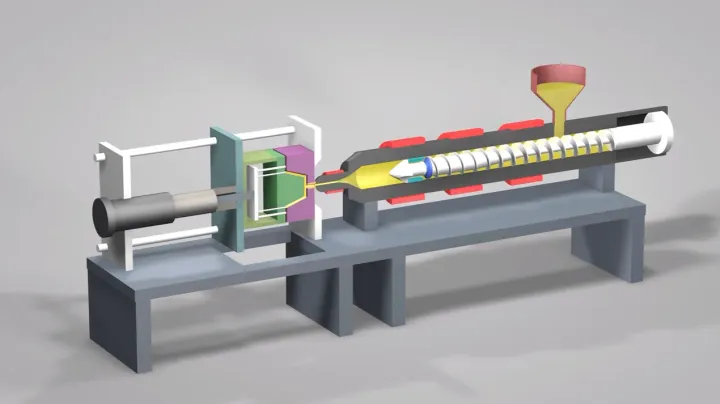
How the Injection Molding Process Works

The basic process generally involves several stages:

Material Preparation

Raw material is fed into the machine through a hopper system.

Melting

The material is heated until it reaches a molten state suitable for molding.

Injection

The molten material is injected into a precisely designed mold cavity.

Cooling

The material cools and solidifies inside the mold.

Ejection

The finished component is removed, and the cycle begins again.

The exact process may vary depending on materials, machine configurations, and production requirements.

Common Materials Used

Injection molding can accommodate a wide range of materials.

Examples include:

  • Polypropylene (PP)
  • Polyethylene (PE)
  • ABS plastics
  • Polycarbonate (PC)
  • Nylon materials
  • Engineering polymers

Material selection depends on product design, performance requirements, and manufacturing objectives.

Types of Injection Molding Machines

Several machine categories are commonly used in industrial manufacturing.

Hydraulic Injection Molding Machines

Hydraulic systems have been widely used for decades.

Characteristics may include:

  • High clamping force
  • Robust operation
  • Industrial versatility
  • Established technology

Electric Injection Molding Machines

Electric machines utilize servo-driven systems.

Potential benefits may include:

  • Energy efficiency
  • Precision control
  • Reduced operational noise
  • Consistent repeatability

Hybrid Injection Molding Machines

Hybrid systems combine hydraulic and electric technologies.

These machines aim to balance:

  • Performance
  • Efficiency
  • Flexibility
  • Operational capabilities

Machine selection depends on production requirements and manufacturing objectives.

Understanding Machine Size and Capacity

Injection molding machines are available in various sizes.

Factors influencing machine selection may include:

  • Product dimensions
  • Material requirements
  • Production volume
  • Mold specifications
  • Clamping force needs

Larger machines are generally capable of handling larger molds and components.

Clamping Force Explained

Clamping force is an important machine specification.

Its purpose is to:

  • Keep the mold securely closed
  • Prevent material leakage
  • Support dimensional accuracy
  • Maintain process consistency

Required clamping force varies according to part design and production conditions.

Automation in Injection Molding

Automation has become increasingly important in manufacturing environments.

Examples include:

  • Robotic part removal
  • Automated material handling
  • Quality monitoring systems
  • Production tracking
  • Integrated workflow controls

Automation technologies can help improve consistency and efficiency.

Smart Manufacturing Integration

Modern molding facilities increasingly utilize digital manufacturing systems.

Technologies may include:

  • Industrial IoT sensors
  • Production analytics
  • Machine monitoring
  • Real-time performance tracking
  • Digital process management

Connected systems support data-driven decision-making and operational visibility.

Factors Influencing Machine Pricing

Injection molding machine costs can vary significantly depending on numerous factors.

Common influences include:

Machine Size

Larger machines generally require more complex components and greater manufacturing resources.

Technology Level

Advanced automation, digital controls, and smart manufacturing capabilities may affect overall pricing.

Production Capacity

Higher-capacity equipment often incorporates additional engineering and performance features.

Precision Requirements

Specialized applications may require enhanced control systems and manufacturing accuracy.

Brand and Manufacturing Standards

Pricing may vary based on engineering approaches, product specifications, support services, and manufacturing standards.

Because specifications differ widely, machine pricing can vary substantially across market segments.

Mold Design Considerations

The mold is often one of the most important elements of the injection molding process.

Design considerations may include:

  • Product geometry
  • Material flow characteristics
  • Cooling requirements
  • Production volume
  • Surface finish objectives

Mold complexity can significantly influence manufacturing outcomes.

Quality Control Technologies

Quality assurance remains essential in injection molding operations.

Common approaches may include:

  • Dimensional inspection
  • Process monitoring
  • Automated measurement systems
  • Statistical quality analysis
  • Sensor-based monitoring

Technology continues enhancing visibility into production performance.

Energy Efficiency in Modern Facilities

Manufacturers increasingly focus on operational efficiency.

Examples include:

  • Energy-efficient machinery
  • Optimized heating systems
  • Intelligent power management
  • Resource utilization improvements

Sustainability initiatives continue influencing equipment development.

Artificial Intelligence in Injection Molding

Artificial intelligence is becoming more relevant within manufacturing environments.

Potential applications may include:

  • Process optimization
  • Predictive maintenance
  • Quality prediction
  • Production analytics
  • Equipment performance monitoring

AI technologies support increasingly data-driven manufacturing strategies.

Industries That Use Injection Molding

Injection molding supports numerous industries worldwide.

Examples include:

Automotive Manufacturing

Applications may include interior components, housings, and functional parts.

Consumer Products

Many everyday plastic products are manufactured through injection molding processes.

Medical Manufacturing

Certain medical components may be produced using specialized molding systems.

Electronics

Injection molding is widely used for enclosures, connectors, and electronic product components.

Industrial Equipment

Various industrial products incorporate injection-molded components.

Manufacturing Opportunities and Industry Growth

The injection molding sector continues evolving alongside broader manufacturing trends.

Areas of opportunity may include:

  • Advanced automation
  • Sustainable materials
  • Smart factory integration
  • Precision manufacturing
  • Digital production systems

Demand for efficient and scalable production methods continues driving technological development.

Industry Trends in 2026

Several developments continue shaping injection molding technology.

Current trends include:

  • AI-assisted process optimization
  • Predictive maintenance systems
  • Smart factory connectivity
  • Advanced robotics integration
  • Sustainable manufacturing initiatives
  • Digital quality monitoring
  • Energy-efficient machine designs
  • Data-driven production management

These trends reflect broader transformations occurring across global manufacturing industries.

Frequently Asked Questions

What is injection molding?

Injection molding is a manufacturing process that produces parts by injecting molten material into molds.

What materials are commonly used?

Common materials include polypropylene, polyethylene, ABS, polycarbonate, nylon, and other engineering plastics.

What are the main machine types?

The primary categories include hydraulic, electric, and hybrid injection molding machines.

Why does machine pricing vary?

Pricing can be influenced by machine size, technology, automation features, production capacity, and engineering specifications.

How is AI used in injection molding?

AI may assist with predictive maintenance, process optimization, quality monitoring, and production analytics.

Conclusion

Injection molding remains one of the most important manufacturing technologies in modern industry. Through advances in automation, artificial intelligence, digital monitoring, and smart factory integration, today's injection molding systems are becoming increasingly efficient, connected, and capable of supporting diverse production requirements.

As manufacturing continues embracing Industry 4.0 technologies, injection molding is expected to play a significant role in the future of scalable, precise, and intelligent production systems.

Disclaimer

This article is intended solely for informational and educational purposes. It does not provide engineering, manufacturing, operational, purchasing, investment, legal, financial, safety, or professional consulting advice. It does not endorse, recommend, compare, rank, review, market, or promote any injection molding machine manufacturer, supplier, service provider, material supplier, or technology platform. Equipment specifications, pricing, performance, and operational requirements vary significantly across applications and industries. Readers should consult qualified professionals before making technical or business decisions.


author-image

Ravi Shankar Maurya

We create purposeful content that speaks, resonates, and drives action.

June 20, 2026 . 9 min read