The concept exists because most mechanical systems involve moving or stationary parts that must remain sealed under varying conditions such as pressure, temperature, and chemical exposure. Without reliable sealing solutions, systems can lose efficiency, experience contamination, or face operational failure.
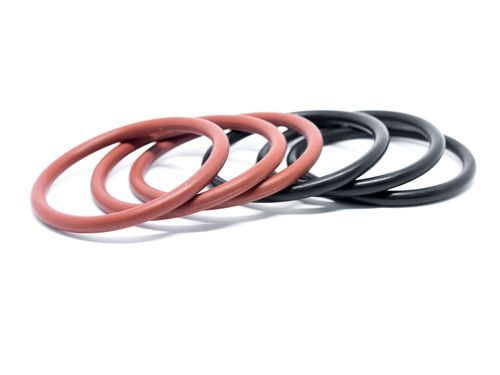
Sealing rings are available in different forms, including O-rings, gasket rings, and mechanical seal rings. Each type is tailored for specific industrial environments, making them essential in sectors such as manufacturing, energy, automotive systems, and process engineering.
Why Industrial Sealing Rings Matter
Industrial sealing technology plays a critical role in maintaining system integrity and operational safety. These components directly impact performance, reliability, and environmental compliance.
Key reasons why sealing rings are important include:
-
Preventing leakage of hazardous or valuable fluids
-
Maintaining pressure in hydraulic and pneumatic systems
-
Protecting machinery from contamination and wear
-
Enhancing energy efficiency by reducing loss
-
Supporting long-term durability of equipment
Modern industries rely on high-performance sealing materials such as elastomers, PTFE (polytetrafluoroethylene), and metal alloys. These materials are chosen based on compatibility with extreme temperatures, corrosive substances, and high-pressure environments.
In advanced mechanical seal systems, sealing rings contribute to reduced maintenance cycles and improved operational uptime. This makes them especially relevant in industries focusing on automation and continuous processing.
Recent Developments and Trends
Over the past year, industrial sealing solutions have seen notable improvements driven by advancements in materials science and engineering design.
Recent trends include:
-
Increased use of advanced polymer sealing materials for chemical resistance
-
Growth in smart sealing technology with embedded sensors for monitoring performance
-
Adoption of low-friction coatings to enhance efficiency in rotating equipment
-
Improved sealing ring design using simulation and digital modeling tools
In 2025, several manufacturers introduced eco-conscious sealing materials aimed at reducing environmental impact. These materials are designed to last longer and minimize waste during replacement cycles.
Another emerging trend is predictive maintenance integration. Sensors embedded within mechanical seal rings can detect wear patterns and signal maintenance needs before failure occurs. This approach aligns with Industry 4.0 practices, where data-driven insights improve operational efficiency.Regulations and Compliance Considerations
Industrial sealing rings are subject to various technical standards and compliance frameworks depending on their application. These regulations ensure safety, reliability, and environmental protection.
Common regulatory aspects include:
-
Material compatibility standards for chemical exposure
-
Pressure and temperature resistance requirements
-
Environmental safety guidelines for emissions and leakage control
-
Equipment certification standards for industrial machinery
Standards organizations such as ISO (International Organization for Standardization) and ASTM (American Society for Testing and Materials) define specifications for sealing materials and performance testing.
For example, ISO standards related to sealing systems outline requirements for dimensions, tolerances, and testing procedures. Compliance with such standards helps ensure consistency and interoperability across global industries.
In sectors like oil and gas or pharmaceuticals, strict compliance is necessary to prevent contamination and maintain operational safety.
Tools and Resources for Better Understanding
Professionals and learners can access a variety of tools and resources to understand and apply sealing ring technology effectively.
Helpful tools include:
-
Engineering calculators for pressure and temperature limits
-
Material compatibility charts for selecting sealing materials
-
CAD software for designing sealing systems
-
Simulation tools for testing seal performance under stress
Useful resource categories:
-
Technical documentation and whitepapers on sealing technology
-
Industry standards databases for compliance guidelines
-
Educational platforms offering mechanical engineering insights
-
Maintenance tracking tools for monitoring seal performance
Below is a simplified table comparing common sealing ring materials:
| Material Type | Key Properties | Typical Applications |
|---|
| Elastomers (NBR, EPDM) | Flexible, cost-effective | Hydraulic systems, automotive |
| PTFE | High chemical resistance | Chemical processing equipment |
| Metal Rings | High strength, temperature resistance | Aerospace, heavy machinery |
| Silicone | Heat resistant, flexible | Food processing, medical systems |
Key Selection Factors
Choosing the right industrial sealing ring involves evaluating several factors:
-
Operating temperature range
-
Pressure conditions
-
Chemical exposure
-
Type of motion (static or dynamic)
-
Surface finish and tolerance
A mismatch in any of these factors can lead to premature failure or inefficiency.Frequently Asked Questions
What is the difference between an O-ring and a gasket ring?
An O-ring is a circular elastomer ring used mainly for dynamic and static sealing, while a gasket ring is typically flat and used between two stationary surfaces to prevent leakage.
How do sealing rings handle extreme temperatures?
Sealing rings are made from specialized materials such as PTFE or metal alloys that can withstand high or low temperatures without losing integrity.
Why do sealing rings fail?
Common reasons include improper material selection, excessive pressure, poor installation, and exposure to incompatible chemicals.
Can sealing rings be reused?
In most cases, sealing rings are not reused because deformation or wear can reduce their effectiveness. However, some metal seals may be reused under controlled conditions.
What industries rely heavily on sealing rings?
Industries such as manufacturing, energy, automotive engineering, chemical processing, and aerospace depend on sealing systems for safe and efficient operations.Practical Insights and Tips
Understanding industrial sealing solutions becomes easier with practical awareness:
-
Always match the sealing material with the operating environment
-
Ensure proper installation to avoid deformation or leakage
-
Monitor wear patterns regularly for early detection of issues
-
Use standardized components to maintain compatibility
-
Keep documentation of specifications and performance data
A simple comparison of sealing performance factors:
| Factor | Low-Quality Seal | High-Performance Seal |
|---|
| Durability | Short lifespan | Extended lifespan |
| Leakage Control | Moderate | High precision |
| Maintenance Needs | Frequent | Reduced |
| Efficiency | Lower | Optimized |
Conclusion
Industrial sealing rings are fundamental components in modern mechanical systems, ensuring safety, efficiency, and durability. From preventing leaks to maintaining pressure, their role extends across a wide range of industries and applications.
Advancements in materials, design, and monitoring technologies have significantly improved sealing performance in recent years. At the same time, compliance with global standards ensures reliability and consistency in demanding environments.
By understanding the basics, selecting the right materials, and using appropriate tools, individuals and professionals can effectively manage sealing systems and enhance overall system performance.