Industrial Generator Systems Overview: Discover Backup Power Basics, Advice, Insights, and Key Details
Industrial generator systems are large-scale machines designed to provide electricity during power outages or when grid power is unavailable. These systems are widely used across industries where uninterrupted power is essential, including manufacturing, healthcare, and digital infrastructure.
Understanding Industrial Generator Systems
In simple terms, an industrial generator converts mechanical energy into electrical energy using fuel sources such as diesel, natural gas, or hybrid systems. The increasing reliance on technology and continuous operations has made industrial generator systems a critical part of modern infrastructure.
Today, organizations rely on backup power generator for business continuity, especially in environments like data centers and hospitals where even short disruptions can cause serious operational challenges.
Importance – Why Industrial Generator Systems Matter
Reliable electricity is essential for economic activity, safety, and operational stability. Industrial generator systems play a key role in ensuring that operations continue without interruption.
They are particularly important for:
- Businesses that require constant uptime
- Critical infrastructure such as healthcare facilities
- IT environments using power backup solutions for data centers
- Industrial plants with continuous production lines
Power outages can result in data loss, equipment damage, and operational downtime. In sectors like healthcare, backup systems such as backup generator systems for hospitals can directly impact patient care and safety.
The demand for high capacity power generators has increased due to:
- Rapid digital transformation
- Growing dependence on cloud computing
- Expansion of industrial automation
- Climate-related disruptions affecting power grids
Types – Different Types of Industrial Generator Systems
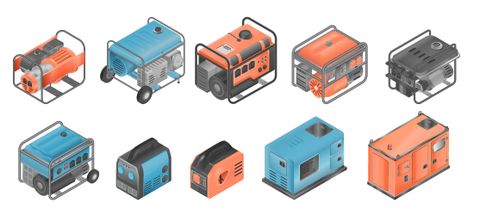
Industrial generators come in various types depending on fuel source, application, and operational design.
Diesel Generators
- Widely used due to durability and efficiency
- Suitable for heavy-duty operations
- Common in manufacturing and construction
Natural Gas Generators
- Cleaner compared to diesel
- Ideal for long-term continuous usage
- Often used in urban commercial settings
Hybrid Generators
- Combine renewable energy sources with traditional fuel
- Improve efficiency and reduce emissions
- Increasingly used in sustainable infrastructure projects
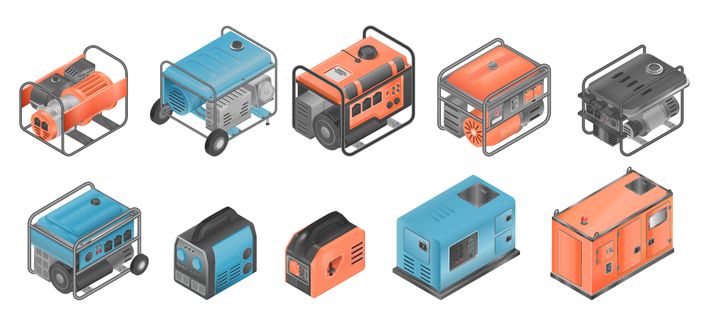
Portable Industrial Generators
- Used for temporary or mobile operations
- Common in events and construction sites
- Linked with industrial generator rental use cases
Standby Generators
- Automatically activate during power outages
- Essential for commercial standby generator setups
- Installed as part of standby generator installation systems
Benefits and Applications
Industrial generator systems provide multiple operational and strategic advantages across industries.
Key Benefits
- Ensures uninterrupted power supply
- Protects sensitive equipment from sudden shutdowns
- Supports business continuity planning
- Reduces downtime-related risks
- Enables remote and off-grid operations
Common Applications
| Industry | Application Example |
|---|---|
| Healthcare | Emergency power for ICU and surgical units |
| Data Centers | Continuous uptime with power backup solutions for data centers |
| Manufacturing | Running heavy machinery without interruptions |
| Construction | Power supply in remote locations |
| Commercial Buildings | Backup for elevators, lighting, and security systems |
Industrial systems are especially valuable where reliability is critical, such as backup generator systems for hospitals and large-scale IT environments.
Top 5 Leading Provider Company Names
Several global companies are recognized for their expertise in industrial generator systems and related technologies.
- Caterpillar Inc.
- Cummins Inc.
- Rolls-Royce Power Systems (MTU)
- Generac Holdings Inc.
- Mitsubishi Heavy Industries
These companies are known for developing advanced heavy duty power generators and supporting large-scale industrial and commercial applications worldwide.
Recent Updates – Trends and Developments
The industrial generator sector has seen several notable trends and updates in the past year.
- 2025: Increased adoption of hybrid generator systems integrating solar and battery storage
- 2025: Data centers expanded investment in power backup solutions for data centers due to AI-driven workloads
- Early 2026: Stricter emission standards introduced in multiple regions, encouraging cleaner fuel technologies
- Growing use of remote monitoring systems and IoT-enabled generators
- Rising demand for flexible solutions like industrial generator rental for short-term infrastructure projects
Another emerging trend is the integration of smart controls that allow real-time performance tracking and predictive maintenance.
Laws or Policies – Regulatory Environment
Industrial generator systems are influenced by various national and international regulations, particularly related to emissions, safety, and installation standards.
In India, relevant frameworks include:
- Central Pollution Control Board (CPCB) emission norms for diesel generators
- Environmental Protection Act guidelines for noise and air quality
- State-level regulations for generator installation in commercial and residential areas
Globally, regulations focus on:
- Reducing carbon emissions
- Promoting cleaner fuel alternatives
- Ensuring safe standby generator installation practices
Compliance with these regulations is essential for operating industrial generator systems responsibly and sustainably.
Tools and Resources
Several tools and resources help organizations plan, manage, and optimize generator usage.
Useful Tools and Platforms
- Load calculation tools for determining generator capacity
- Fuel efficiency calculators for operational planning
- Remote monitoring software for performance tracking
- Maintenance scheduling platforms
- Energy management systems
Helpful Resources
- Industry whitepapers on high capacity power generators
- Government guidelines on emissions and compliance
- Technical manuals from industrial genset suppliers
- Online training modules for generator operation and safety
These tools support informed decision-making and efficient system management.
FAQs – Common Questions About Industrial Generator Systems
What is the purpose of an industrial generator system?
Industrial generator systems provide backup or primary power to ensure continuous operations during outages or in off-grid environments.
How are industrial generators different from residential generators?
Industrial generators are larger, more powerful, and designed for continuous or heavy-duty use, unlike residential systems which are typically smaller and used occasionally.
Where are commercial standby generators commonly used?
They are widely used in offices, hospitals, data centers, and commercial buildings to maintain operations during power disruptions.
What factors influence generator selection?
Key factors include power requirements, fuel type, runtime needs, and application environment.
Are there environmental considerations for generator use?
Yes, emissions, noise levels, and fuel efficiency are important considerations, especially under regulatory frameworks.
Conclusion
Industrial generator systems are a vital component of modern infrastructure, supporting uninterrupted operations across critical sectors. From healthcare to data centers, these systems ensure stability, reliability, and safety in environments where power continuity is essential.
With advancements in technology and increasing regulatory focus on sustainability, the industry is evolving toward cleaner, smarter, and more efficient solutions. Understanding the basics, types, and applications of industrial generator systems helps organizations make informed decisions and prepare for future energy challenges.
Disclaimer
This content is for informational purposes only. Any references to systems, configurations, or technologies are general in nature. Specifications, performance, and related considerations may vary depending on operational requirements and regulatory conditions.