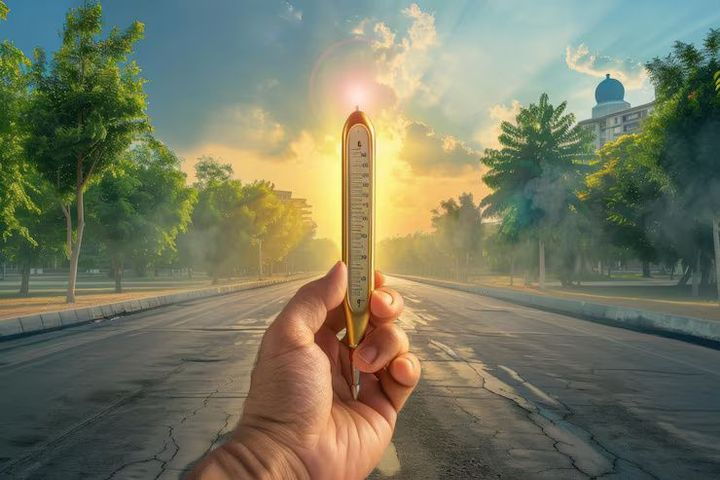
How Heat Safety Helps Protect You During High Temperature Conditions
High temperatures can affect health, productivity, and daily activities, particularly during heat waves or in environments where people spend extended periods outdoors.
Heat Safety involves practical measures that help reduce the risk of heat-related illnesses by promoting hydration, appropriate clothing, environmental awareness, and safe work or recreational practices. Whether at home, at work, or while traveling, understanding heat safety can help individuals prepare for periods of extreme heat.

Climate changes and rising global temperatures have increased awareness of heat-related health risks. Governments, employers, schools, and healthcare organizations now emphasize heat safety education, early warning systems, and preventive measures to help communities respond more effectively to hot weather conditions.
This guide explains heat safety, common heat-related illnesses, preventive strategies, and current developments in heat protection.
Medical Disclaimer: This article is intended for general educational purposes only and should not replace professional medical advice. Anyone experiencing severe symptoms related to heat exposure should seek immediate medical attention or contact local emergency services.
What Is Heat Safety?
Heat Safety refers to the practices and precautions that help protect people from the health risks associated with high temperatures. These measures aim to reduce excessive body heat, prevent dehydration, and lower the likelihood of heat-related illnesses.
Heat safety is important for:
Outdoor workers
Athletes
Children
Older adults
People with chronic medical conditions
Travelers
Construction workers
Individuals participating in outdoor events
Everyone can benefit from taking preventive steps during hot weather.
Why Heat Safety Matters
Excessive heat can place stress on the body's cooling system.
Following heat safety practices may help:
Reduce the risk of heat exhaustion
Lower the chance of heat stroke
Support proper hydration
Maintain physical performance
Improve comfort during hot weather
Protect vulnerable populations
Reduce heat-related workplace incidents
Encourage safer outdoor activities
Awareness and preparation are key during periods of extreme heat.
Common Heat-Related Illnesses
Recognizing early symptoms allows for timely action.
Heat Cramps
Painful muscle cramps that may occur during physical activity in hot conditions due to fluid and electrolyte loss.
Heat Exhaustion
A condition caused by excessive heat exposure, often accompanied by heavy sweating, weakness, dizziness, nausea, headache, and rapid pulse.
Heat Stroke
A medical emergency in which the body's temperature regulation fails, leading to dangerously high body temperature. Symptoms may include confusion, altered mental status, loss of consciousness, or seizures. Immediate emergency medical care is required.
Heat Safety Tips
Simple preventive measures can significantly reduce heat-related risks.
Stay Hydrated
Drink water regularly, even if you do not feel thirsty. Hydration needs vary based on activity level, climate, and individual health.
Wear Appropriate Clothing
Choose lightweight, loose-fitting, and breathable clothing. A wide-brimmed hat and sunglasses can also help reduce sun exposure.
Limit Outdoor Activities During Peak Heat
When possible, schedule strenuous activities during the cooler morning or evening hours.
Seek Shade or Air-Conditioned Spaces
Take regular breaks in shaded or cooled environments, especially during prolonged outdoor activities.
Use Sunscreen
Apply broad-spectrum sunscreen to help protect exposed skin from ultraviolet (UV) radiation.
Know the Warning Signs
Be alert for symptoms such as dizziness, excessive sweating, weakness, confusion, or nausea, and seek medical attention if symptoms worsen.
Who Is Most at Risk?
Some groups are more vulnerable to heat-related illness.
Higher-risk individuals include:
Older adults
Infants and young children
Pregnant individuals
People with heart or lung conditions
Individuals taking certain medications
Outdoor workers
Athletes
People without access to adequate cooling
Extra precautions may be needed for these groups during extreme heat.
Heat Safety Overview
| Safety Practice | Purpose |
|---|---|
| Hydration | Replace fluids lost through sweating |
| Protective Clothing | Reduce heat absorption |
| Shade and Cooling | Lower body temperature |
| Rest Breaks | Prevent overheating during activity |
| Weather Monitoring | Stay informed about heat alerts |
| Symptom Awareness | Recognize early signs of heat illness |
Heat Safety at Work
Employers and workers can reduce heat-related risks by following workplace safety practices.
Recommendations include:
Provide access to drinking water.
Schedule regular rest breaks.
Encourage acclimatization for new workers.
Monitor weather forecasts and heat indexes.
Use shaded or cooled rest areas.
Train employees to recognize heat illness symptoms.
Adjust workloads during extreme heat.
Develop emergency response procedures.
Following occupational safety guidance helps promote safer working conditions.
Current Developments in Heat Protection
Technology is supporting better heat safety practices.
Recent developments include:
Wearable temperature monitoring devices
Heat alert mobile applications
Smart hydration reminders
Weather forecasting improvements
AI-assisted heat risk prediction
Cooling fabrics and protective clothing
Workplace environmental monitoring systems
Community heat response programs
These innovations help individuals and organizations prepare for periods of high temperatures.
Looking Ahead
The future of Heat Safety is expected to include more advanced wearable technologies, improved public heat warning systems, smarter environmental monitoring, and greater integration of artificial intelligence to predict heat-related risks. As global temperatures continue to rise in many regions, heat safety education and preparedness are likely to become increasingly important.
Why Understanding Heat Safety Matters
Understanding Heat Safety helps individuals recognize heat-related risks, adopt preventive measures, and respond appropriately during periods of extreme temperatures. Whether at work, at home, or while traveling, following heat safety practices supports personal health and community well-being.
Conclusion
Heat Safety is an essential part of staying healthy during high-temperature conditions. By maintaining hydration, wearing appropriate clothing, limiting exposure during peak heat, recognizing the warning signs of heat-related illnesses, and following workplace or public health guidance, individuals can reduce the risks associated with extreme heat. As technology and public awareness continue to improve, heat safety will remain a key component of protecting health in a warming world.