Freight & Logistics Knowledge Hub: Learn Shipping Operations, Supply Chain Insights & Expert Information
Freight and logistics are important components of modern commerce and global trade. Freight generally refers to the transportation of goods, while logistics involves planning, coordinating, managing, and monitoring the movement of products from one location to another.
As economies have become increasingly interconnected, logistics networks have evolved into highly sophisticated systems involving transportation providers, warehouses, distribution centers, technology platforms, and supply chain management processes.
Today, freight and logistics support the movement of raw materials, consumer goods, industrial equipment, agricultural products, healthcare supplies, and many other categories of products. Effective logistics systems help organizations maintain operational continuity and improve supply chain visibility.
Understanding freight and logistics concepts can help individuals gain insight into how products move through local, national, and international transportation networks.
Why Freight and Logistics Matter Today
Modern economies depend on transportation and logistics infrastructure to support commerce, manufacturing, healthcare, agriculture, retail, and industrial activities.
Freight and logistics contribute to:
- Product distribution
- Supply chain coordination
- Transportation planning
- Inventory management
- Warehouse operations
- Global trade activities
- Infrastructure utilization
- Business continuity
These activities influence how goods move through supply chains and reach intended destinations.
Logistics Ecosystem Overview
| Area | Purpose |
|---|---|
| Transportation | Movement of goods |
| Warehousing | Storage and handling |
| Distribution | Product allocation |
| Inventory Management | Stock monitoring |
| Supply Chain Coordination | Operational planning |
These functions work together to support logistics operations.
Core Components of Logistics Operations
Logistics systems involve multiple interconnected activities.
| Component | Function |
|---|---|
| Transportation Networks | Move goods between locations |
| Warehouses | Store and organize inventory |
| Distribution Centers | Support product movement |
| Inventory Systems | Track product availability |
| Route Planning | Organize transportation paths |
| Information Systems | Support operational visibility |
| Supply Chain Management | Coordinate logistics activities |
Each component contributes to overall operational efficiency.
Common Modes of Freight Transportation
Goods may be transported through different transportation methods depending on requirements and infrastructure.
Road Transportation
Road networks support regional and local freight movement.
Rail Transportation
Rail systems are commonly used for large-volume cargo transportation.
Maritime Shipping
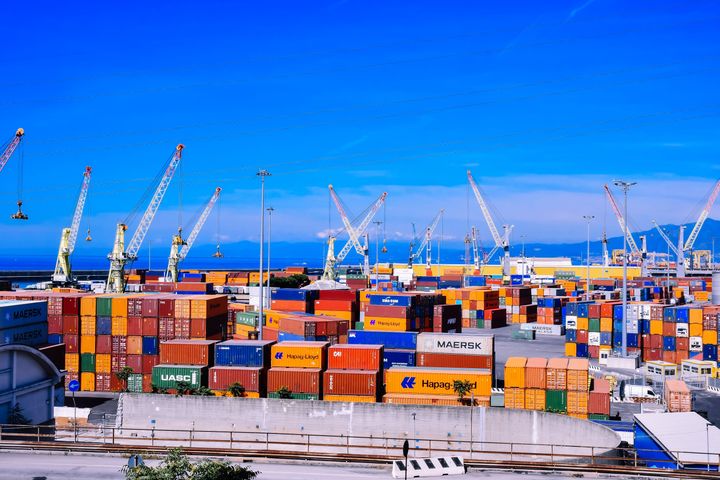
Sea transportation plays a major role in international trade and global supply chains.
Air Freight
Air transportation is often utilized when speed is an important consideration.
Intermodal Transportation
Some logistics operations combine multiple transportation methods within a single supply chain.
Transportation Comparison
| Mode | Typical Application |
|---|---|
| Road | Regional transportation |
| Rail | Bulk freight movement |
| Maritime | International shipping |
| Air | Time-sensitive transportation |
| Intermodal | Multi-network logistics |
Different transportation methods support different operational requirements.
Supply Chain Management Basics
Supply chain management involves coordinating activities that support the movement of goods from production through distribution.
Common supply chain activities include:
- Procurement planning
- Inventory management
- Transportation coordination
- Warehouse operations
- Demand forecasting
- Distribution management
- Operational monitoring
Supply chain visibility and coordination are frequently discussed within logistics education.
Technology in Modern Logistics
Technology plays an increasingly important role in freight and logistics operations.
Common technology applications include:
- Transportation management systems
- Warehouse management software
- Route optimization platforms
- Inventory tracking tools
- Shipment visibility systems
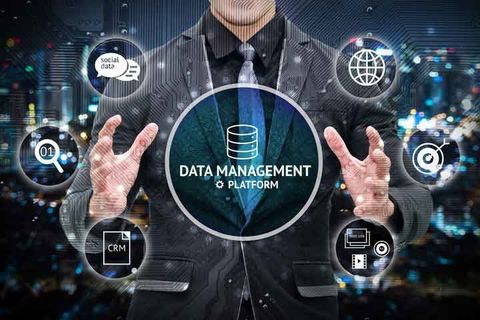
- Data analytics platforms
- Automation technologies
These technologies help support operational transparency and process management.
Recent Trends in Freight and Logistics
Several developments influenced logistics discussions during 2025 and 2026.
Digital Supply Chains
Organizations continue expanding digital technologies throughout logistics operations.
Real-Time Tracking Systems
Shipment visibility and tracking technologies remain important areas of development.
Automation and Robotics
Warehousing and distribution operations increasingly utilize automation solutions.
Sustainability Initiatives
Many organizations continue exploring transportation and logistics practices designed to reduce environmental impact.
Data-Driven Decision Making
Analytics platforms are increasingly supporting operational planning and monitoring.
Industry Trends Overview
| Trend | Focus Area |
|---|---|
| Digital Logistics | Operational visibility |
| Automation | Process efficiency |
| Real-Time Tracking | Shipment monitoring |
| Sustainability | Environmental awareness |
| Data Analytics | Decision support |
These trends continue shaping logistics operations globally.
Recent Updates in the Freight and Logistics Sector
During the past year, transportation and supply chain industries have continued adapting to changing market conditions and technological advancements.
Notable developments include:
- Increased adoption of digital logistics platforms.
- Expansion of warehouse automation technologies.
- Greater use of tracking and visibility solutions.
- Continued emphasis on supply chain resilience.
- Growth in data-driven logistics management practices.
These developments reflect broader trends in transportation and supply chain modernization.
Laws, Regulations, and Industry Frameworks
Freight and logistics activities are often governed by various regulations and industry standards.
Transportation Regulations
Different transportation modes operate under applicable safety and operational requirements.
Customs and Trade Procedures
International freight movements may involve customs documentation and trade regulations.
Workplace Safety Standards
Logistics facilities often follow occupational safety requirements.
Environmental Regulations
Transportation operations may be influenced by environmental policies and emissions standards.
Data Protection Considerations
Digital logistics systems frequently operate within applicable privacy and data security frameworks.
Requirements vary based on location, transportation mode, and operational scope.
Helpful Tools and Learning Resources
Several resources support education and learning within freight and logistics.
Educational Resources
- Supply chain management publications
- Logistics learning materials
- Transportation industry reports
- Trade and commerce resources
Technical Resources
- Route planning tools
- Inventory management templates
- Supply chain mapping resources
- Transportation reference guides
Research Resources
- Industry journals
- Academic publications
- Global trade reports
- Logistics research papers
Digital Learning Resources
- Online logistics courses
- Transportation webinars
- Supply chain education platforms
- Industry knowledge portals
These resources can help learners understand logistics concepts and industry developments.
Major Organizations Associated with Logistics and Transportation
Several organizations contribute to transportation, logistics, and supply chain development globally.
Examples include:
- DHL
- FedEx
- UPS
- Maersk
- DB Schenker
- C.H. Robinson
These references are included solely for educational and industry awareness purposes and do not represent endorsements or recommendations.
Frequently Asked Questions
What is freight transportation?
Freight transportation refers to the movement of goods, materials, or products from one location to another using various transportation methods.
What is logistics?
Logistics involves planning, coordinating, managing, and monitoring the movement and storage of goods throughout supply chains.
Why is supply chain management important?
Supply chain management helps coordinate activities related to sourcing, transportation, storage, and distribution.
What technologies are commonly used in logistics?
Examples include transportation management systems, warehouse management software, tracking platforms, inventory systems, and data analytics tools.
What industries rely on logistics operations?
Manufacturing, retail, healthcare, agriculture, technology, construction, and many other sectors depend on logistics and transportation networks.
Conclusion
Freight and logistics are fundamental components of modern transportation networks and supply chain systems. Through coordinated transportation, warehousing, inventory management, and technology integration, logistics operations support the movement of goods across local, regional, and international markets.
As digital technologies, automation, sustainability initiatives, and supply chain innovations continue evolving, logistics systems are expected to become increasingly sophisticated. Understanding transportation modes, logistics processes, industry trends, and operational frameworks can help readers gain valuable insight into this important sector of the global economy.
Disclaimer
This article is published solely for educational and informational purposes. Its objective is to explain freight transportation, logistics operations, supply chain concepts, shipping processes, and industry information.
We do not sell, promote, advertise, endorse, recommend, market, distribute, broker, arrange, or provide any shipping solution, freight transportation, logistics program, supply chain service, transportation contract, or commercial offering mentioned in this content.
The information presented should not be interpreted as business advice, logistics consulting, transportation guidance, operational recommendations, procurement advice, trade consultation, or professional services. Readers should consult qualified logistics professionals, transportation experts, regulatory authorities, and industry specialists regarding specific operational, commercial, legal, or transportation-related decisions.
Company references, industry examples, and logistics concepts are included solely for educational and informational context.