Forex Trading Platforms Explained: Types, Features, Trading Technologies, Global Brokers, Providers and Currency Market Applications
Forex trading platforms are digital systems that allow individuals, financial institutions, businesses, and professional traders to participate in the foreign exchange market. These platforms provide access to currency pairs, exchange rate information, trading charts, order execution, and account management tools. Forex trading involves exchanging one currency for another, such as EUR/USD, GBP/USD, or USD/JPY, based on changes in currency values.
The foreign exchange market developed from international trade, banking activities, and cross-border financial transactions. As global commerce expanded, financial institutions required systems to exchange currencies and manage foreign exchange exposure. Electronic trading technologies gradually transformed traditional currency transactions into interconnected digital markets.
Today, forex trading platforms support different trading methods, including spot forex, currency derivatives, contracts for difference (CFDs), and other currency-related financial instruments. Their availability depends on regional regulations and the platform provider.
Why Forex Trading Platforms Matter in Global Financial Markets
Forex trading platforms play an important role in connecting currency market participants across international financial centers. Banks, corporations, investment institutions, and individual traders use these systems for different financial purposes.
Currency movements can affect international trade, overseas investments, tourism, manufacturing, and financial planning. For example, an Indian company importing machinery from Europe may experience changes in its payment obligations when the EUR/INR exchange rate fluctuates.
Major applications of forex trading platforms include:
Currency Exchange: Monitoring and exchanging different international currencies.
Foreign Exchange Risk Management: Managing exposure to changing currency values.
International Business Transactions: Supporting cross-border payments and financial operations.
Market Research: Analyzing exchange rates, currency trends, and economic information.
Currency Derivatives: Accessing eligible futures, options, and other currency-related contracts.
These applications make forex technology relevant to banks, exporters, importers, financial institutions, and individual market participants.
Major Types of Forex Trading Platforms
Forex platforms differ according to their technology, trading infrastructure, supported financial instruments, and intended users.
Desktop Forex Trading Platforms
Desktop forex trading platforms are software applications installed on computers. They commonly include advanced charting tools, technical indicators, historical market data, and order management features.
Traders use these applications to monitor currency pairs, analyze market movements, and manage trading positions. Some desktop platforms also support automated trading through scripts and algorithmic strategies.
Web-Based Forex Trading Platforms
Web-based forex platforms operate through internet browsers without requiring a complete desktop installation. Users can access supported trading accounts, currency charts, market information, and account features through compatible devices.
These platforms are commonly used by individuals who need access to currency market information from different locations.
Mobile Forex Trading Applications
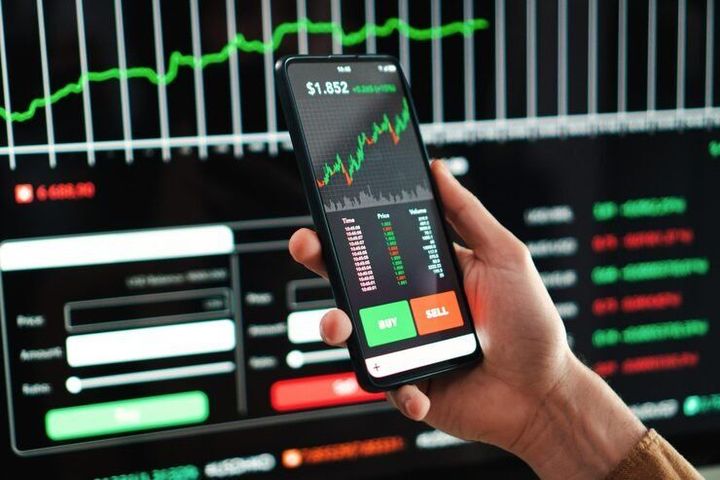
Mobile forex trading applications allow users to monitor exchange rates, view charts, receive market notifications, and manage eligible trading accounts through smartphones and tablets.
Typical features include:
Live currency exchange rate displays.
Interactive trading charts.
Economic calendar information.
Price alerts and notifications.
Account balance and position monitoring.
Order placement and management.
Institutional Forex Trading Systems
Institutional forex platforms are designed for banks, investment firms, corporations, and professional financial institutions. They may support electronic communication networks, multi-bank liquidity access, advanced execution systems, and institutional risk management.
These platforms often integrate with existing financial infrastructure and treasury management systems.
Essential Features of Modern Forex Trading Platforms
A forex trading platform combines several technical and financial features to support currency market activities.
Real-Time Currency Market Data
Real-time or near-real-time market data helps participants monitor currency pair movements. Platforms may display bid prices, ask prices, trading volumes where available, and historical exchange rate information.
The quality and timing of market data depend on the provider, exchange arrangements, and account configuration.
Technical Analysis and Charting Tools
Forex charting software helps users examine currency price movements through different chart formats, including line charts, bar charts, and candlestick charts.
Common technical analysis indicators include:
Moving Average Convergence Divergence (MACD).
Relative Strength Index (RSI).
Bollinger Bands.
Moving averages.
Fibonacci retracement levels.
These indicators are analytical tools rather than reliable predictions of future currency movements.
Automated Forex Trading Technology
Automated forex trading uses computer programs to execute predefined trading instructions. Algorithmic trading systems can analyze market information, identify specified conditions, and submit orders according to programmed rules.
Some platforms support Expert Advisors (EAs), trading bots, and application programming interfaces (APIs). Automated systems still involve market, execution, and technology risks.
Risk Management Features
Risk management tools help users monitor their financial exposure. Common platform features include stop-loss orders, margin monitoring, position sizing, and account statements.
However, stop-loss execution may differ from the requested price during rapid market movements or periods of limited liquidity.
Global Forex Brokers and Trading Platform Providers
Forex brokers and platform developers play different roles in the currency trading ecosystem. A broker provides access to eligible financial instruments, while a platform developer supplies the technology used for market analysis and trading.
Some internationally recognized names include:
Company or Platform | Main Technology or Activity |
|---|---|
MetaTrader 4 | Forex charting and trading software |
MetaTrader 5 | Multi-asset trading platform |
cTrader | Electronic forex and CFD trading technology |
TradingView | Financial charts and market analysis |
Interactive Brokers | Multi-market brokerage infrastructure |
Saxo | Multi-asset trading and investment technology |
IG Group | Online trading and financial market access |
OANDA | Currency market data and forex trading |
Platform availability, supported instruments, and brokerage permissions vary by country. A software provider is not necessarily a regulated forex broker, and using a particular platform does not automatically establish regulatory protection.
Forex Trading Technologies and Industry Developments, 2024–2026
The forex industry continues to evolve through improvements in digital infrastructure, financial analytics, and electronic execution systems.
Artificial Intelligence and Market Analytics
Financial technology companies are exploring artificial intelligence and machine learning for market research, economic data analysis, currency volatility monitoring, and trading system development.
These technologies can process large quantities of information, but their outputs depend on data quality and model limitations.
Cloud-Based Trading Infrastructure
Cloud computing supports the operation of digital trading applications, market data systems, and financial analytics tools. It also allows platform providers to maintain connected infrastructure across different regions.
API-Based Forex Trading
Application programming interfaces allow trading platforms to communicate with external applications and financial systems. They support automated order management, account reporting, and integration with analytical software.
Improved Cybersecurity
As online forex trading expands, account protection and data security remain important considerations. Multi-factor authentication, encryption, access controls, and transaction monitoring are commonly used to protect digital financial systems.
Forex Trading Regulations and Government Oversight in India
Forex trading regulations differ across countries and depend on the financial instruments involved.
In India, the Reserve Bank of India (RBI) regulates foreign exchange activities under the Foreign Exchange Management Act (FEMA). The Securities and Exchange Board of India (SEBI) regulates securities markets, including exchange-traded currency derivatives within its jurisdiction.
Indian residents should understand the applicable rules before participating in currency trading. RBI regulations distinguish between permitted foreign exchange transactions and unauthorized overseas forex trading arrangements.
Important regulatory considerations include:
Authorized dealers and permitted foreign exchange transactions.
Exchange-traded currency derivatives.
Broker registration and regulatory authorization.
Applicable margin and settlement requirements.
FEMA compliance and reporting obligations.
The RBI's Alert List identifies certain entities that are neither authorized to deal in foreign exchange nor authorized to operate electronic trading platforms for forex transactions. Regulatory status should be checked through official sources rather than broker advertisements.
Forex Trading Tools, Calculators and Research Platforms
Forex market participants use various digital resources to understand currency movements and financial exposure.
Some commonly used resources include:
TradingView: Currency charts, technical indicators, and market analysis.
MetaTrader: Forex charting, trading tools, and automated trading features.
Investing.com: Currency market information, economic calendars, and financial news.
OANDA Currency Converter: Currency conversion and historical exchange rate information.
CME Group: Currency futures market information and contract specifications.
Forex Calculators: Tools for calculating pip values, position sizes, margin requirements, and potential profit or loss.
These resources support financial research and market understanding. Their calculations and market information should be interpreted according to the underlying instrument and applicable trading conditions.
Frequently Asked Questions About Forex Trading Platforms
1. What are forex trading platforms?
Forex trading platforms are digital applications that provide access to currency market information, exchange rate charts, trading accounts, and supported foreign exchange instruments.
2. Which features are important in forex trading software?
Important features include real-time market data, technical analysis tools, currency charts, order management, account monitoring, and risk management functions.
3. What is the difference between MetaTrader 4 and MetaTrader 5?
MetaTrader 4 primarily focuses on forex trading, while MetaTrader 5 supports a wider range of financial instruments and additional analytical and trading functions. Actual instrument availability depends on the connected broker.
4. How do automated forex trading systems work?
Automated forex trading systems use programmed instructions to analyze market conditions and execute orders when predefined conditions are met. Their performance depends on market conditions, programming, and execution quality.
5. Is online forex trading regulated in India?
Yes. Foreign exchange activities in India are governed by FEMA and relevant RBI regulations, while SEBI oversees applicable securities and exchange-traded currency derivative markets. Permitted trading arrangements and eligible instruments should be verified through official regulatory sources.
Conclusion
Forex trading platforms provide digital infrastructure for accessing currency markets, analyzing exchange rates, and managing eligible financial transactions. Desktop applications, mobile trading software, institutional systems, and automated trading technologies support different market participants. Global brokers and platform developers contribute to the wider foreign exchange ecosystem through trading infrastructure and analytical tools. Regulatory compliance, market transparency, cybersecurity, and financial risk management remain important aspects of modern forex trading.
Disclaimer - The information provided in this article is for general informational and educational purposes only. We do not sell financial products or provide financial services or personalized financial advice. We make no guarantees regarding the accuracy, reliability, or completeness of the information presented. This content should not be considered professional financial advice. Readers should conduct their own research and consult qualified professionals before making financial decisions.