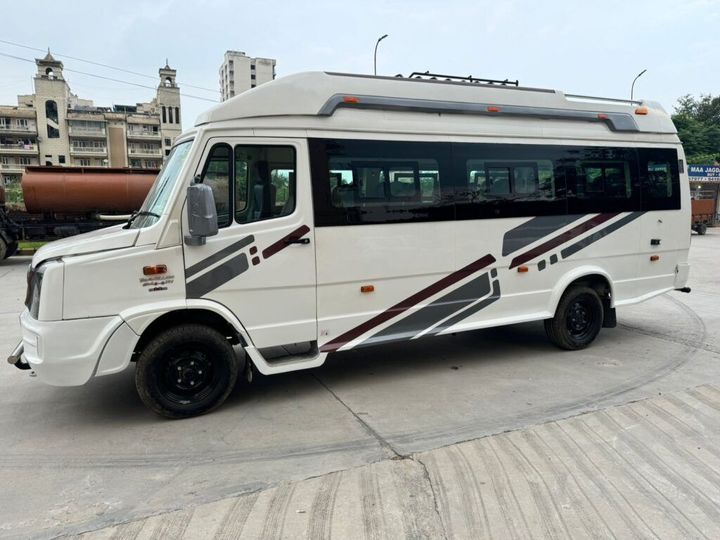
Force Urbania: Luxury Travel Features, Design, and Passenger Experience Guide
Force Urbania is a modern passenger transportation vehicle designed to support comfortable and efficient travel for groups. Developed with a focus on space utilization, passenger convenience, and safety, the vehicle represents a newer generation of people-mover platforms used across various transportation environments.
The vehicle is designed to bridge the gap between traditional passenger vans and larger commercial buses. With a spacious cabin, improved ergonomics, modern safety systems, and contemporary styling, Force Urbania has attracted attention within the passenger mobility sector.
High CPC keywords associated with this topic include commercial vehicle technology, passenger transport solutions, fleet management systems, vehicle safety technology, transportation infrastructure, smart mobility solutions, passenger comfort systems, fleet operations, automotive engineering, and intelligent transportation systems.
As transportation technology continues evolving, vehicles like Force Urbania demonstrate how modern design and engineering are improving passenger travel experiences.
Why Modern Passenger Transport Vehicles Matter
Transportation plays a critical role in supporting mobility, tourism, education, business operations, and community connectivity. Modern passenger vehicles are increasingly designed to provide enhanced comfort, improved safety, and greater operational efficiency.
Key objectives of modern transportation vehicles include:
- Passenger comfort
- Travel efficiency
- Improved safety
- Better accessibility
- Reduced driver fatigue
- Enhanced travel experience
These factors influence transportation operators, fleet managers, passengers, tourism organizations, educational institutions, and mobility planners.
Growing demand for comfortable group transportation has encouraged manufacturers to develop more advanced passenger vehicle platforms.
Design Philosophy Behind Force Urbania
Modern transportation vehicles are expected to balance practicality with user comfort. The design philosophy of Force Urbania reflects this approach by emphasizing cabin space, accessibility, visibility, and passenger convenience.
Important design considerations include:
- Aerodynamic body structure
- Spacious interior layout
- Improved visibility
- Passenger accessibility
- Ergonomic seating arrangements
- Modern dashboard design
These design elements contribute to a more comfortable and efficient travel environment.
Exterior Design Features
The exterior design incorporates several modern automotive styling elements.
Common highlights include:
- Contemporary front fascia
- Large windshield area
- Integrated lighting systems
- Streamlined body profile
- Improved aerodynamic efficiency
- Enhanced road visibility
These characteristics support both functionality and aesthetics.
Passenger Comfort Features
Passenger comfort has become a significant focus in modern transportation design.
Common comfort-oriented features include:
- Spacious cabin dimensions
- Comfortable seating arrangements
- Large windows
- Improved headroom
- Climate management systems
- Better entry and exit accessibility
The emphasis on interior space contributes to a more pleasant travel experience during both short and long journeys.
Cabin Design and Interior Layout
The interior environment is one of the most important aspects of passenger transportation vehicles.
| Interior Feature | Purpose |
|---|---|
| Wide Cabin Layout | Improved passenger movement |
| High Roof Design | Increased standing space |
| Ergonomic Seating | Enhanced comfort |
| Large Glass Area | Better visibility |
| Storage Solutions | Practical utility |
| Climate Systems | Passenger convenience |
These features help create a more user-friendly interior environment.
Seating Configurations and Space Utilization
Efficient use of cabin space is a key consideration in passenger transportation design.
Modern layouts are designed to support:
- Flexible seating arrangements
- Comfortable passenger spacing
- Improved accessibility
- Efficient movement within the cabin
- Better luggage accommodation
Space optimization remains one of the defining characteristics of modern people-mover vehicles.
Safety Features and Technologies
Safety remains one of the most important aspects of vehicle design.
Modern passenger transportation vehicles commonly include:
- Anti-lock braking systems (ABS)
- Electronic stability technologies
- Seatbelt systems
- Driver assistance features
- Reinforced vehicle structures
- Emergency safety mechanisms
These systems contribute to passenger protection and vehicle stability under varying operating conditions.
Vehicle Safety Technologies Overview
| Safety Technology | Function |
|---|---|
| ABS | Controlled braking performance |
| Stability Systems | Improved vehicle control |
| Seatbelt Systems | Occupant protection |
| Structural Reinforcement | Crash energy management |
| Visibility Enhancements | Improved driver awareness |
| Safety Monitoring Systems | Operational support |
The integration of multiple safety technologies helps create a safer transportation environment.
Driver-Centric Design
In addition to passenger comfort, modern vehicle platforms increasingly focus on driver usability.
Key driver-oriented features often include:
- Ergonomic controls
- Enhanced visibility
- Intuitive dashboard layouts
- Improved seating position
- Instrumentation systems
- Reduced operational complexity
These improvements support safer and more comfortable vehicle operation.
Transportation Applications
Passenger transportation vehicles are utilized across various sectors.
Common applications include:
- Educational transportation
- Tourism mobility
- Corporate transportation
- Institutional transport
- Community mobility programs
- Regional transportation services
The adaptability of these vehicles makes them suitable for a variety of transportation requirements.
Automotive Engineering and Innovation
The transportation industry continues to adopt new technologies aimed at improving performance, safety, and efficiency.
Important areas of innovation include:
- Intelligent vehicle systems
- Connected mobility technologies
- Advanced driver assistance systems
- Digital monitoring platforms
- Lightweight engineering materials
- Improved vehicle ergonomics
These developments are shaping the future of passenger transportation.
Recent Trends and Updates (2025–2026)
Several transportation industry trends have emerged during the past year.
Key developments include:
- Increased focus on passenger safety
- Expansion of connected vehicle technologies
- Enhanced cabin comfort designs
- Improved transportation accessibility
- Greater adoption of fleet monitoring systems
- Growth of smart mobility initiatives
Manufacturers continue investing in technologies that improve transportation efficiency and passenger experiences.
Transportation Technology Comparison
| Feature Area | Traditional Passenger Vehicles | Modern Passenger Vehicles |
|---|---|---|
| Cabin Space | Moderate | Enhanced |
| Passenger Comfort | Basic | Advanced |
| Safety Technologies | Standard | Expanded |
| Visibility | Conventional | Improved |
| Ergonomics | Functional | User-focused |
| Technology Integration | Limited | Extensive |
This evolution highlights the growing emphasis on passenger-centric transportation design.
Laws and Policies Affecting Passenger Transport Vehicles
Passenger transportation vehicles operate within regulatory frameworks designed to ensure safety and operational compliance.
Important regulatory considerations include:
- Vehicle safety standards
- Passenger transportation regulations
- Roadworthiness requirements
- Emission standards
- Driver safety regulations
- Accessibility guidelines
These regulations help support public safety and transportation reliability.
Tools and Resources
Useful resources related to passenger transportation and vehicle technology include:
- Vehicle safety assessment guides
- Transportation research publications
- Fleet management platforms
- Mobility analytics tools
- Automotive engineering resources
- Transportation planning software
- Driver safety education materials
- Smart mobility research databases
These resources provide valuable information about transportation systems and vehicle technologies.
Frequently Asked Questions
What is Force Urbania?
Force Urbania is a passenger transportation vehicle designed to provide comfortable travel, modern safety features, and efficient space utilization for group transportation.
What makes modern passenger vehicles different from traditional vans?
Modern passenger vehicles often feature improved cabin design, advanced safety technologies, enhanced comfort systems, and better ergonomics.
Why is cabin space important in passenger transportation?
Adequate cabin space improves passenger comfort, accessibility, movement, and overall travel experience.
What safety technologies are commonly found in modern passenger vehicles?
Common technologies include anti-lock braking systems, stability control systems, seatbelt systems, reinforced structures, and visibility enhancements.
What are major transportation trends in 2026?
Passenger comfort improvements, connected vehicle technologies, safety innovations, smart mobility solutions, and transportation efficiency enhancements are among the leading trends.
Conclusion
Force Urbania represents the continuing evolution of modern passenger transportation design. By emphasizing passenger comfort, cabin space, safety technologies, ergonomic design, and operational practicality, vehicles in this category reflect broader trends shaping the transportation industry.
As automotive engineering, intelligent mobility systems, and passenger-focused innovations continue advancing, transportation platforms are becoming increasingly efficient, comfortable, and technologically sophisticated. Understanding vehicle design principles, safety technologies, passenger experience considerations, and transportation trends provides valuable insight into the future of modern mobility.
Disclaimer
This article is intended solely for informational and educational purposes. It does not promote, advertise, endorse, recommend, facilitate, or encourage the purchase, sale, rental, booking, or commercial use of any vehicle, transportation provider, manufacturer, or organization. References to Force Urbania and related transportation technologies are included only to explain vehicle design, passenger comfort, safety systems, automotive engineering concepts, and industry developments. The content should not be interpreted as commercial, financial, operational, legal, transportation, or professional advice.