Floating Villages in Vietnam Explained: Discover Traditional Houseboats, Fishing Culture, Travel Advice, and Scenic Waterway Knowledge
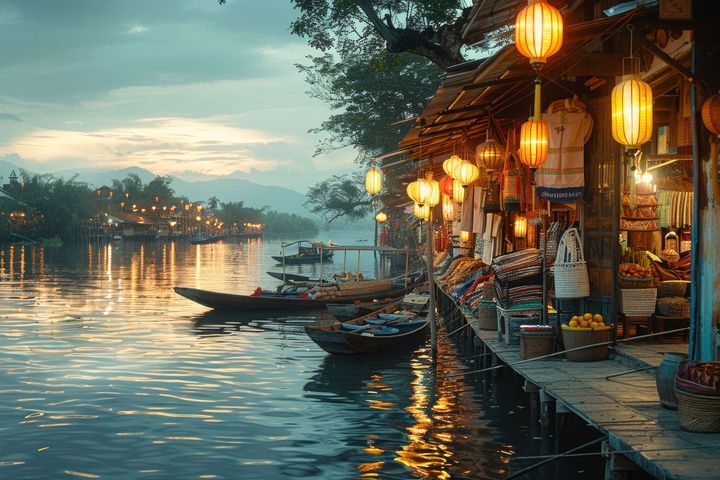
Floating villages in Vietnam are unique communities built on rivers, lakes, and coastal waterways where people live, work, and travel on the water. These settlements developed over centuries as local families adapted to environments where fishing, transportation, and daily life depended heavily on waterways.
Understanding Floating Villages in Vietnam
Today, floating villages remain an important part of Vietnam’s cultural heritage. They are found in regions such as Ha Long Bay, the Mekong Delta, and large freshwater lakes. Many travelers exploring Vietnam travel packages, Vietnam sightseeing tours, and Vietnam holiday packages often include these locations to better understand traditional lifestyles and local customs.
The existence of floating villages is closely connected to Vietnam’s geography. Extensive river networks, fertile deltas, and coastal areas created conditions where water-based communities could thrive. Traditional houseboats, floating homes, and fish farms continue to demonstrate how residents have adapted to living alongside rivers and lakes.
Why Floating Villages Matter Today
Floating villages remain significant for cultural, environmental, and economic reasons.
They preserve traditional fishing knowledge that has been passed through generations. These communities also help researchers understand sustainable water-based living practices and the relationship between people and aquatic ecosystems.
For visitors participating in Vietnam tourism packages or Vietnam river cruises, floating villages provide educational opportunities to learn about local traditions beyond urban destinations.
Key reasons they remain important include:
- Preservation of cultural heritage
- Support for traditional fishing activities
- Promotion of environmental awareness
- Contribution to regional tourism knowledge
- Documentation of unique architectural traditions
Many communities also face challenges such as environmental changes, modernization, and shifts in younger generations' career preferences. Understanding these villages helps highlight both cultural preservation and sustainable development discussions.
Different Types of Floating Villages in Vietnam
Vietnam contains several types of floating communities, each shaped by local geography and economic activities.
River-Based Floating Villages
These communities are commonly found along the Mekong Delta. Residents often rely on fishing, river transportation, and floating markets.
Lake Floating Villages
Freshwater lakes support villages where homes, schools, and community structures may float on platforms. Fishing and aquaculture are common occupations.
Coastal Floating Villages
Located near bays and coastal waters, these villages often focus on seafood harvesting and marine fish farming.
Houseboat Communities
Some families live primarily on traditional houseboats rather than fixed floating structures. These vessels serve as both homes and transportation.
Aquaculture Villages
These communities are centered around fish farming and aquatic cultivation. Floating cages and farming systems are integrated into daily life.
| Village Type | Common Location | Main Activity |
|---|---|---|
| River Floating Village | Mekong Delta | Fishing and transport |
| Lake Floating Village | Inland lakes | Freshwater fishing |
| Coastal Floating Village | Bays and coastal waters | Seafood activities |
| Houseboat Community | Rivers and waterways | Mobile living |
| Aquaculture Village | Various water regions | Fish farming |
Benefits and Applications of Floating Villages
Floating villages provide insights into sustainable resource use and traditional community development.
Some notable benefits include:
- Efficient use of water-based environments
- Preservation of local traditions
- Support for fishing and aquaculture industries
- Educational opportunities for cultural studies
- Attraction for cultural tourism research
Applications extend beyond tourism.
Researchers study these communities to understand climate adaptation, aquatic resource management, and traditional ecological knowledge. Educational institutions often examine floating villages as examples of human adaptation to changing environments.
The following chart summarizes major benefits:
| Benefit Area | Contribution |
| Culture | Heritage preservation |
| Environment | Water-resource awareness |
| Education | Community learning opportunities |
| Economy | Fishing and aquaculture support |
| Tourism Knowledge | Cultural understanding |
Travelers participating in luxury Vietnam tours, Vietnam adventure tours, and Vietnam honeymoon packages frequently visit floating villages to gain deeper cultural insights into local lifestyles.
Leading Organizations and Tourism Providers Associated with Vietnam Travel
Several organizations and companies are widely recognized within Vietnam’s tourism sector and often feature floating village destinations in educational travel itineraries.
- Vietravel
- Saigontourist
- Hanoi Tourist
- BestPrice Travel
- Buffalo Tours
These organizations are known for developing travel itineraries that may include cultural, historical, and waterway destinations throughout Vietnam.
Recent Developments and Trends
Several developments have influenced floating village communities during the past year.
2025–2026 Tourism Sustainability Focus
Vietnam has continued promoting sustainable tourism practices that encourage responsible visitation of cultural and environmental sites, including water-based communities.
Environmental Monitoring Programs
Local authorities and environmental organizations have increased monitoring of water quality and ecosystem health in regions connected to floating settlements.
Community Preservation Initiatives
Various cultural preservation projects have focused on documenting traditional fishing methods, oral histories, and architectural practices associated with floating villages.
Growth of Educational Tourism
Interest in experiential learning and cultural tourism has expanded. Visitors increasingly seek opportunities to understand local traditions and community lifestyles rather than focusing solely on major urban attractions.
Laws, Regulations, and Government Policies
Floating villages are influenced by several categories of Vietnamese regulations.
Fisheries Management Rules
Fishing activities are subject to resource management policies designed to protect aquatic ecosystems and maintain sustainable fish populations.
Environmental Protection Regulations
Communities located on rivers and lakes must comply with environmental standards related to waste management and water quality protection.
Tourism Management Policies
Tourism activities in sensitive cultural and environmental areas are often guided by regulations intended to balance visitor access with preservation goals.
Heritage and Cultural Preservation Programs
Government agencies and local authorities support initiatives aimed at protecting traditional cultural practices and community heritage.
These policies help address issues such as environmental sustainability, resource conservation, and long-term cultural preservation.
Helpful Tools and Resources
Individuals interested in learning more about floating villages and Vietnamese waterways can use several resources.
Mapping and Navigation Resources
- Google Maps
- OpenStreetMap
- Waterway navigation references
Travel Information Platforms
- Official Vietnam tourism information portals
- Cultural heritage resources
- Regional destination guides
Educational Resources
- Academic publications on Southeast Asian communities
- Environmental conservation reports
- Cultural heritage studies
Useful Mobile Applications
- Translation applications
- Navigation tools
- Weather forecasting applications
- River and marine condition monitoring services
Planning Templates
- Travel itinerary planners
- Cultural research worksheets
- Photography planning checklists
- Responsible tourism guidelines
Frequently Asked Questions
What is a floating village in Vietnam?
A floating village is a community where homes and other structures are built on floating platforms or boats, allowing residents to live directly on waterways.
Where are the most famous floating villages located?
Well-known floating villages can be found in Ha Long Bay, the Mekong Delta, and several freshwater lake regions across Vietnam.
How do residents earn a living?
Many residents participate in fishing, aquaculture, seafood harvesting, transportation, and tourism-related activities.
Are floating villages still inhabited today?
Yes. Many floating villages continue to have permanent residents, although some communities have experienced changes due to modernization and environmental factors.
Why are floating villages important?
They preserve cultural traditions, demonstrate adaptation to aquatic environments, and provide valuable insights into sustainable water-based living.
Can visitors learn about local culture there?
Yes. Floating villages offer opportunities to observe traditional fishing methods, community lifestyles, local architecture, and waterway-based cultural practices.
Conclusion
Floating villages in Vietnam represent a fascinating combination of cultural heritage, environmental adaptation, and traditional knowledge. Built around rivers, lakes, and coastal waters, these communities demonstrate how generations of residents have developed sustainable ways of living alongside aquatic environments.
Whether encountered through Vietnam river cruises, floating villages Vietnam educational tours, Vietnam vacation packages, luxury Vietnam tours, or Vietnam adventure tours, these communities provide valuable insight into the country’s history and traditions. Their continued preservation remains important for cultural heritage, environmental awareness, and future generations seeking to understand the relationship between people and waterways.
Informational Disclaimer: References to Vietnam travel packages, Vietnam tourism packages, Vietnam holiday packages, Vietnam honeymoon packages, and related travel categories are provided for educational and informational purposes only. Availability, itinerary details, eligibility requirements, transportation arrangements, and associated expenses may vary by provider, season, location, and applicable regulations.