Floating Solar Technology Guide for Sustainable Energy Projects
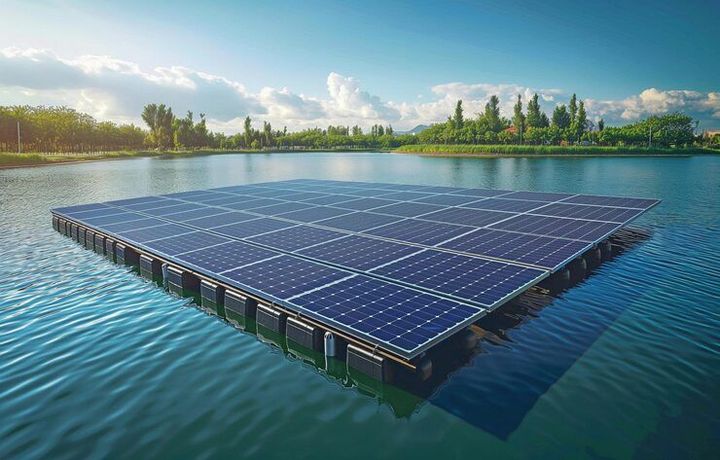
Floating solar technology refers to solar panels installed on bodies of water rather than on land. These systems are commonly placed on reservoirs, lakes, industrial ponds, and water storage facilities using floating structures that support solar modules above the water surface. The approach combines renewable energy generation with efficient use of space, making it especially useful in areas where land availability is limited or expensive. Unlike traditional ground-mounted solar systems, floating solar installations can help reduce water evaporation while producing electricity for industrial, municipal, or commercial use.
This topic has gained worldwide attention because global energy demand continues to grow while sustainability goals are becoming more important across industries. According to global energy research, many organizations are now exploring cleaner energy solutions that can operate efficiently without competing heavily for land resources. Floating solar technology has become part of this transition because it offers a practical way to expand renewable energy capacity while using existing water infrastructure. Over the past few years, improvements in panel efficiency, floating materials, and energy storage integration have also increased international interest in these projects.
The real-world impact of floating solar systems extends beyond electricity production. These projects may support water conservation efforts, improve energy diversification, and help organizations lower long-term operational emissions. Industrial operators, public utilities, agricultural facilities, and infrastructure developers are all examining how floating solar projects fit into broader sustainability planning. As adoption increases globally, understanding who benefits most from this technology and what challenges it solves becomes increasingly important.
Who It Affects & Problems It Solves
Floating solar technology affects a broad range of stakeholders across global energy and infrastructure sectors. Utility operators may use it to expand renewable generation capacity without acquiring additional land. Industrial facilities with water reservoirs can integrate floating solar into their energy systems to offset operational electricity use. Agricultural operations, educational institutions, and infrastructure planners also benefit from solutions that support renewable energy goals while preserving available land for other activities. Even investors and sustainability consultants increasingly study floating solar systems as part of long-term clean energy strategies.
Without a clear understanding of floating solar technology, many organizations may struggle to balance renewable energy expansion with land management concerns. Traditional solar projects sometimes require large surface areas, which can create competing demands for agriculture, housing, or industrial development. Floating solar systems help address this challenge by utilizing water surfaces that already exist for operational or environmental purposes. They can also contribute to lower panel temperatures due to the cooling effect of water, which may improve operational efficiency under certain conditions.
A common mistake in sustainable energy planning is assuming that all solar systems perform equally regardless of installation environment. In reality, floating systems involve different engineering requirements, maintenance procedures, and environmental considerations compared to land-based installations. Organizations that overlook anchoring systems, water-level changes, or long-term material durability may face operational complications later. These practical concerns have encouraged more global discussion and recent innovation within the floating solar industry, leading directly into the latest developments shaping the market today.
Recent Updates
Over the past year, floating solar technology has continued evolving as more energy developers integrate advanced monitoring systems into project design. Digital performance tracking tools are now commonly used to monitor panel efficiency, water conditions, and equipment stability in real time. This shift reflects a broader global trend toward smarter renewable energy infrastructure that prioritizes predictive maintenance and operational reliability.
In early 2025, industry attention also increased around hybrid renewable systems that combine floating solar with battery storage or hydropower infrastructure. These combinations can improve energy management by balancing production and storage capabilities more effectively. According to industry data, integrated energy systems are becoming more attractive because they help operators stabilize renewable power output during changing weather conditions.
Another important trend involves improvements in floating platform materials. Manufacturers are developing more durable and recyclable floating structures designed to withstand extended environmental exposure. Greater emphasis on material sustainability has become important globally because organizations increasingly evaluate renewable energy projects not only by energy output but also by long-term environmental impact throughout the system lifecycle.
Environmental assessment practices have also expanded over the past year. Project planners now place greater focus on studying water ecosystems, sunlight penetration, and long-term maintenance impacts before installation begins. This reflects broader international awareness that renewable energy infrastructure must balance energy goals with responsible environmental management. These developments help explain why comparing floating solar systems with traditional alternatives has become essential for project planning and investment decisions.
Comparison Table
The following comparison highlights key differences between floating solar systems and traditional ground-mounted solar installations. These factors matter globally because organizations must balance cost, efficiency, environmental impact, and operational practicality when selecting renewable energy solutions.
| Parameter | Floating Solar Systems | Ground-Mounted Solar Systems |
|---|---|---|
| Installation Location | Water surfaces | Land areas |
| Land Usage | Minimal land required | Significant land use |
| Cooling Effect | Natural cooling from water | Limited cooling |
| Energy Efficiency | Often slightly higher | Standard efficiency |
| Installation Complexity | More technically complex | Simpler installation |
| Maintenance Access | Requires water access planning | Easier physical access |
| Environmental Considerations | Water ecosystem impact assessment needed | Land use impact assessment needed |
| Space Optimization | High in land-constrained areas | Limited by available land |
| Initial Infrastructure Cost | Typically higher | Usually lower |
| Scalability | Suitable for reservoirs and ponds | Suitable for open land |
| Water Evaporation Reduction | Possible additional benefit | No direct effect |
| Long-Term Durability Needs | High resistance to moisture required | Standard outdoor durability |
The table shows that floating solar technology offers clear advantages where land conservation and water resource optimization are priorities. However, it also demonstrates that these systems may involve greater engineering complexity and higher initial setup considerations. Understanding these trade-offs is important because successful renewable energy planning depends not only on energy output but also on long-term operational management and regulatory expectations.
Regulations & Practical Guidance
In most countries, renewable energy projects must follow environmental, engineering, and safety standards before construction begins. Floating solar systems are generally subject to additional review because they interact directly with water infrastructure and surrounding ecosystems. Regulators globally tend to require assessments related to water quality, aquatic habitats, electrical safety, and structural stability. These evaluations help ensure that floating systems operate safely without creating unintended environmental consequences.
Most jurisdictions also expect project developers to establish long-term maintenance and emergency response procedures. Floating solar systems may experience changing water levels, strong weather conditions, or mechanical stress over time, making regular inspections important for operational reliability. International industry standards increasingly encourage durable anchoring systems, corrosion-resistant materials, and continuous monitoring technology to reduce operational risks throughout the project lifecycle.
Financial and operational planning also play a major role in project approval processes. In many regions, authorities require evidence that renewable infrastructure projects can remain economically and environmentally sustainable over the long term. Because floating solar technology is still developing in some markets, organizations often conduct detailed feasibility studies before committing to full-scale deployment.
Which Option Suits Your Situation?
Organizations with limited land availability but access to suitable water bodies may find floating solar systems especially practical. Industrial facilities, water treatment operations, and infrastructure managers often benefit from preserving land for core activities while still expanding renewable energy generation capacity. In these situations, floating systems can support sustainability objectives without reducing operational space.
Businesses with stable long-term energy demand may also consider floating solar projects if they are prepared for higher upfront engineering complexity. Since these installations often require specialized anchoring, environmental analysis, and maintenance planning, they are generally better suited for organizations focused on long-term operational efficiency rather than short-term energy savings alone.
Smaller organizations or first-time renewable energy adopters may prefer ground-mounted systems if simplicity and easier maintenance are top priorities. Traditional solar installations usually involve more familiar infrastructure and lower technical complexity. For many users, starting with conventional solar systems may provide valuable operational experience before exploring floating alternatives later.
Project developers focused heavily on sustainability reporting and environmental optimization may view floating solar technology as part of a broader integrated strategy. Combining renewable generation with water conservation benefits and efficient land use can support long-term environmental planning goals. As global renewable energy systems continue evolving, understanding available tools and informational resources becomes increasingly valuable.
Tools & Resources
Several globally accessible tools and informational resources can help organizations better understand floating solar technology and renewable energy planning.
PVsyst — A solar energy simulation tool commonly used to estimate system performance, energy yield, and operational efficiency for different solar configurations.
SAM Energy Model — An energy analysis platform that helps evaluate renewable project economics, storage integration, and long-term system output.
HelioScope — A design and performance modeling resource that supports solar layout planning and production forecasting.
OpenSolar — A project planning tool used for conceptual solar system design and operational estimation.
Global Solar Atlas — A mapping resource that provides solar irradiation and energy potential information for project assessment purposes.
RETScreen — A clean energy management platform that supports feasibility analysis, energy benchmarking, and environmental performance evaluation.
Industry Research Journals — Technical publications and renewable energy reports that provide updates on floating solar innovation, environmental studies, and infrastructure trends.
These resources can help developers, consultants, and organizations make more informed renewable energy decisions while preparing for the practical realities discussed in the following frequently asked questions.
Frequently Asked Questions
What is the main difference between floating solar and traditional solar systems?
Floating solar systems are installed on water surfaces using buoyant structures, while traditional solar systems are typically installed on land or rooftops. Floating systems may benefit from natural cooling effects that can improve panel performance under certain conditions. However, they also require specialized anchoring, environmental analysis, and maintenance procedures because they operate in water-based environments rather than standard ground locations.
Who should consider floating solar technology?
Floating solar technology may suit organizations that have access to reservoirs, industrial ponds, or other stable water surfaces while facing land limitations. It can also benefit operators focused on sustainability planning, water conservation, or efficient land management. However, projects are usually more practical for organizations prepared to manage technical complexity, long-term maintenance, and environmental assessment requirements throughout the system lifecycle.
Are floating solar systems subject to environmental regulations?
Yes. In most jurisdictions, floating solar projects must follow environmental and infrastructure review processes before installation. Authorities globally often require evaluations related to water ecosystems, electrical safety, and structural durability. Ongoing monitoring and maintenance standards are also common because these systems interact directly with water environments and may affect surrounding ecological conditions over time.
Is floating solar technology always more efficient?
A common misconception is that floating solar systems automatically produce significantly more energy than land-based systems. While water cooling can improve panel efficiency under certain operating conditions, overall performance still depends on design quality, sunlight exposure, maintenance practices, and environmental factors. Floating systems are not universally superior, but they can offer important advantages in specific operational settings.
Is there a minimum project size for floating solar systems?
There is no universal minimum size requirement for floating solar projects. Smaller systems may be suitable for industrial ponds or localized infrastructure needs, while larger systems are often developed for utility-scale power generation. Project feasibility usually depends more on water surface stability, engineering design, environmental impact considerations, and long-term energy goals than on a fixed installation size threshold.
Conclusion
Floating solar technology represents an important development in global renewable energy planning because it combines clean power generation with more efficient use of available space. Compared with traditional land-based systems, floating installations may support water conservation goals, reduce land pressure, and improve operational efficiency in certain environments. At the same time, these systems require careful engineering, environmental review, and long-term maintenance planning to operate successfully.
For organizations evaluating renewable energy options, the most suitable approach depends on available infrastructure, operational priorities, environmental conditions, and long-term sustainability objectives. Floating solar systems may provide strong advantages where water resources and land constraints intersect, while conventional solar systems may remain more practical for simpler deployment needs.