Table of Contents

Explore Virtual Design and Construction: Explanation, Details, Advice, Suggestions, and Smart Construction Cost Saving Insights

Explore Virtual Design and Construction: Explanation, Details, Advice, Suggestions, and Smart Construction Cost Saving Insights

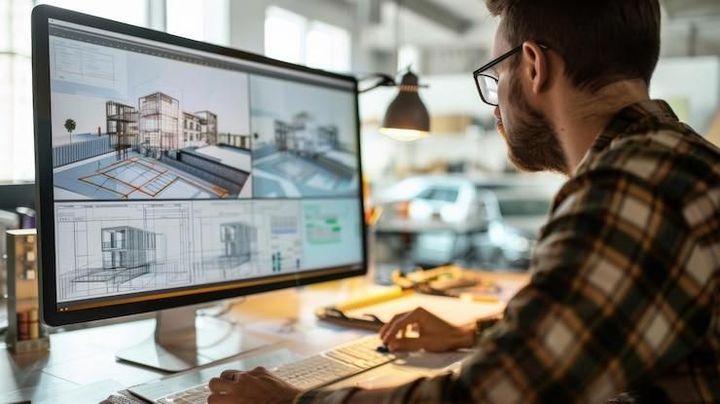
Virtual Design and Construction (VDC) is a digital method used in the construction and infrastructure industry to improve planning, coordination, and project visualization before physical work begins. It combines technologies such as Building Information Modeling (BIM), 3D simulation, data analytics, and cloud collaboration tools to help teams understand how a project will function during its full lifecycle.


Traditional construction planning often depended on paper drawings and separate communication channels between architects, engineers, contractors, and project managers. VDC was introduced to reduce misunderstandings, improve coordination, and help teams identify design conflicts early.

Today, many organizations use digital construction planning to simulate building layouts, construction schedules, material usage, and safety procedures before onsite activities begin. This approach supports smarter project management and improved resource efficiency.

Core Elements of Virtual Design and Construction

ComponentPurpose
Building Information Modeling (BIM)Creates detailed digital building models
3D VisualizationHelps teams understand layouts and structures
Project SchedulingTracks timelines and workflow stages
Data AnalyticsSupports performance monitoring
Cloud CollaborationImproves communication between teams
Digital Twin SystemsSimulates real-world building behavior

Why Virtual Design and Construction Matters

The construction industry faces challenges such as project delays, design errors, rising material expenses, labor shortages, and environmental concerns. Virtual Design and Construction helps organizations respond to these issues through better planning and coordination.

One important advantage of VDC is early conflict detection. Digital models can reveal clashes between plumbing, electrical, and structural systems before physical installation begins. This reduces rework and improves workflow efficiency.

Another important factor is sustainability. Many construction projects now focus on energy efficiency and environmental performance. Digital modeling tools help analyze lighting, ventilation, energy use, and material efficiency during the design phase.

VDC also improves communication. Large infrastructure projects often involve multiple teams working in different locations. Cloud-based construction management systems help participants access updated project information in real time.

Industries Using VDC Technology

  • Commercial construction
  • Residential housing development
  • Transportation infrastructure
  • Healthcare facilities
  • Industrial manufacturing plants
  • Educational campuses
  • Renewable energy projects

Smart Construction Cost Saving Insights

Virtual planning methods can support better financial decision-making by improving resource management and reducing unnecessary revisions. Although project outcomes vary, digital coordination often helps reduce inefficiencies associated with traditional workflows.

Construction ChallengeVDC Contribution
Design ConflictsEarly clash detection
Material WasteAccurate quantity estimation
Schedule DelaysImproved timeline simulation
Communication GapsShared digital platforms
Safety RisksVisual safety planning
Energy InefficiencySustainability analysis

Construction analytics platforms can also help track productivity trends and project performance data. These insights allow managers to make informed adjustments during project execution.

Recent Developments in Virtual Design and Construction

The past year has seen increased interest in artificial intelligence, automation, and digital twin systems within the construction technology sector.

In 2025, several engineering firms expanded the use of AI-assisted BIM workflows to automate design reviews and improve project coordination. Cloud collaboration software providers also introduced real-time model synchronization features that allow distributed teams to work more efficiently on shared infrastructure projects.

Another major trend has been the integration of sustainability tracking tools into digital construction platforms. Environmental reporting systems now help organizations monitor energy modeling, carbon estimation, and lifecycle performance data during planning stages.

Many governments and infrastructure agencies have continued encouraging BIM adoption for public infrastructure development. Updated standards in 2025 also focused on cybersecurity protections for cloud-based construction data systems.

Growth Trends in Construction Technology

Technology TrendCurrent Direction
AI Construction AnalyticsIncreasing adoption
Digital Twin PlatformsRapid growth
Cloud-Based BIMIndustry standard expansion
Sustainable Design ModelingHigher regulatory focus
Mobile Site CollaborationWider field usage

Regulations and Policy Influence

Construction technology adoption is affected by building regulations, infrastructure standards, environmental guidelines, and public procurement policies. Different countries apply different rules depending on project type and size.

Many public infrastructure agencies now encourage or require BIM documentation for large transportation and government projects. These policies aim to improve transparency, reduce project risk, and standardize digital records.

Environmental regulations also influence VDC practices. Sustainable building standards increasingly require energy modeling and lifecycle performance analysis during project planning.

Data security regulations are becoming more important as construction companies rely on cloud platforms for project collaboration. Organizations handling infrastructure data may need to follow cybersecurity and digital documentation standards.

Common Policy Areas Connected to VDC

  • Building safety regulations
  • Environmental compliance standards
  • Infrastructure modernization programs
  • Digital documentation requirements
  • Energy efficiency reporting
  • Cybersecurity frameworks for cloud systems

Helpful Tools and Digital Resources

Many software platforms support virtual construction workflows, project visualization, and infrastructure coordination. Some tools focus on modeling, while others specialize in scheduling, analytics, or collaboration.

Tool or PlatformMain Function
Autodesk RevitBIM modeling
NavisworksClash detection and coordination
Bentley SystemsInfrastructure engineering
ProcoreConstruction project management
Trimble ConnectTeam collaboration
SketchUp3D visualization
Primavera P6Construction scheduling
Autodesk Construction CloudWorkflow integration

Learning Resources for Beginners

  • BIM educational tutorials
  • Construction technology webinars
  • Infrastructure engineering publications
  • Digital twin research reports
  • Cloud collaboration guides
  • Sustainability modeling documentation

Practical Benefits for Project Teams

Project managers often use VDC systems to monitor scheduling and coordinate contractor communication. Engineers rely on digital models to review system integration. Architects use visualization tools to refine layouts and improve design clarity.

Field teams may also benefit from mobile access to updated project drawings and digital documentation. This can reduce confusion caused by outdated plans or inconsistent communication.

Educational institutions have also started incorporating BIM and construction analytics into engineering and architecture programs due to rising industry demand for digital project management skills.

Frequently Asked Questions

What is the difference between BIM and Virtual Design and Construction?

Building Information Modeling (BIM) is one component of Virtual Design and Construction. BIM focuses mainly on creating digital building models, while VDC includes broader processes such as scheduling, collaboration, simulation, and project analytics.

Why is VDC becoming more common in construction?

Organizations are adopting VDC because it supports better coordination, improved visualization, and more efficient planning across complex projects. It also helps reduce design conflicts and workflow delays.

Can small construction projects use VDC methods?

Yes. Smaller projects can use simplified BIM software, digital scheduling tools, and cloud collaboration platforms to improve communication and project tracking.

What industries benefit from digital construction planning?

Industries such as commercial real estate, healthcare, transportation, manufacturing, education, and renewable energy frequently use construction technology solutions.

Does VDC support sustainable building design?

Yes. Many digital modeling platforms include energy analysis, material tracking, and environmental performance tools that support sustainable planning objectives.

The Future of Virtual Design and Construction

Virtual Design and Construction continues to evolve as digital infrastructure technologies become more advanced. Artificial intelligence, predictive analytics, and real-time digital twin systems are expected to play a larger role in project planning and facility management over the coming years.

The construction industry is gradually shifting toward more connected and data-driven workflows. Organizations that understand digital collaboration, smart infrastructure planning, and BIM-based coordination may be better prepared for future project demands.

As urban development, sustainability goals, and infrastructure modernization continue expanding globally, Virtual Design and Construction is likely to remain an important part of modern engineering and construction planning practices.


author-image

Harshit Sharma

We are a performance-driven media buying team focused on scaling brands through smart, data-backed advertising strategies

May 25, 2026 . 8 min read