Explore Plastic Molding Machines: Complete Information, Details, Tips, Facts, and Learning Resources
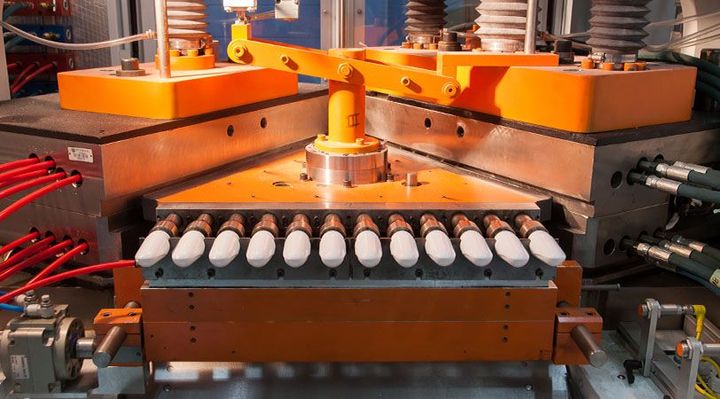
Plastic molding machines are industrial systems used to shape plastic materials into specific forms and products. These machines play an important role in modern manufacturing by helping create items used in daily life, including packaging containers, automotive components, electronic housings, medical devices, household products, and industrial equipment.
The development of plastic molding technology emerged from the need for efficient mass production. As industries expanded and product demand increased, manufacturers required reliable methods to create consistent plastic parts with precision and speed. Today, plastic molding equipment supports numerous sectors and contributes significantly to global manufacturing output.
Common machine types include injection molding machines, blow molding machines, compression molding machines, rotational molding machines, and extrusion molding systems. Each technology is designed for different materials, production volumes, and product requirements.
Understanding Plastic Molding Machine Types
| Machine Type | Primary Application | Common Products |
|---|---|---|
| Injection Molding | Precision plastic components | Automotive parts, electronics |
| Blow Molding | Hollow products | Bottles, containers |
| Compression Molding | Durable molded items | Industrial components |
| Rotational Molding | Large hollow structures | Tanks, storage containers |
| Extrusion Molding | Continuous profiles | Pipes, sheets, tubing |
Why Plastic Molding Machines Matter Today
Plastic molding technology influences many industries and consumer products. The ability to manufacture complex shapes efficiently makes these machines essential in modern production environments.
Industries that rely heavily on molding technologies include:
- Automotive manufacturing
- Medical equipment production
- Consumer electronics
- Packaging manufacturing
- Construction materials
- Aerospace engineering
- Industrial machinery production
Several challenges are addressed through advanced molding systems:
- Consistent product quality
- Material efficiency
- Production scalability
- Precision manufacturing
- Reduced waste generation
- Improved operational productivity
The growth of automation, industrial robotics, and advanced manufacturing systems has further increased the importance of plastic molding equipment. Many facilities now integrate molding machines with sensors, data analytics platforms, and machine monitoring systems to improve performance and reduce operational interruptions.
High-Value Industry Keywords Related to Plastic Molding
The plastic manufacturing sector is often associated with high-value industrial and commercial topics such as:
- Industrial Automation Systems
- Manufacturing Equipment Technology
- Injection Molding Technology
- Precision Manufacturing Solutions
- Industrial Robotics Integration
- Advanced Manufacturing Processes
- Industrial Control Systems
- Production Efficiency Optimization
- Smart Factory Technology
- Industrial Equipment Financing
- Manufacturing Software Platforms
- Industrial Engineering Solutions
- Automated Quality Control
- Supply Chain Optimization
- Industrial Data Analytics
These topics frequently appear in educational and industry discussions because they are closely connected to manufacturing productivity and technological advancement.
Recent Updates and Industry Trends
The plastic molding industry has experienced notable developments throughout 2025 and early 2026.
Manufacturers increasingly adopted Industry 4.0 technologies during 2025. Smart molding machines equipped with sensors, cloud connectivity, and predictive maintenance capabilities became more common across production facilities.
Artificial intelligence applications also expanded during 2025. Machine learning systems are being used to analyze production data, identify defects, optimize cycle times, and improve operational efficiency.
Sustainability initiatives gained momentum throughout 2025 and 2026. Many organizations introduced equipment designed to process recycled plastics and bio-based polymers. These developments aim to support environmental goals while maintaining manufacturing performance.
Energy efficiency remains a major focus area. New electric injection molding machines continue replacing older hydraulic systems in some facilities due to their improved energy management capabilities and reduced operational emissions.
Digital twin technology also received increased attention during 2025. Manufacturers are using virtual models of molding systems to simulate production scenarios, improve maintenance planning, and enhance process optimization.
Plastic Molding Technology Evolution
Traditional Machines
        ↓
Semi-Automated Systems
        ↓
Fully Automated Equipment
        ↓
Connected Smart Machines
        ↓
AI-Assisted Manufacturing
Laws, Regulations, and Policy Considerations
Plastic molding operations are influenced by various regulations depending on the country and region where manufacturing occurs.
Environmental regulations often govern:
- Plastic waste management
- Recycling requirements
- Industrial emissions
- Resource efficiency practices
- Material handling procedures
Occupational safety regulations commonly address:
- Machine guarding requirements
- Worker safety training
- Emergency shutdown systems
- Equipment maintenance standards
- Hazard communication procedures
Product-specific industries may face additional compliance requirements. For example, medical devices, food-contact packaging, and automotive components often require manufacturers to meet specific quality and safety standards.
Many governments continue supporting sustainable manufacturing initiatives through environmental programs, recycling frameworks, and industrial modernization efforts. These policies encourage manufacturers to improve resource efficiency and reduce environmental impact.
Organizations frequently adopt internationally recognized standards to improve consistency and compliance.
Examples include:
- ISO 9001 for quality management
- ISO 14001 for environmental management
- ISO 45001 for occupational health and safety
- Industry-specific manufacturing standards
Key Components of a Plastic Molding Machine
Understanding the major machine components helps explain how molding systems operate.
| Component | Function |
| Hopper | Stores raw plastic material |
| Barrel | Heats and processes material |
| Screw Mechanism | Moves and mixes plastic |
| Mold | Shapes the final product |
| Clamping Unit | Holds mold sections together |
| Control System | Manages machine operations |
| Cooling System | Regulates processing temperatures |
Modern machines often incorporate advanced control panels, real-time monitoring systems, and automated process management technologies.
Helpful Tools and Learning Resources
A variety of educational resources can help individuals understand molding technology and manufacturing processes.
Useful tools include:
- Injection molding calculators
- Cycle time estimators
- Material selection guides
- Mold flow simulation software
- Production planning templates
- Manufacturing analytics dashboards
- Quality control checklists
Educational resources often include:
- Manufacturing engineering publications
- Technical training platforms
- Industrial automation learning portals
- Polymer science reference materials
- Process optimization guides
- Engineering research journals
- Equipment manufacturer documentation
Popular software categories used in manufacturing environments include:
- CAD (Computer-Aided Design)
- CAM (Computer-Aided Manufacturing)
- ERP (Enterprise Resource Planning)
- MES (Manufacturing Execution Systems)
- Simulation and Modeling Platforms
- Industrial Data Analytics Solutions
These tools support design, production planning, quality assurance, and operational efficiency.
Advantages and Challenges
Plastic molding machines provide numerous benefits but also present operational challenges.
Advantages include:
- High production consistency
- Precision manufacturing capabilities
- Scalability for large production volumes
- Material versatility
- Automation compatibility
- Efficient repeatability
Challenges may include:
- Equipment maintenance requirements
- Material selection complexity
- Process optimization needs
- Energy consumption considerations
- Regulatory compliance obligations
- Workforce training requirements
Understanding these factors helps organizations make informed manufacturing decisions.
Frequently Asked Questions
What is a plastic molding machine?
A plastic molding machine is industrial equipment that transforms plastic material into specific shapes using molds, heat, pressure, or extrusion processes.
Which industries commonly use plastic molding technology?
Automotive, packaging, healthcare, electronics, aerospace, construction, and consumer goods industries frequently use plastic molding equipment.
What is the difference between injection molding and blow molding?
Injection molding creates solid components by injecting molten plastic into a mold, while blow molding produces hollow products such as bottles and containers.
Why is automation important in plastic molding?
Automation improves production consistency, reduces manual intervention, enhances quality control, and helps optimize manufacturing efficiency.
How are sustainability goals affecting plastic molding?
Manufacturers are increasingly adopting recycled materials, energy-efficient machinery, and waste-reduction practices to support environmental objectives and regulatory requirements.
Conclusion
Plastic molding machines remain a fundamental part of modern manufacturing. Their ability to produce precise, repeatable, and scalable plastic products supports industries ranging from healthcare and electronics to transportation and packaging.
Recent advancements in automation, artificial intelligence, smart manufacturing, and sustainability initiatives continue to reshape the industry. At the same time, regulations, environmental considerations, and quality standards influence how molding operations are managed around the world.
For learners, engineers, manufacturers, and industry observers, understanding plastic molding technology provides valuable insight into one of the most important production processes used in contemporary manufacturing. As technology continues to evolve, plastic molding machines are expected to become even more efficient, connected, and environmentally conscious.