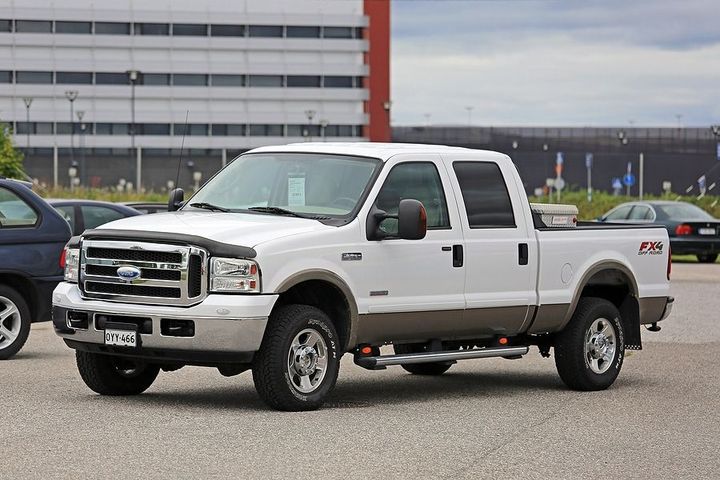
The concept exists to provide flexibility. Instead of owning a large vehicle that may not be needed daily, individuals and businesses can access one only when required. Rental fleets typically include light-duty, mid-size, and heavy-duty pickup trucks, allowing users to match the vehicle type with the task.
This model is part of a broader transportation ecosystem that emphasizes temporary usage over ownership. It aligns with trends such as shared mobility and resource optimization. Pickup truck rentals are often associated with key considerations like vehicle rental insurance, commercial vehicle rental agreements, and mileage policies, which help define how the service is used responsibly.
A typical rental process involves selecting a vehicle category, verifying eligibility (such as age and driving license), and agreeing to usage terms. The focus is on practicality, ensuring users can complete specific tasks efficiently without long-term commitments.
Why Pickup Truck Rentals Matter Today
Pickup truck rentals have become increasingly relevant due to changing lifestyles and economic patterns. Many individuals prefer not to invest in large vehicles that require ongoing maintenance, storage, and insurance. Instead, temporary access provides a more adaptable solution.
This approach benefits a wide range of users:
-
Individuals handling occasional tasks like moving or home improvement
-
Small businesses needing logistics support without fleet ownership
-
Contractors managing short-term projects
-
Event organizers requiring temporary transport solutions
One of the key problems this model solves is capacity mismatch. Personal vehicles often lack the space or durability needed for heavy-duty tasks. Renting a pickup truck bridges this gap efficiently.
Another important aspect is cost predictability. While ownership involves long-term expenses such as depreciation and maintenance, rentals allow users to manage expenses on a per-use basis. This aligns with financial planning strategies and supports better resource allocation.
Additionally, pickup truck rentals contribute to operational flexibility. Businesses can scale transportation capacity up or down depending on demand, reducing inefficiencies. This is particularly relevant in industries influenced by seasonal or project-based workloads.
From an environmental perspective, shared usage models may reduce the total number of vehicles required, indirectly supporting sustainability goals.
Recent Updates and Trends
The pickup truck rental landscape has seen notable developments over the past year, driven by technology and changing user expectations.
In 2025, several rental platforms introduced digital vehicle inspection systems, allowing users to document vehicle condition through mobile apps before and after use. This has improved transparency and reduced disputes.
Another trend is the integration of telematics and GPS tracking. These systems help monitor vehicle usage, mileage, and safety metrics in real time. They also support compliance with rental agreements and improve fleet management efficiency.
Electric and hybrid pickup trucks have started appearing in select rental fleets. While still limited, this shift reflects broader adoption of electric commercial vehicles. The transition is supported by advancements in battery technology and infrastructure expansion.
Contactless rental processes have also gained traction. Users can now complete identity verification, access vehicles, and manage contracts digitally. This trend aligns with the broader move toward automation and user convenience.
Data analytics is another area of growth. Rental companies are using predictive models to optimize fleet distribution and demand forecasting. This helps ensure availability during peak periods while minimizing idle resources.
These updates indicate a shift toward smarter, more efficient rental systems that prioritize user experience and operational transparency.
Laws and Policies Affecting Pickup Truck Rentals
Pickup truck rentals are influenced by a range of regulations that vary by region. These rules are designed to ensure safety, accountability, and fair usage.
Key regulatory areas include:
-
Driver eligibility requirements
Minimum age limits and valid driving licenses are mandatory. Some regions require additional verification for commercial usage.
-
Insurance coverage policies
Rental agreements typically include basic coverage, but users may need to understand terms related to liability, damage protection, and third-party claims.
-
Vehicle classification rules
Pickup trucks used for commercial purposes may fall under specific categories, affecting how they are regulated.
-
Road safety and compliance standards
Vehicles must meet safety requirements, including maintenance checks and emission standards.
-
Taxation and usage policies
Certain jurisdictions apply taxes or fees based on vehicle type, usage duration, or mileage.
Government programs promoting sustainable transportation may also influence rental fleets, especially with the introduction of electric vehicles. These policies can include incentives for low-emission vehicles or stricter regulations on fuel efficiency.
Understanding these rules helps users avoid penalties and ensures that rental usage aligns with legal requirements.
Tools and Resources for Pickup Truck Rentals
A variety of tools and resources can help users make informed decisions and manage rentals effectively.
Commonly used tools include:
-
Vehicle rental comparison platforms
These allow users to evaluate different truck categories, features, and availability.
-
Mileage calculators
Useful for estimating distance and understanding mileage limits within rental agreements.
-
Insurance coverage calculators
Help assess the level of protection needed based on usage type.
-
Route planning applications
Provide optimized routes, fuel efficiency insights, and traffic updates.
-
Digital inspection apps
Enable users to document vehicle condition with photos and timestamps.
Below is a simple comparison table highlighting key considerations:
| Feature | Light-Duty Trucks | Mid-Size Trucks | Heavy-Duty Trucks |
|---|
| Load Capacity | Low | Medium | High |
| Fuel Efficiency | High | Moderate | Lower |
| Maneuverability | Easy | Moderate | Limited |
| Typical Use Case | Small moves | Medium loads | Construction work |
Another helpful visual representation is the relationship between usage and vehicle type:
These tools and frameworks support better planning and reduce the likelihood of mismatched vehicle selection.
Frequently Asked Questions
What documents are required for pickup truck rentals?
Most rental providers require a valid driving license, identity verification, and a payment method. Additional documentation may be needed for commercial usage.
How does mileage policy work in rental agreements?
Mileage policies define the allowed distance during the rental period. Some agreements include unlimited mileage, while others set daily or total limits. Exceeding limits may lead to additional charges.
Is insurance included in pickup truck rentals?
Basic insurance coverage is often included, but the extent varies. Users should review terms related to liability, damage protection, and exclusions.
Can pickup trucks be used for commercial purposes?
Yes, but usage must comply with local regulations and rental agreement terms. Certain restrictions may apply depending on the vehicle classification.
What factors should be considered when choosing a pickup truck?
Key factors include load capacity, fuel efficiency, terrain requirements, and duration of use. Matching the vehicle type with the task ensures efficiency and safety.
Conclusion
Pickup truck rentals provide a practical solution for temporary transportation needs, bridging the gap between limited personal vehicle capacity and the demands of specific tasks. They support flexibility, efficiency, and resource optimization across both individual and business use cases.
With advancements in technology, evolving regulations, and the introduction of new vehicle types, the rental ecosystem continues to adapt to modern requirements. Understanding insurance policies, mileage rules, and available tools can help users navigate this space effectively.
By focusing on informed decision-making and compliance with relevant guidelines, pickup truck rentals can serve as a reliable and efficient component of today’s mobility landscape.