Explore Luxury Real Estate Properties: Overview, Facts, Tips, Knowledge & Smart Investment Insights
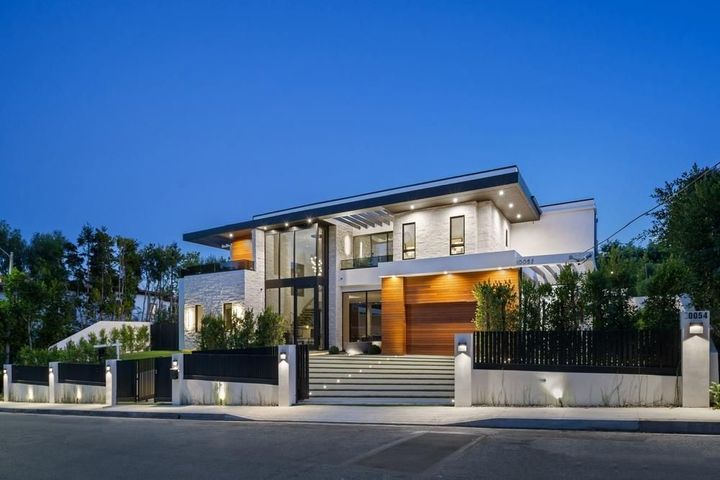
Luxury real estate refers to high-value residential and mixed-use properties distinguished by location, design, amenities, exclusivity, and long-term asset stability. These properties often include waterfront villas, penthouses, gated estates, branded residences, and architect-designed homes in prime urban or resort destinations.
The concept exists because a segment of the market prioritizes premium living standards, privacy, advanced infrastructure, and prestige-oriented assets. Over time, luxury property has evolved beyond aesthetics to include smart home technology, sustainability features, and integrated lifestyle services.
From an informational standpoint, luxury real estate is closely linked with high-value investment strategies, property portfolio diversification, wealth preservation, and global real estate markets.
Importance: Why Luxury Real Estate Matters Today
Luxury real estate plays a significant role in modern financial ecosystems and urban development. It affects multiple groups including investors, developers, policymakers, and high-income individuals seeking asset stability.
Key reasons this topic matters today include:
-
Wealth diversification strategies
High-value properties are often considered part of diversified asset allocation alongside equities, bonds, and alternative investments. -
Global mobility and second-home trends
Many individuals maintain residences across multiple countries, increasing demand for premium housing in global cities and resort locations. -
Inflation hedge potential
Real estate, especially in prime locations, is often studied for its ability to retain value over time compared to volatile financial instruments. -
Urban development influence
Luxury projects can shape infrastructure growth, transportation systems, and commercial ecosystems. -
Digital transformation in property markets
The rise of virtual property tours, blockchain-based records, and AI-driven valuation models has changed how high-value properties are analyzed.
Below is a simple comparison table showing how luxury real estate differs from standard residential property:
| Feature | Standard Property | Luxury Property |
|---|---|---|
| Location | Suburban/Urban | Prime/Exclusive Zones |
| Amenities | Basic | Premium & Smart Features |
| Price Volatility | Moderate | Often Market-Resilient |
| Buyer Profile | General Population | High-Net-Worth Individuals |
| Investment Perspective | Short to Mid-Term | Long-Term Wealth Strategy |
Recent Updates: Trends and Developments (2025–2026)
The luxury real estate sector has seen notable shifts over the past year, influenced by global economic conditions, technology, and lifestyle changes.
-
2025: Rise of branded residences
Collaborations between real estate developers and global hospitality brands expanded significantly. These properties offer hotel-style services within private residences. -
Late 2025: Increased demand for sustainable luxury
Eco-friendly architecture, energy-efficient systems, and green certifications became more prominent in premium housing developments. -
Early 2026: Growth of digital property platforms
Advanced tools using artificial intelligence and data analytics are now used for property valuation, market forecasting, and virtual walkthroughs. -
Remote work lifestyle impact
Continued flexibility in work environments has increased demand for larger homes, private workspaces, and properties in scenic or less crowded areas. -
Cross-border investment patterns
Regulatory clarity in several regions has encouraged international interest in premium real estate markets.
A simplified trend graph representation:
Luxury Property Demand Trend (2024–2026)

2024  | ████████
2025  | ████████████
2026  | ████████████████
This reflects a steady increase in global interest, especially in premium urban and resort-based properties.
Laws or Policies: Regulatory Considerations
Luxury real estate is influenced by various legal frameworks and government policies that differ across countries but share common themes.
-
Property ownership regulations
Rules may define who can own property, especially for foreign investors or non-residents. -
Taxation frameworks
High-value properties are often subject to property taxes, capital gains regulations, and wealth-related disclosures. -
Zoning and land use policies
These determine where luxury developments can be built and what type of construction is permitted. -
Environmental and sustainability standards
Many regions now require compliance with green building codes and energy efficiency benchmarks. -
Transparency and anti-money laundering (AML) rules
Governments have increased scrutiny on high-value transactions to ensure compliance with financial regulations. -
Real estate registration and digital records
Some jurisdictions have introduced blockchain-based property registries to improve transparency and reduce fraud.
Understanding these policies is essential for anyone analyzing luxury real estate as part of an investment or research strategy.
Tools and Resources: Helpful Platforms and Insights
Several digital tools and informational resources can assist in understanding luxury real estate trends, valuation, and market dynamics.
-
Property valuation platforms
-
Automated valuation models (AVMs)
-
AI-based pricing insights
-
Comparative market analysis dashboards
-
-
Market research websites
-
Global real estate reports
-
Property trend analytics platforms
-
Economic outlook dashboards
-
-
Financial planning tools
-
Real estate ROI calculators
-
Portfolio diversification tools
-
Risk assessment frameworks
-
-
Technology-driven solutions
-
Virtual reality (VR) property tours
-
Geographic Information System (GIS) mapping
-
Blockchain-based property records
-
-
Documentation templates
-
Property evaluation checklists
-
Legal due diligence frameworks
-
Asset performance tracking sheets
-
These tools are widely used for research, planning, and analysis rather than transactional purposes.
FAQs: Common Questions About Luxury Real Estate
What defines a luxury real estate property?
Luxury real estate is defined by factors such as prime location, high-end design, exclusive amenities, privacy, and strong long-term value potential rather than just price.
Is luxury real estate considered a stable investment?
It is often studied for long-term stability, but like all assets, it can be influenced by economic cycles, interest rates, and global market conditions.
How does location impact luxury property value?
Location is one of the most critical factors. Properties in prime urban centers, coastal regions, or exclusive communities typically maintain stronger value trends.
What are key risks associated with luxury real estate?
Potential risks include market fluctuations, regulatory changes, liquidity constraints, and maintenance complexities associated with high-end properties.
Are digital tools important in luxury real estate analysis?
Yes, modern tools such as AI-driven valuation systems, virtual tours, and data analytics platforms play a significant role in understanding property trends and performance.
Conclusion
Luxury real estate represents a specialized segment of the global property market, combining lifestyle preferences with financial strategy. It exists to meet the demand for premium living environments while also serving as a component of long-term asset allocation.
In recent years, the sector has evolved through technological innovation, sustainability initiatives, and changing lifestyle patterns. Regulatory frameworks continue to shape how properties are developed, owned, and analyzed, making it important to stay informed about policies and compliance requirements.
For general audiences, understanding luxury real estate is less about transactions and more about knowledge—how markets function, what influences value, and how trends evolve over time. With the support of modern tools and reliable data sources, it is possible to gain clear insights into this high-value segment without relying on promotional or sales-driven information.