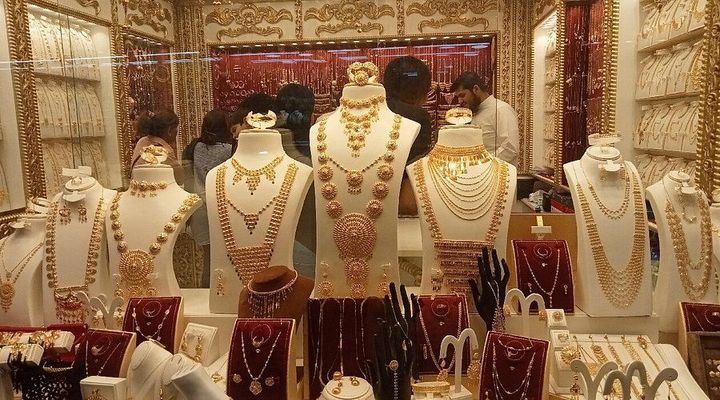
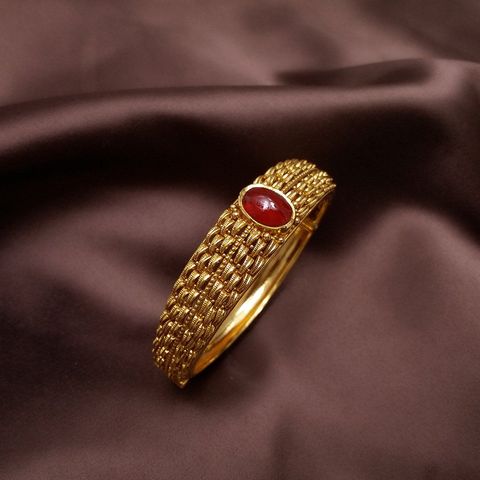
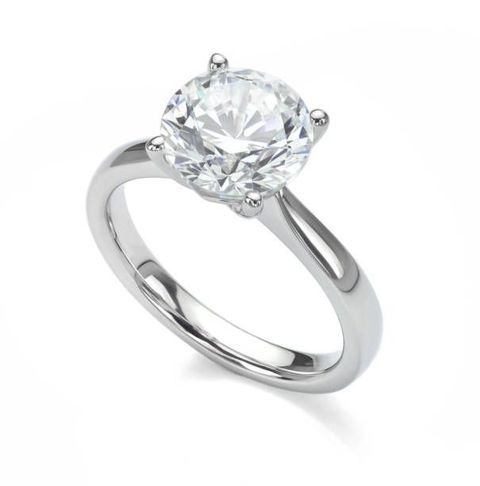
Gold jewelry is typically categorized by purity levels such as 24K, 22K, and 18K, each indicating the proportion of gold relative to other metals. Lower karat levels often improve durability, while higher karats emphasize purity and intrinsic value. Luxury pieces often combine high purity with exceptional design, making them distinct from everyday jewelry.
This category includes items such as necklaces, bracelets, rings, earrings, and bespoke collections. Many designs reflect heritage, artistry, and evolving fashion preferences, creating a balance between tradition and modern expression. The purpose extends beyond decoration, often symbolizing status, personal milestones, or generational wealth preservation.
Why Luxury Gold Jewelry Matters Today
Luxury gold jewelry continues to hold relevance in modern markets due to its combination of emotional, cultural, and financial significance. It appeals to individuals seeking long-term value stability alongside aesthetic appeal.
Key reasons for its importance include:
-
Wealth Preservation: Gold is widely recognized as a stable asset that retains value over time, especially during economic uncertainty.
-
Cultural Significance: Jewelry plays an essential role in ceremonies, traditions, and personal milestones across many societies.
-
Portfolio Diversification: Investors often consider gold jewelry as part of broader asset diversification strategies.
-
Craftsmanship and Artistry: High-end jewelry showcases advanced techniques, skilled craftsmanship, and unique designs.
The sector also impacts multiple industries, including mining, design, retail, and global trade. It addresses challenges such as inflation hedging and asset diversification while also raising considerations around ethical sourcing and sustainability.
Below is a simple comparison of gold purity levels and their characteristics:
| Gold Purity | Gold Content (%) | Durability | Common Use |
|---|
| 24K | 99.9% | Low | Investment pieces, ceremonial jewelry |
| 22K | 91.6% | Medium | Traditional jewelry |
| 18K | 75% | High | Luxury and designer jewelry |
| 14K | 58.3% | Very High | Everyday wear |
Recent Developments and Trends
The luxury gold jewelry market has experienced notable developments over the past year, driven by technology, sustainability, and shifting consumer preferences.
-
2025 Sustainability Focus: Increased emphasis on ethically sourced gold and responsible mining practices. Certification systems and traceability technologies have gained traction.
-
Digital Transformation (2025–2026): Virtual try-on tools using augmented reality have become more common, enhancing customer experience and accessibility.
-
Rising Demand for Minimalist Designs (2025): Consumers are showing preference for lightweight, versatile jewelry that can be worn daily.
-
Integration of Smart Features (Late 2025): Some luxury brands have experimented with embedding technology into jewelry, such as health tracking components.
-
Customization Growth (2026): Personalized designs and made-to-order jewelry have seen increased demand, reflecting individual identity and exclusivity.
A simplified trend comparison is shown below:
| Trend Category | Growth Direction | Key Insight |
|---|
| Sustainable Gold | Increasing | Focus on ethical sourcing |
| Digital Try-On | Rapid Growth | Enhances online experience |
| Minimalist Jewelry | Steady Growth | Everyday usability |
| Custom Designs | Increasing | Personalization demand |
| Smart Jewelry | Emerging | Technology integration |
These changes indicate a shift toward transparency, personalization, and innovation within the industry.
Regulations and Policy Considerations
Luxury gold jewelry is influenced by a range of regulations and policies designed to ensure quality, authenticity, and ethical practices.
-
Hallmarking Standards: Governments and regulatory bodies often require gold jewelry to be certified for purity through hallmarking systems. This ensures transparency and consumer trust.
-
Import and Export Regulations: Gold trade is subject to customs duties, documentation requirements, and international trade agreements.
-
Anti-Money Laundering (AML) Policies: Jewelry transactions, especially high-value ones, are monitored under financial regulations to prevent illicit activities.
-
Environmental and Ethical Guidelines: Increasing regulatory focus on responsible mining practices and sustainable sourcing of gold.
-
Consumer Protection Laws: Policies ensure accurate labeling, fair pricing practices, and dispute resolution mechanisms.
These regulations help maintain market integrity and protect both consumers and industry stakeholders.Useful Tools and Resources for Understanding Gold Jewelry
A range of digital tools and resources can help individuals better understand luxury gold jewelry and make informed decisions.
-
Gold Price Tracking Platforms: Websites that provide real-time gold price updates and historical trends.
-
Purity Calculators: Tools that calculate gold value based on karat and weight.
-
Augmented Reality Apps: Mobile applications that allow virtual try-ons for jewelry visualization.
-
Certification Databases: Platforms where users can verify hallmark authenticity and certification details.
-
Design Software: Tools used by professionals to create and visualize custom jewelry designs.
Common types of resources include:
-
Financial data platforms
-
Educational jewelry blogs and guides
-
Industry reports and analytics tools
-
Online jewelry design simulators
These resources contribute to transparency, education, and improved decision-making.Frequently Asked Questions
What defines luxury gold jewelry?
Luxury gold jewelry is characterized by high-quality materials, superior craftsmanship, unique designs, and often higher gold purity levels.
How is gold purity measured?
Gold purity is measured in karats (K), with 24K representing pure gold. Lower karat values indicate the presence of other metals for added strength.
Why is hallmarking important?
Hallmarking certifies the purity of gold and ensures authenticity, providing confidence in the quality of the jewelry.
What factors influence gold jewelry value?
Value is influenced by gold purity, weight, craftsmanship, design complexity, and market gold prices.
Is gold jewelry considered a long-term asset?
Gold jewelry is often viewed as a stable asset due to gold’s historical ability to retain value over time.Conclusion
Luxury gold jewelry continues to hold a unique position at the intersection of culture, craftsmanship, and financial stability. Its enduring appeal lies in its ability to combine aesthetic beauty with intrinsic value. As the industry evolves, trends such as sustainability, digital innovation, and personalization are shaping its future direction.
Understanding gold purity, regulatory frameworks, and available tools can help individuals navigate this complex space with clarity. While market conditions and preferences may change, the foundational significance of gold jewelry remains consistent.
By staying informed about recent developments and using reliable resources, individuals can develop a deeper appreciation and knowledge of luxury gold jewelry without relying on promotional or sales-driven perspectives.