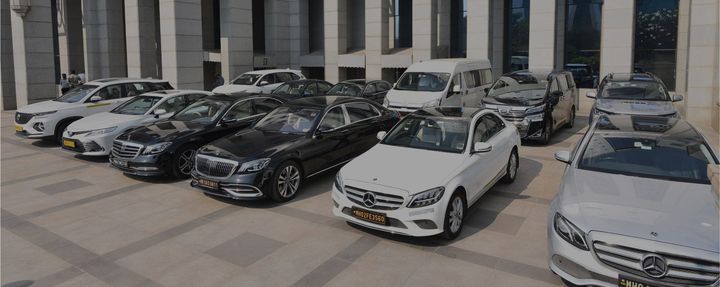
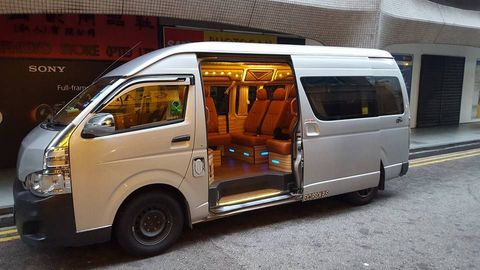
Unlike standard vehicle rentals, luxury options focus on enhanced comfort, advanced technology, and superior performance. These vehicles often include brands known for engineering excellence, refined interiors, and innovative safety systems.
The demand for luxury rentals has grown due to changing consumer preferences. Many individuals now prioritize access over ownership, especially for high-value assets. This approach allows people to experience premium vehicles without long-term financial or maintenance responsibilities.
Luxury car rental also aligns with modern mobility trends, where convenience, customization, and digital booking systems play a major role. Users can select specific models, durations, and features depending on their requirements.
Why Luxury Car Rental Matters Today
Luxury car rental has become increasingly relevant in today’s fast-moving and experience-driven environment. It serves a wide range of users, including business professionals, travelers, event planners, and automotive enthusiasts.
Key reasons for its importance include:
-
Flexible Mobility Solutions: Provides access to high-end vehicles without long-term commitments
-
Professional Image: Often used in corporate settings where presentation and comfort matter
-
Special Occasions: Suitable for weddings, events, and milestone celebrations
-
Travel Convenience: Enhances travel experiences with comfort and advanced features
-
Technology Exposure: Allows users to experience the latest automotive innovations
The model also addresses several challenges:
-
Avoids depreciation concerns associated with ownership
-
Eliminates long-term maintenance responsibilities
-
Reduces the need for large upfront investments
From an economic perspective, luxury rentals contribute to the broader mobility and tourism ecosystem. They support industries such as hospitality, events, and transportation services.
Recent Trends and Industry Developments
The luxury car rental industry has seen several notable changes over the past year, driven by technology, sustainability, and evolving user expectations.
Key developments observed in 2025–2026 include:
-
Growth of Electric Luxury Vehicles (2025):
Many providers have expanded fleets to include electric luxury models, reflecting global sustainability goals and consumer interest in eco-friendly transportation.
-
Digital Booking Platforms (2025):
Advanced mobile apps and web platforms now offer real-time availability, digital documentation, and seamless booking experiences.
-
Subscription-Based Access (Early 2026):
Some companies have introduced flexible subscription models, allowing users to switch between different luxury vehicles over time.
-
Enhanced Safety and Telematics (2025):
Vehicles increasingly include tracking systems, driver monitoring tools, and advanced safety features.
-
Personalization and AI Integration (2026):
Artificial intelligence is being used to recommend vehicles based on user preferences, travel history, and behavior patterns.
Trend Overview Table
| Trend | Description | Impact on Users |
|---|
| Electric luxury fleets | Inclusion of EV models | Lower emissions, modern experience |
| Digital booking systems | App-based reservations | Faster and more convenient access |
| Subscription mobility models | Flexible vehicle access | Greater choice and adaptability |
| AI-based recommendations | Personalized vehicle suggestions | Improved user experience |
These trends indicate a shift toward smarter, more sustainable, and user-centric mobility solutions.
Laws, Regulations, and Policy Considerations
Luxury car rental is subject to various legal and regulatory frameworks that differ depending on the country or region. These rules ensure safety, accountability, and fair usage.
Common regulatory aspects include:
-
Driver Eligibility Requirements:
Minimum age limits and valid driving licenses are typically required. Some regions may require international driving permits for foreign users.
-
Insurance Regulations:
Vehicles must comply with mandatory insurance policies, including liability coverage and, in some cases, comprehensive protection.
-
Security Deposits and Documentation:
Identity verification and financial security measures are standard practices to reduce risk.
-
Traffic and Road Safety Laws:
Users must adhere to local driving laws, speed limits, and safety guidelines.
-
Environmental Policies:
Increasing regulations encourage the adoption of low-emission vehicles, influencing fleet composition.
Example Policy Areas
| Policy Type | Purpose |
|---|
| Insurance compliance | Protects against financial liability |
| Licensing rules | Ensures qualified drivers |
| Environmental laws | Promotes sustainable vehicle usage |
| Data privacy policies | Protects user information in digital apps |
Understanding these regulations is essential for compliance and safe usage.
Useful Tools and Resources
Several tools and platforms help users navigate luxury car rental efficiently. These resources improve decision-making, planning, and overall experience.
Common tools include:
-
Vehicle Comparison Platforms:
Allow users to compare features such as engine performance, fuel type, and comfort levels
-
Insurance Calculators:
Help estimate coverage requirements and understand liability scenarios
-
Navigation and Mapping Apps:
Provide real-time traffic updates and route optimization
-
Digital Documentation Apps:
Store licenses, agreements, and identification securely
-
Fleet Management Systems:
Used by providers to track vehicles, monitor usage, and ensure maintenance
Sample Tool Comparison
| Tool Type | Function | Benefit |
|---|
| Comparison platforms | Analyze vehicle features | Better decision-making |
| Insurance calculators | Estimate coverage needs | Improved financial clarity |
| Navigation apps | Optimize routes | Time efficiency |
| Digital document apps | Store important files | Easy access and security |
These tools contribute to a smoother and more informed rental experience.
Frequently Asked Questions
What documents are typically required for luxury car rental?
Most providers require a valid driving license, identity proof, and a payment method. Additional verification may be needed depending on local regulations.
Is insurance included in luxury car rental agreements?
Insurance is usually part of the agreement, but the type and extent of coverage can vary. It is important to review the terms carefully.
Are there age restrictions for renting luxury vehicles?
Yes, many providers have minimum age requirements, often higher than standard rentals due to the value of the vehicles.
Can luxury cars be used for long-distance travel?
Yes, but usage policies may include mileage limits or specific conditions. Always check the agreement details.
What factors influence the choice of a luxury rental vehicle?
Key factors include purpose of use, passenger capacity, comfort features, fuel type, and driving preferences.
Conclusion
Luxury car rental has evolved into a sophisticated mobility solution that balances flexibility, comfort, and technological advancement. It serves a diverse audience by providing access to premium vehicles without the long-term responsibilities of ownership.
Recent developments such as electric vehicle adoption, AI-driven personalization, and digital booking systems highlight the industry’s rapid transformation. At the same time, regulatory frameworks ensure safety, accountability, and environmental responsibility.
By understanding the key aspects—ranging from legal requirements to available tools—users can make informed decisions and navigate the luxury car rental landscape effectively.